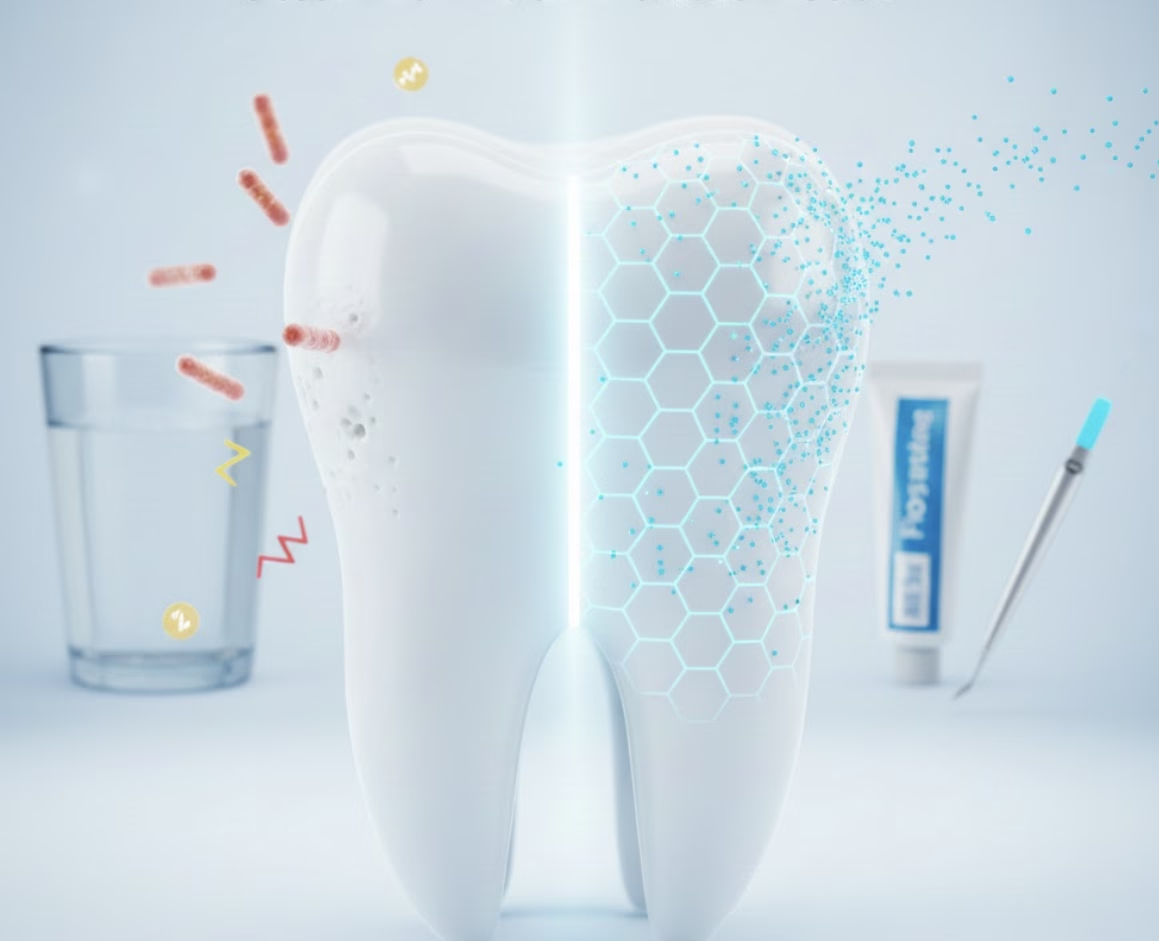
What fluoride actually does
Fluoride is a naturally occurring mineral found in water, foods and dental products. It protects your teeth by:
- strengthening enamel
- making teeth more resistant to acid attacks
- slowing demineralisation
- helping reverse early decay
Fluoride reduces cavity risk by around 25% according to clinical evidence .
How fluoride protects your teeth
1. Remineralises enamel
Fluoride helps redeposit minerals like calcium and phosphate back into weakened enamel, repairing early damage.
2. Makes enamel more acid‑resistant
It hardens the outer layer of your teeth, making them less vulnerable to plaque acids.
3. Slows bacterial activity
Fluoride disrupts acid‑producing bacteria that cause cavities.
4. Helps both children and adults
Children benefit during tooth development, but adults also benefit from topical fluoride in toothpaste, mouthwash and varnish.
Types of fluoride you may use
Fluoride toothpaste
Most toothpastes contain 1000–1500 ppm fluoride, which is proven to prevent decay.
Fluoride mouthwash
Useful for people at higher risk of cavities.
Fluoride varnish
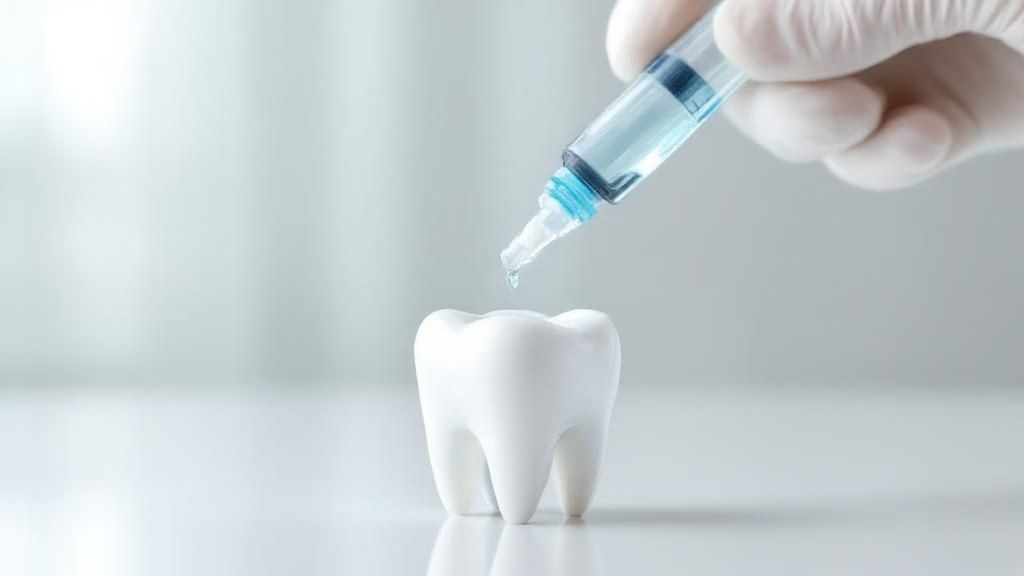
Applied by dentists to strengthen enamel and reduce decay risk.
Fluoridated water
Helps reduce tooth decay at a community level.
Benefits of fluoride
Fluoride Myths vs Facts
Myth 1: Fluoride is unsafe
Fact: Fluoride is safe at recommended levels and is one of the most effective ways to prevent cavities.
Myth 2: Fluoride is only for children
Fact: Adults benefit from fluoride just as much — especially those with dry mouth, gum disease or a history of decay.
Myth 3: Natural toothpaste without fluoride is better
Fact: Toothpaste without fluoride does not protect against cavities. Many “natural” toothpastes contain no fluoride at all.
Myth 4: Fluoride causes major health problems
Fact: Reviews show no convincing evidence linking fluoride at normal levels to serious health issues.
Cons and risks of fluoride
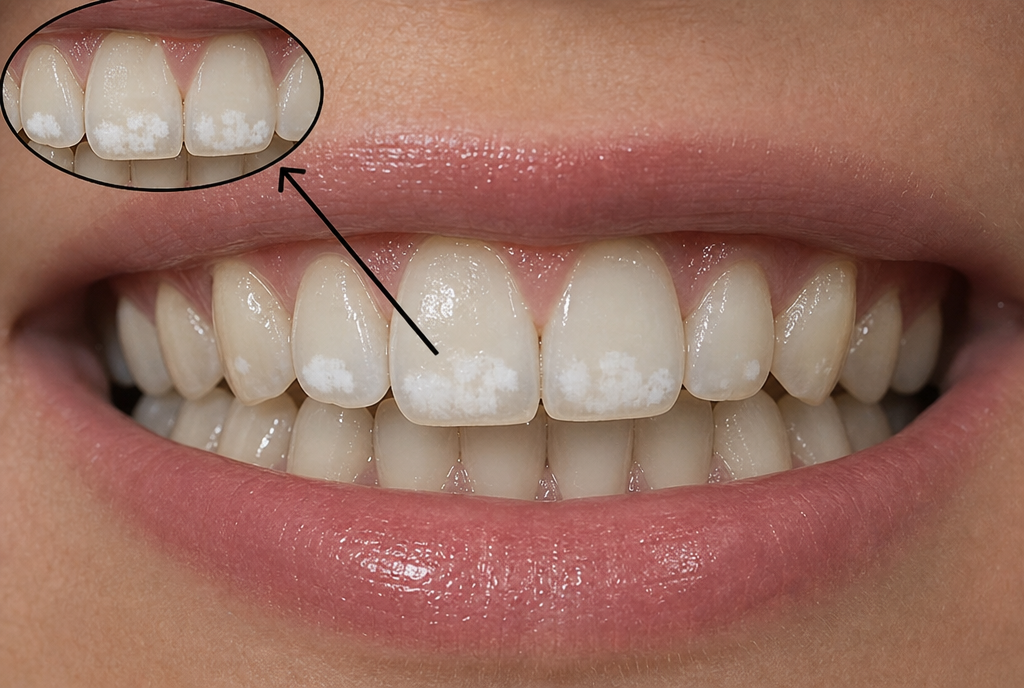
1. Dental fluorosis (mostly cosmetic)
Occurs when children ingest too much fluoride while teeth are developing.Usually appears as faint white streaks and is not harmful.
2. Overexposure from natural water sources
Some regions worldwide have naturally high fluoride levels, which can cause fluorosis or skeletal issues.
3. Excessive use of supplements
Fluoride tablets should only be used when prescribed.
4. Silver diamine fluoride aesthetic drawback
Highly effective at stopping decay but can darken the treated area.
How to use fluoride safely
Brush twice daily with fluoride toothpaste
Use 1000–1500 ppm fluoride toothpaste for best protection.
Don’t rinse after brushing
Rinsing washes fluoride away.
Supervise children’s brushing
Use a smear for under‑3s and a pea‑sized amount for ages 3–6.
Use fluoride mouthwash at a different time to brushing
Prevents washing away toothpaste fluoride.
How the Toothfairy Wand supports fluoride benefits
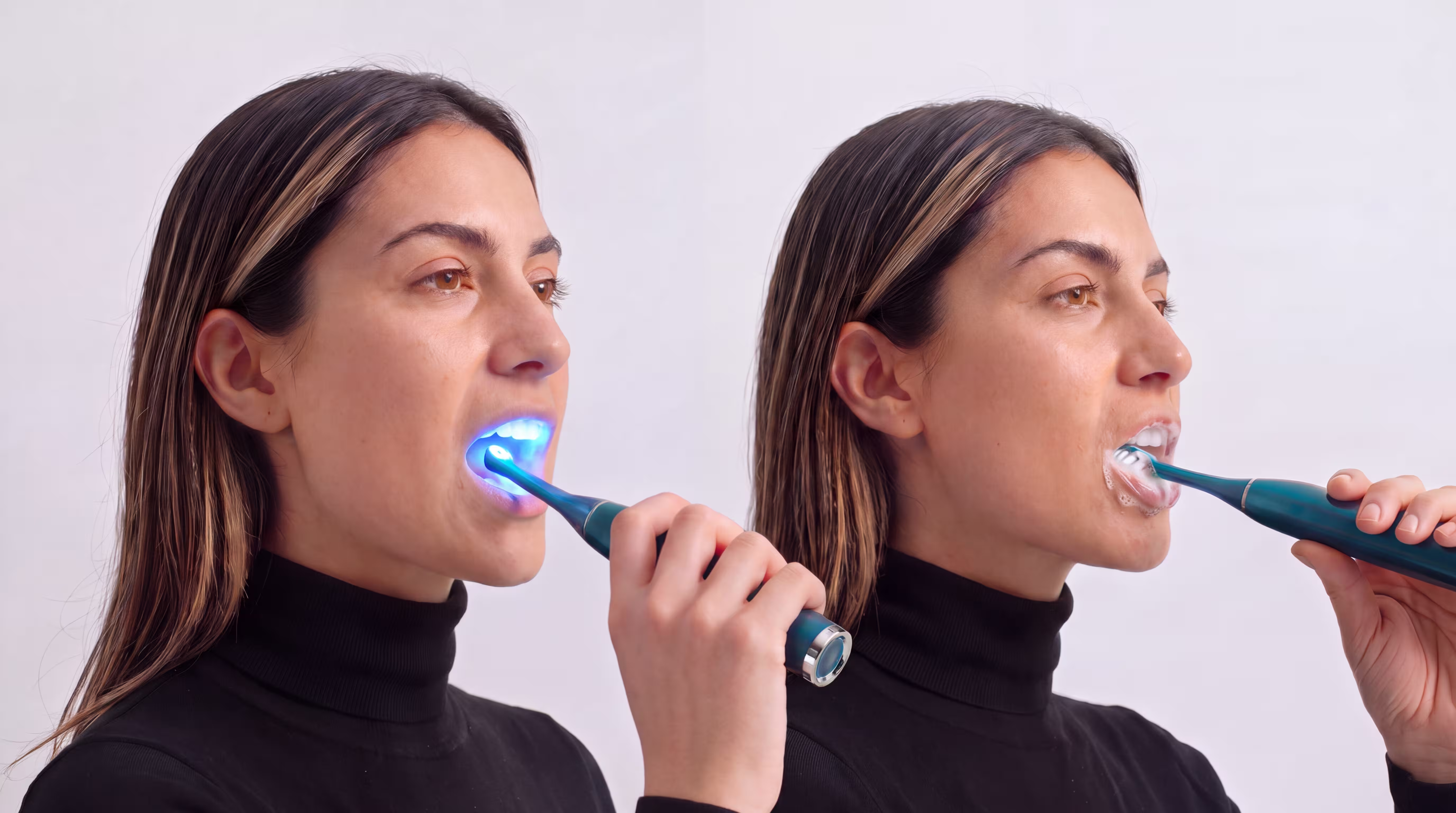
The Toothfairy Wand enhances fluoride protection by:
- improving plaque removal
- cleaning along the gumline with Reflex Tech bristles
- helping fluoride stay on the teeth longer
- supporting brushing consistency with smart app guidance
Better brushing = better fluoride effectiveness.
How Toothfairy helps with fluoride‑related concerns
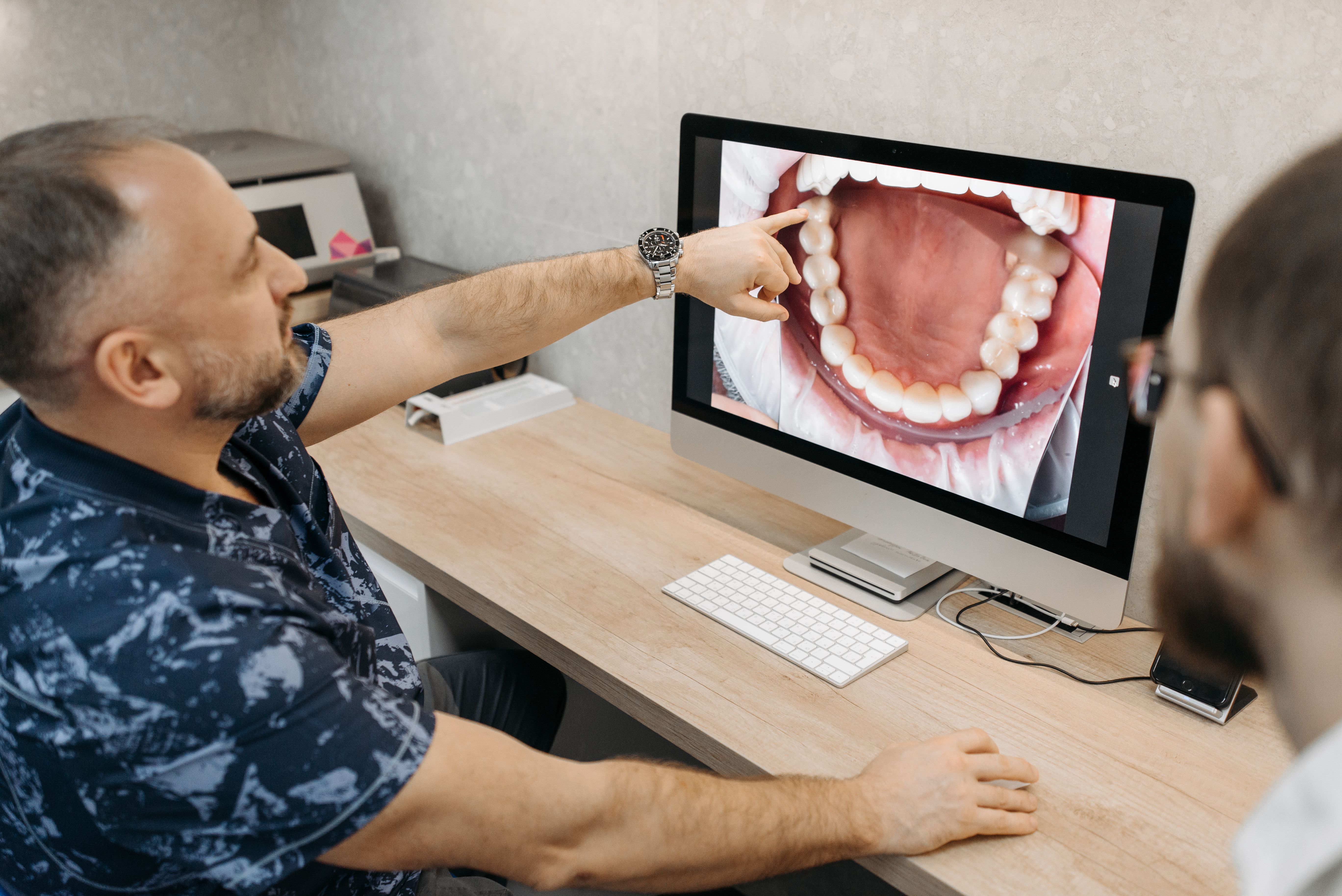
Photo‑based assessments
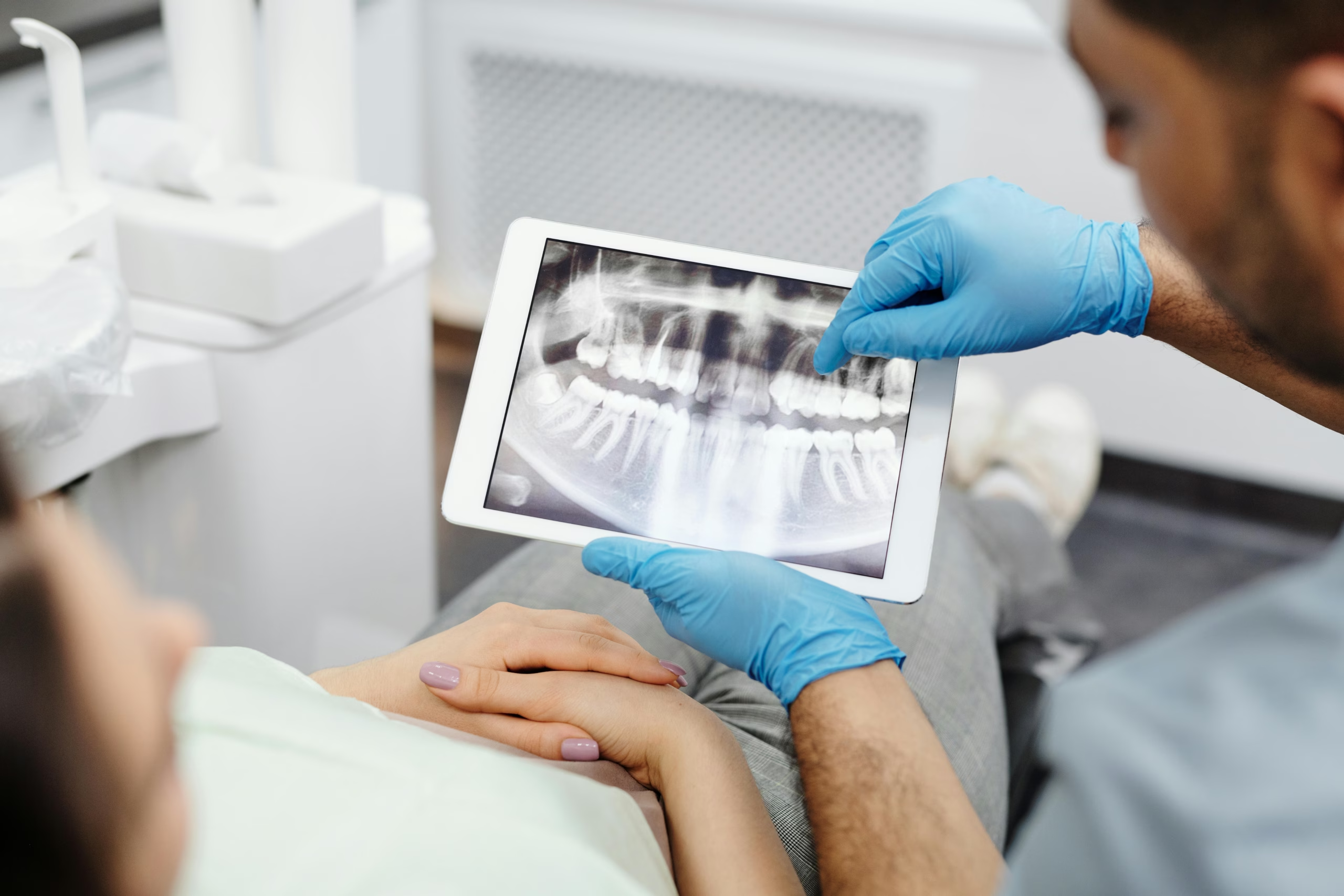
Upload images to check for fluorosis, plaque or enamel changes.
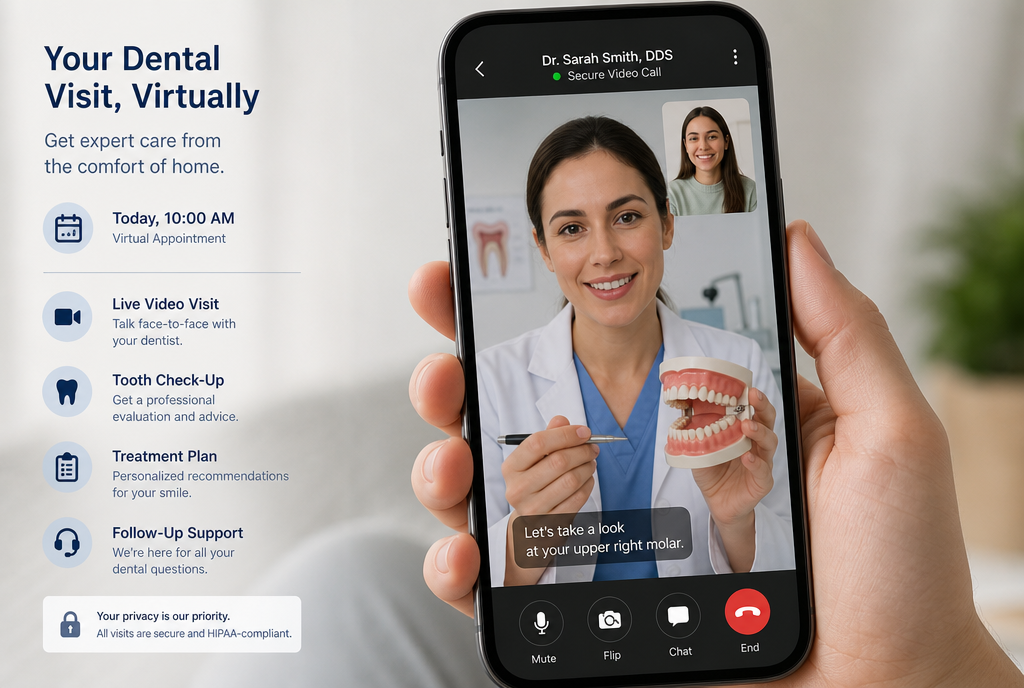
Dentist‑led advice
Get personalised guidance on fluoride use for your teeth.
Support for sensitivity and decay
Dentists can recommend fluoride varnish or higher‑strength toothpaste if needed.
Clear next steps
Know whether you can manage the issue at home or need a clinic visit.















.jpg)





.jpg)















.jpg)