What gum recession actually is
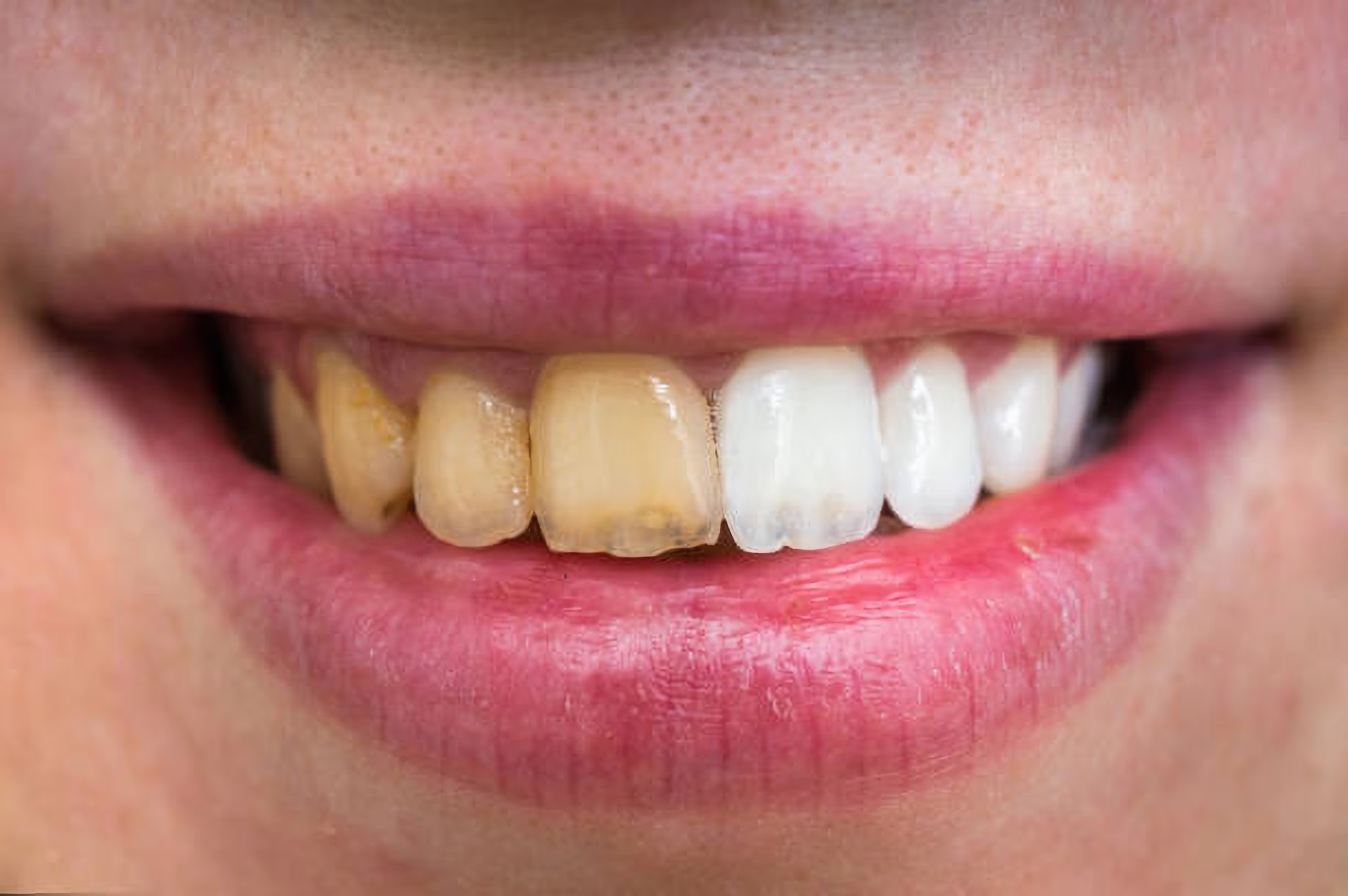
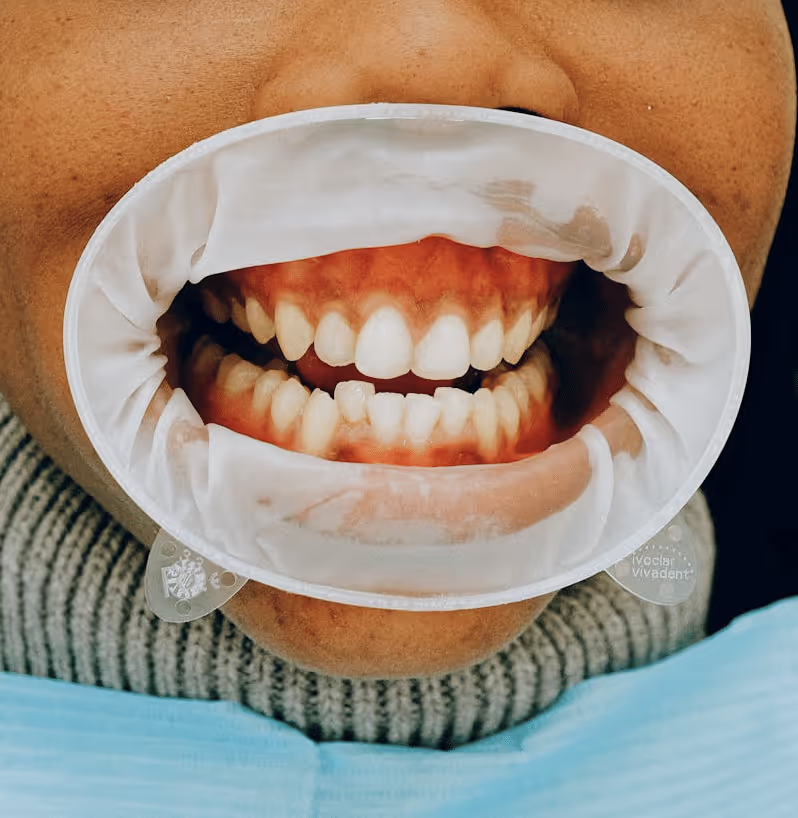
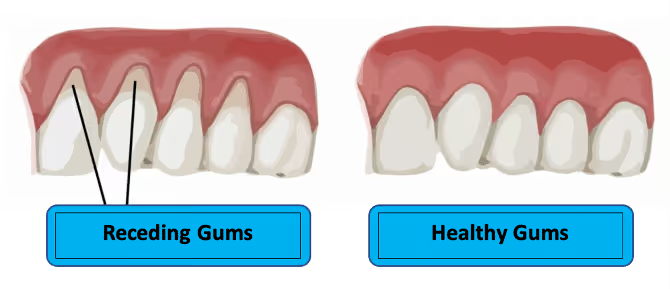
Gum recession occurs when the gum tissue gradually wears away or pulls back, exposing the roots of your teeth. It’s a slow process, often happening over months or years, and is usually linked to irritation, inflammation or long‑term habits.
Healthy gums should sit snugly around your teeth. When they recede, the roots become more vulnerable to sensitivity, decay and gum disease.
Common causes of receding gums
1. Gum disease (gingivitis or periodontitis)
Inflammation caused by plaque buildup is the most common reason gums recede. As gum disease progresses, the tissue supporting your teeth weakens and pulls back.
2. Brushing too hard
Aggressive brushing can wear away gum tissue over time.
3. Poor brushing or flossing habits
Missing areas allows plaque to build up, irritating the gums.
4. Smoking or vaping
Reduces blood flow to the gums and increases inflammation.
5. Teeth grinding or clenching
Excess pressure can cause gums to recede.
6. Misaligned teeth
Crowding or bite issues can place uneven pressure on the gums.
7. Genetics
Some people naturally have thinner gum tissue.
Early signs of gum recession
Sensitivity to hot or cold
Exposed roots react more strongly to temperature changes.
Longer‑looking teeth
A visible sign that the gumline has moved.
Small gaps at the gumline
Food may get trapped more easily.
Bleeding when brushing or flossing
Often linked to inflammation or early gum disease.
Red or swollen gums
A sign that the tissue is irritated.
What causes gum disease
How to prevent gum recession and gum disease
Brush gently twice a day
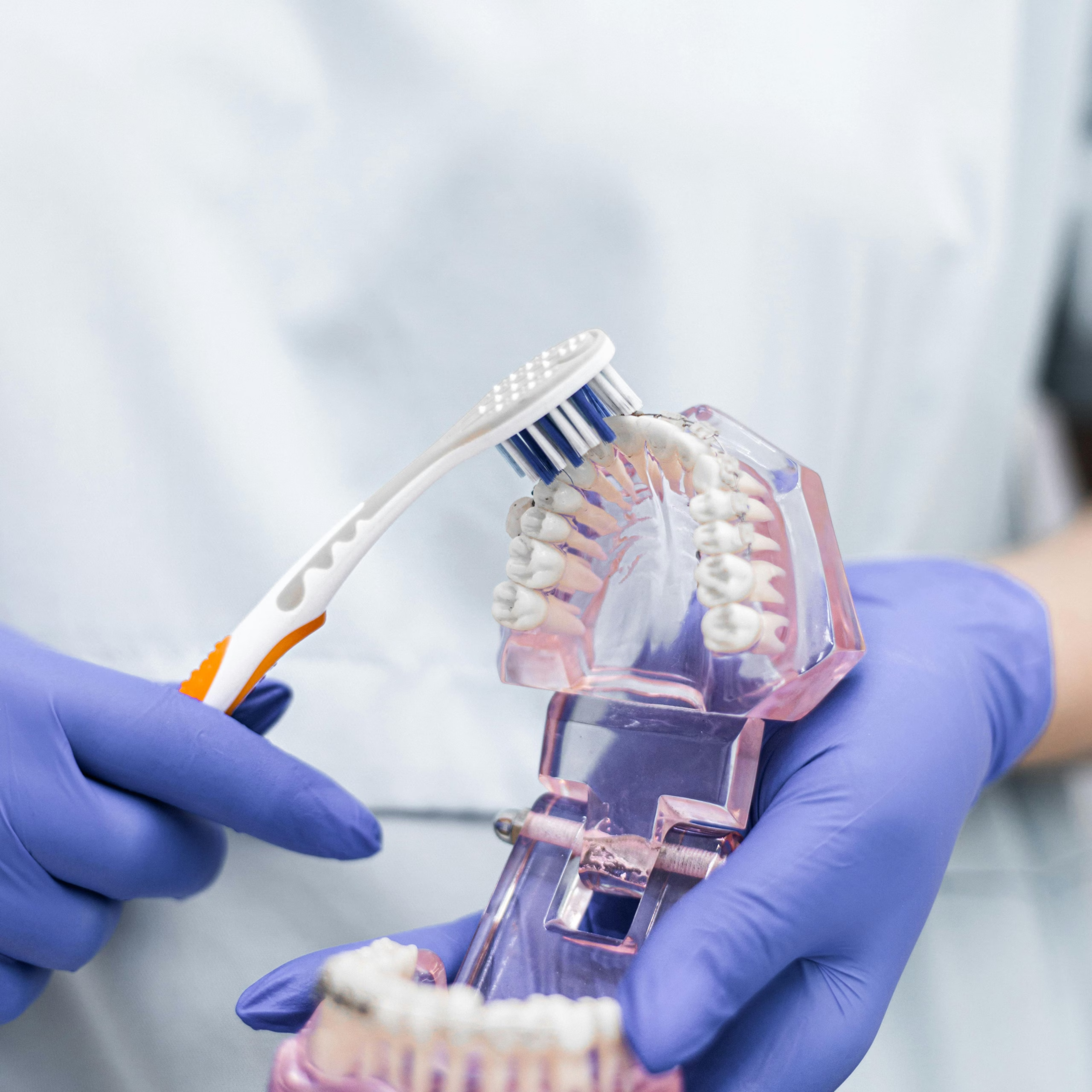
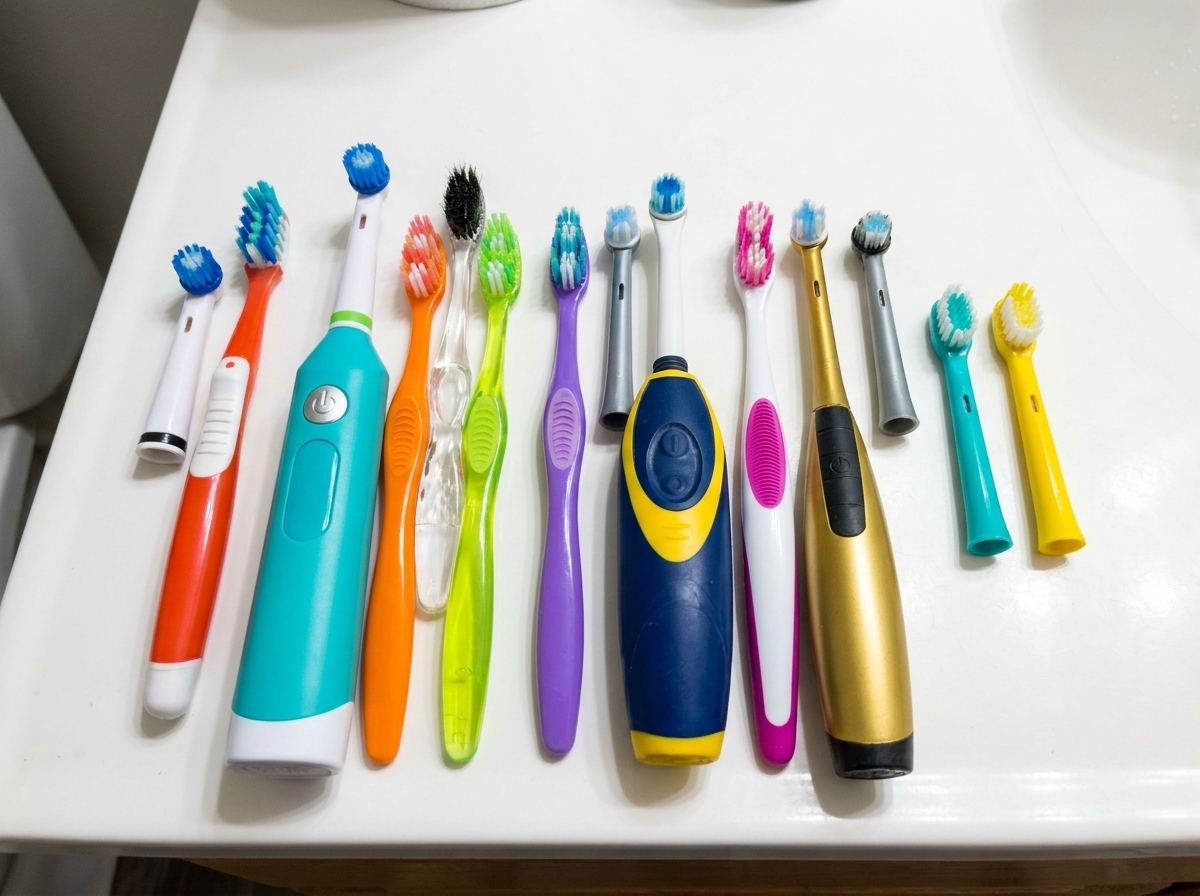
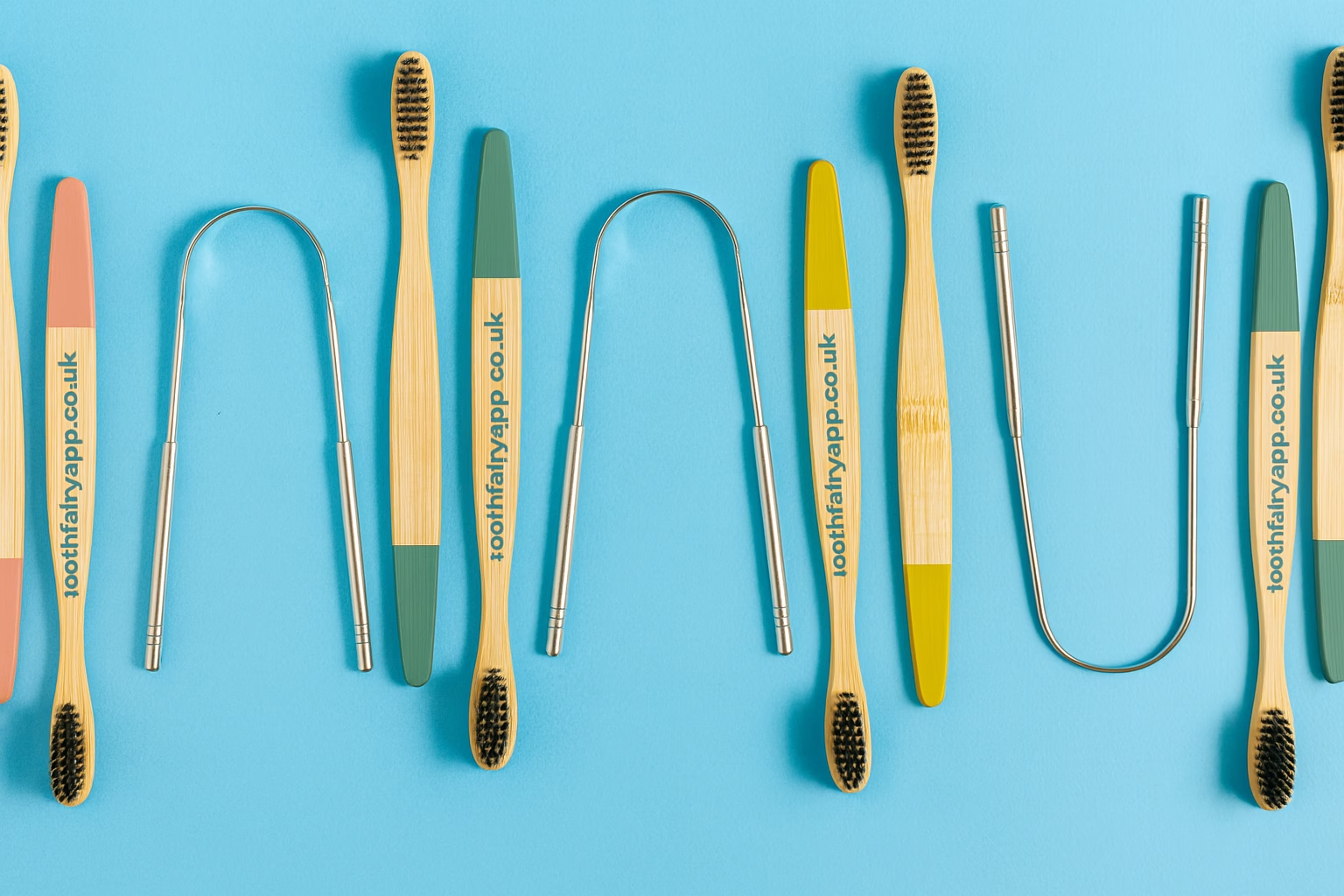
Use a soft‑bristle toothbrush and avoid scrubbing too hard.
Floss daily
Removes plaque from areas your toothbrush can’t reach.
Use an anti‑inflammatory mouthwash
Helps calm irritated gums.
Stop smoking or vaping
Improves gum health and reduces inflammation.
Manage grinding or clenching
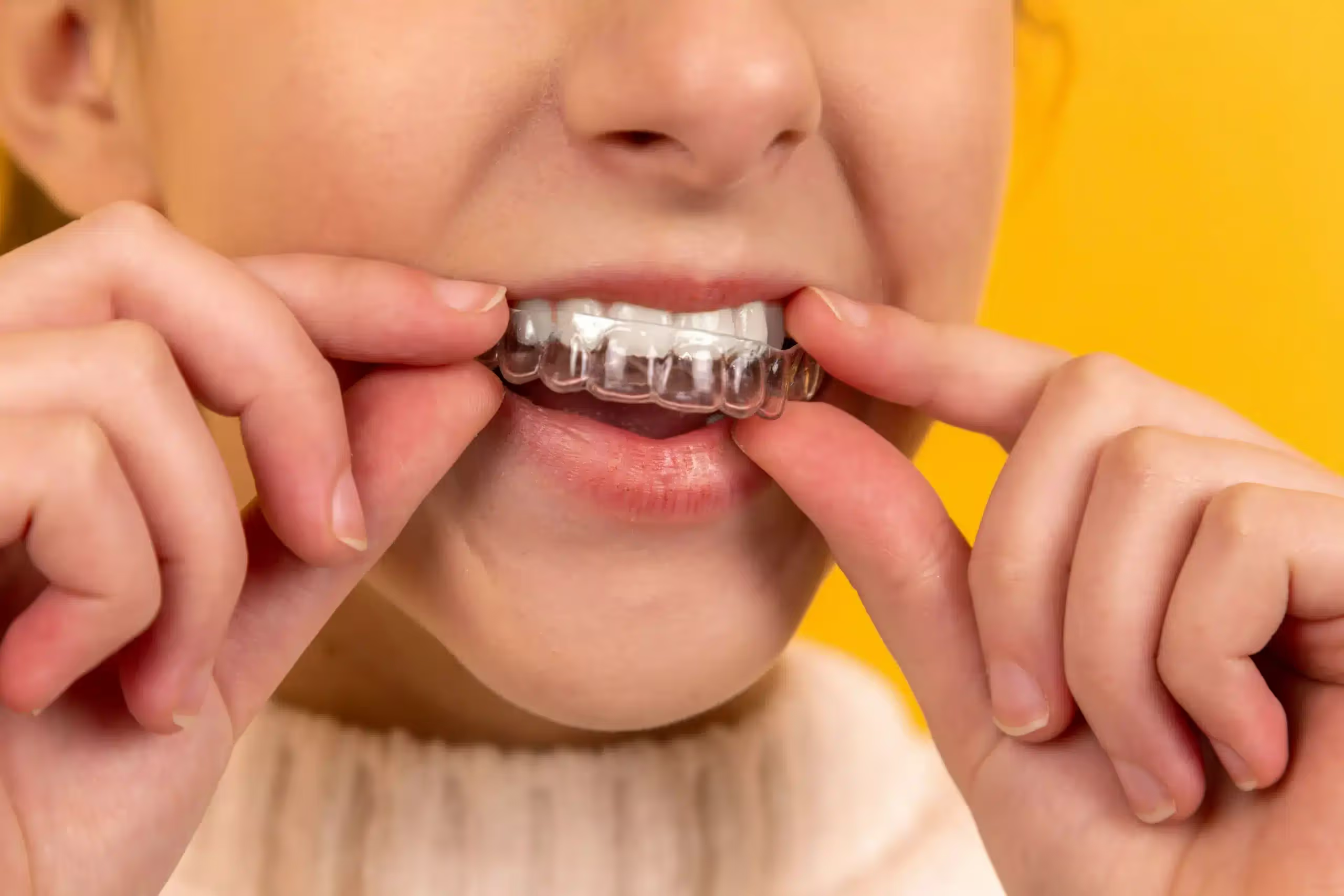
A night guard can protect your teeth and gums.
Regular dental check‑ins
Early gum disease is easier to treat than advanced recession.
When gum recession needs professional attention
Sensitivity that keeps getting worse
Exposed roots often need treatment.
Visible gaps forming between teeth
A sign of gum disease progression.
Loose teeth
Indicates advanced gum issues.
Bleeding that doesn’t improve
Persistent bleeding should be reviewed by a dentist.
Recession on multiple teeth
May require specialist gum treatment.
How Toothfairy helps with gum recession
Photo‑based gum assessments
Upload images to find out whether your gums are receding or inflamed.
Dentist‑led advice
Clear guidance on brushing technique, gum care and next steps.
Support for gum inflammation
Dentists can recommend safe ways to calm irritation.
Clear next steps
Know whether you can manage the issue at home or need an in‑person visit.

















.jpg)





.jpg)














.jpg)