
Why brushing timing matters
Brushing isn’t just about frequency - it’s about when you brush. Plaque builds up throughout the day, and brushing at the right times helps remove bacteria before they cause problems.
Brushing twice a day is recommended because it:
- removes plaque before it hardens
- reduces gum inflammation
- protects enamel
- prevents morning and evening bacterial spikes
Once‑a‑day brushing leaves long gaps where plaque can grow unchecked.
Morning vs evening brushing
Brushing in the morning
Removes plaque that built up overnight and freshens your breath.
Brushing at night
The most important brushing of the day.Your mouth produces less saliva while you sleep, so bacteria multiply faster. Brushing before bed removes plaque and reduces the risk of decay.
Is brushing once a day enough?
Short answer: No.
Brushing once a day leaves plaque on your teeth for up to 24 hours. This increases your risk of:
- cavities
- gum disease
- tartar buildup
- bad breath
- enamel erosion
Even perfect technique can’t compensate for long gaps between brushing sessions.
Best times to brush your teeth
1. First thing in the morning
Removes overnight plaque and bacteria.
2. Before bed
Protects your teeth during the hours when saliva is lowest.
Optional: After sugary or acidic meals
Wait 30 minutes before brushing to avoid damaging softened enamel.
Brushing frequency
How long should you brush for?
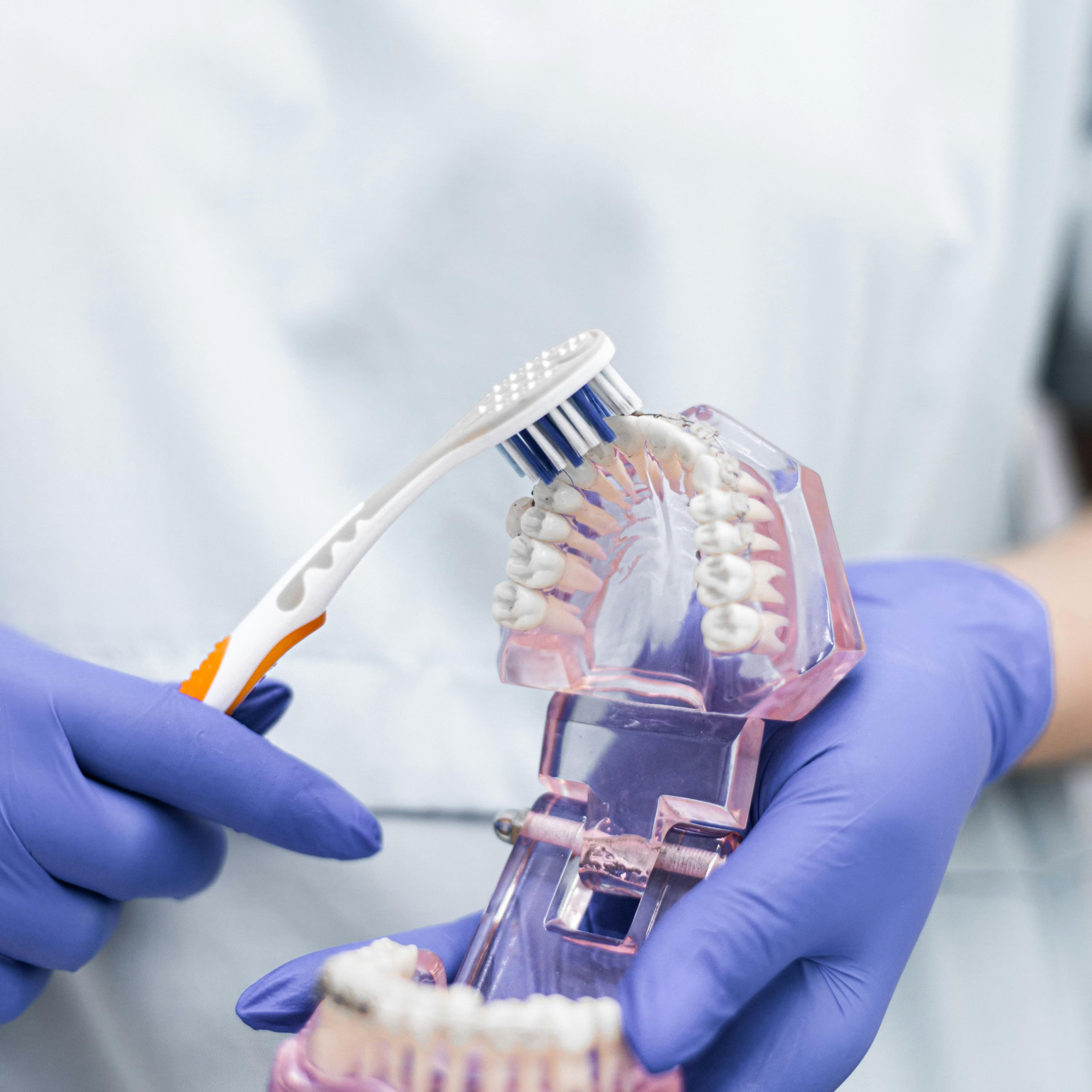
Aim for two minutes, covering:
- outer surfaces
- inner surfaces
- chewing surfaces
- gumline
- behind the front teeth
Electric toothbrushes make this easier with built‑in timers.
Should you brush before or after breakfast?
Brushing before breakfast
Best for protecting enamel.It coats your teeth with fluoride before eating.
Brushing after breakfast
Only safe if you wait 30 minutes, especially after acidic foods like juice or fruit.
How the Toothfairy Wand improves brushing
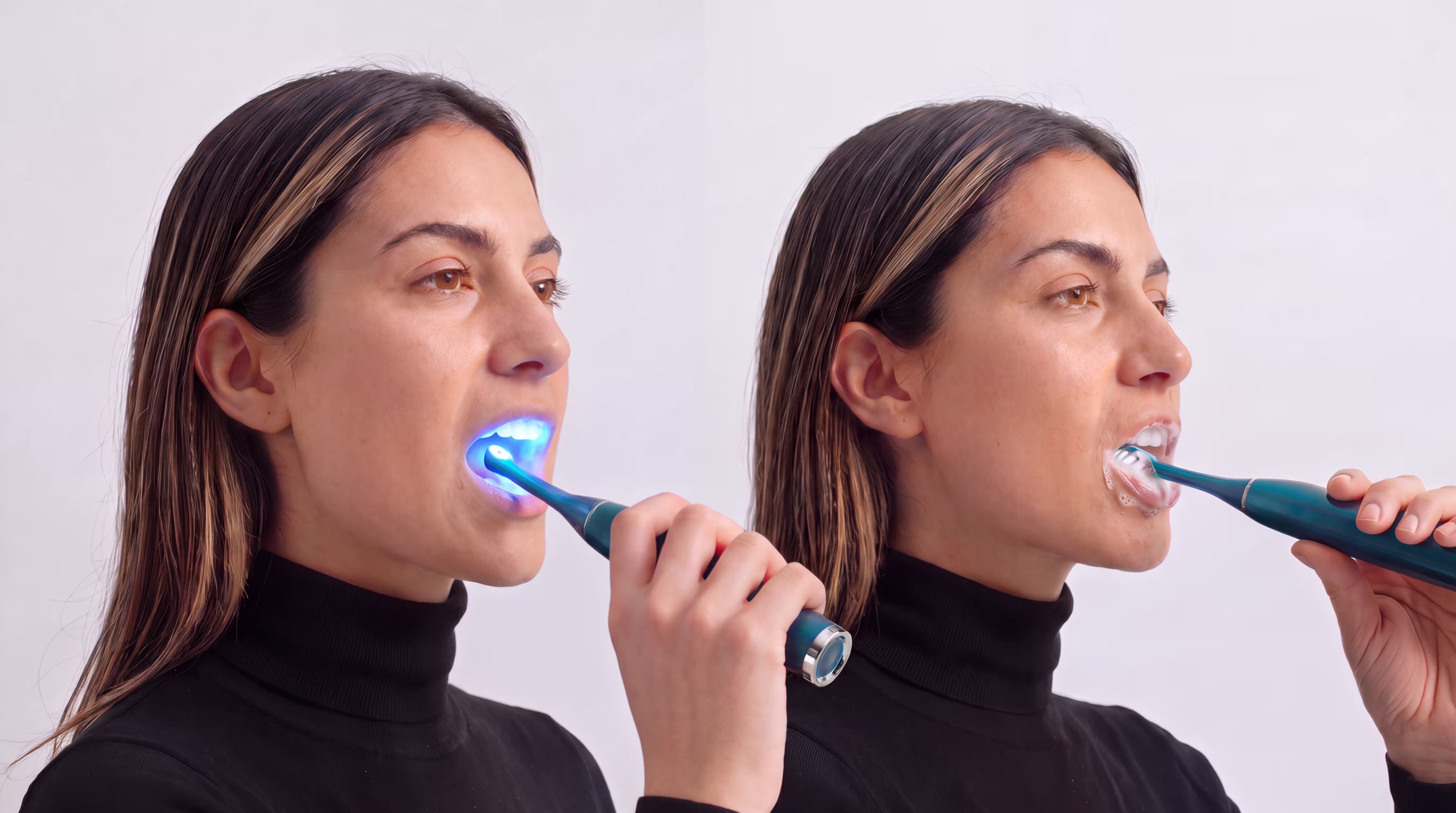
The Toothfairy Wand helps you brush more effectively with:
- powerful sonic vibrations
- Reflex Tech bristles for gumline cleaning
- dentist‑designed head shape
- smart app guidance
- brushing coverage tracking
It’s ideal for people who struggle with consistency or want deeper cleaning.
Signs you’re not brushing enough
Bleeding gums
Often linked to plaque buildup.
Persistent bad breath
Bacteria thrive when brushing is infrequent.
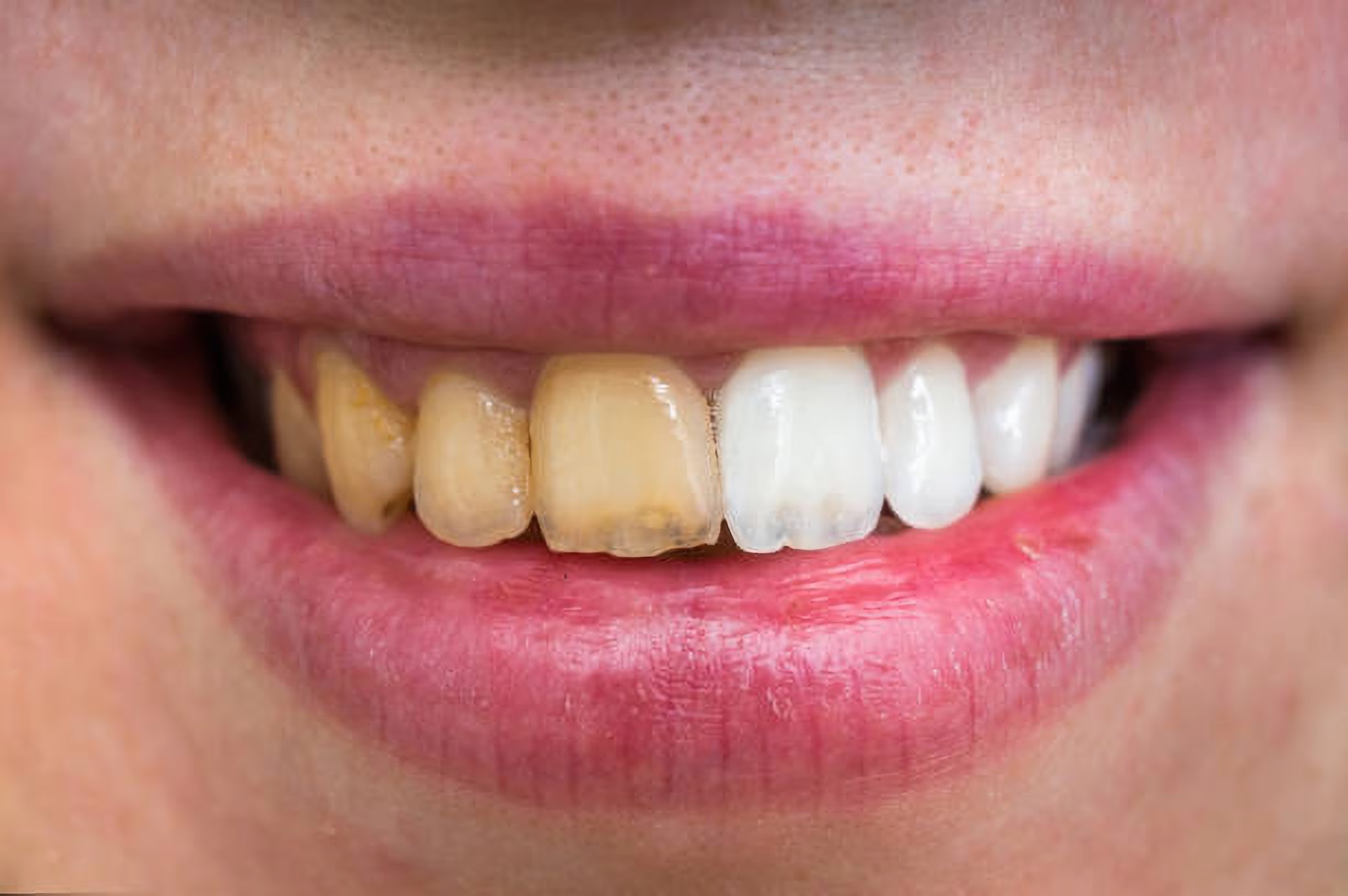
Yellowing near the gumline
Indicates plaque and tartar.
Sensitivity
Can be caused by enamel wear or gum recession.
Visible plaque
A sign your brushing routine needs improvement.
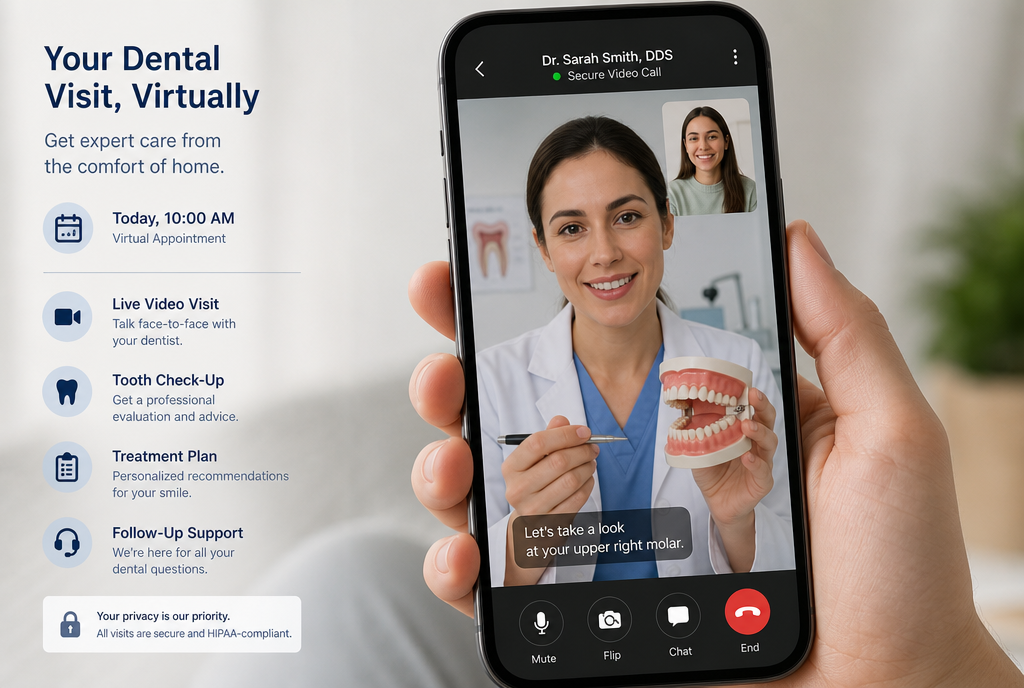
How Toothfairy supports better brushing habits
Photo‑based assessments
Upload images to check for plaque, gum inflammation or tartar.
Dentist‑led advice
Get personalised guidance on brushing technique and timing.
Smart brushing support
The Toothfairy Wand helps improve coverage and consistency.
Clear next steps
Know whether you can manage the issue at home or need a clinic visit.











.jpg)





.jpg)















.jpg)