Medically reviewed by Dr Deepak Singh BDS, GDC-registered dentist (GDC 264962)
Invisalign is the clear aligner brand most people have heard of, so it is often where the search for straighter teeth begins. It is one brand among several, made by Align Technology and supplied through dentists and orthodontists. If you are looking for an Invisalign alternative, UK options fall into a handful of groups, and the differences between them matter more than the name on the trays.
Some alternatives are other aligner systems prescribed after an in-person examination. Others post aligners to you after a home impression kit. Two are fixed braces designed to be hard to spot, and one is the NHS. The useful comparison is who examines you, who makes your plan, and what happens if treatment does not go to plan.
Clear aligners are a category, not a brand
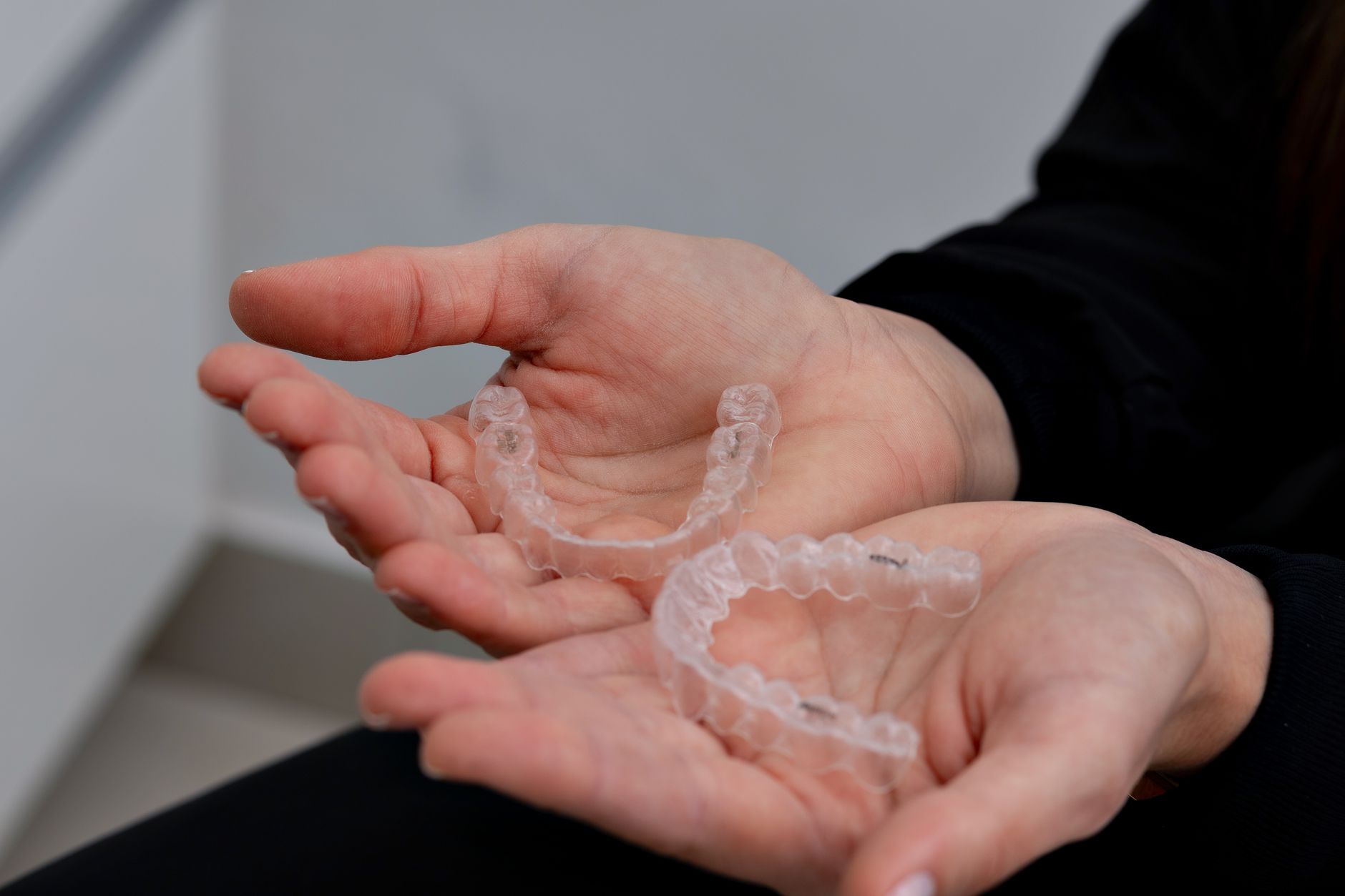
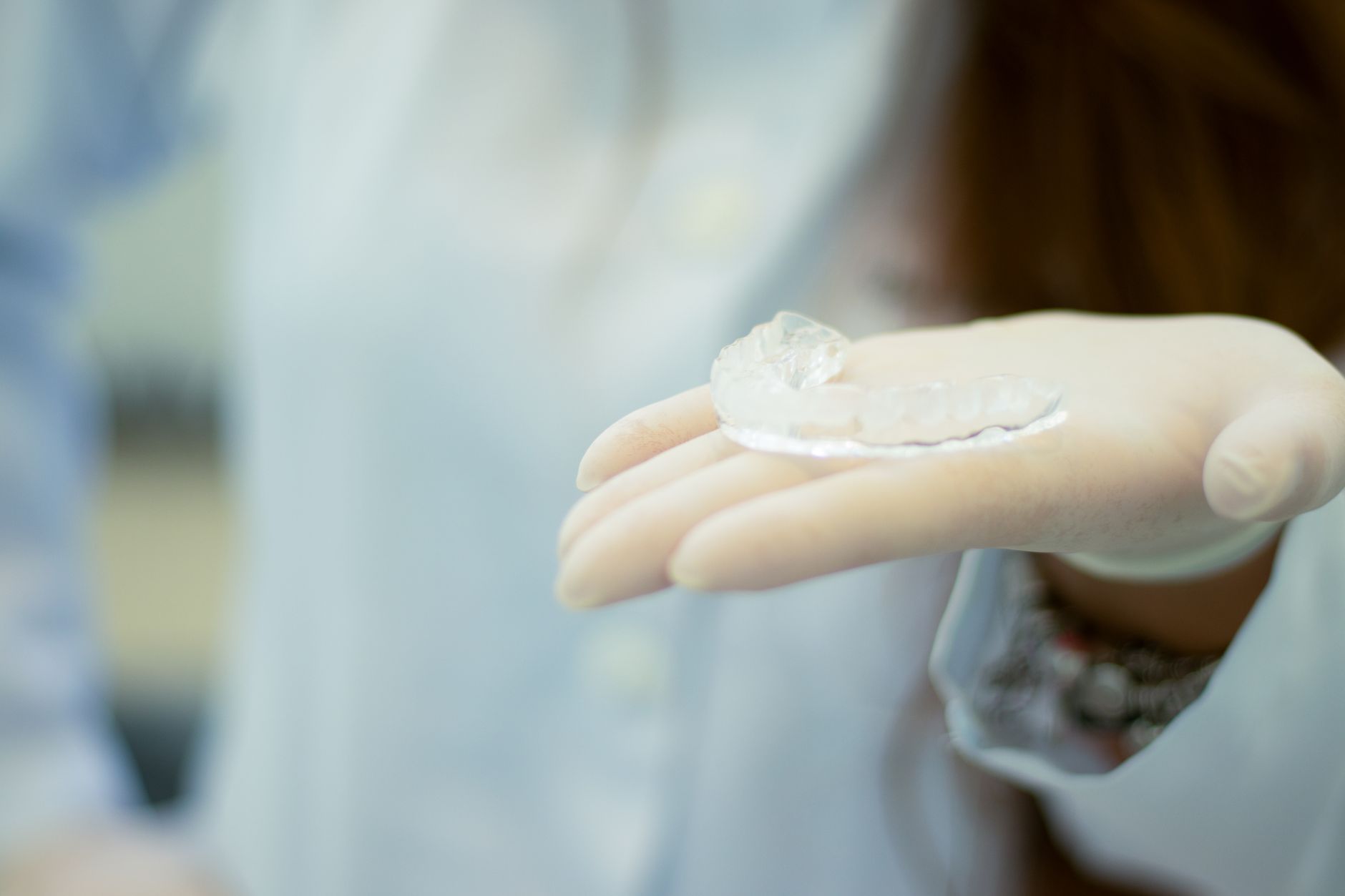
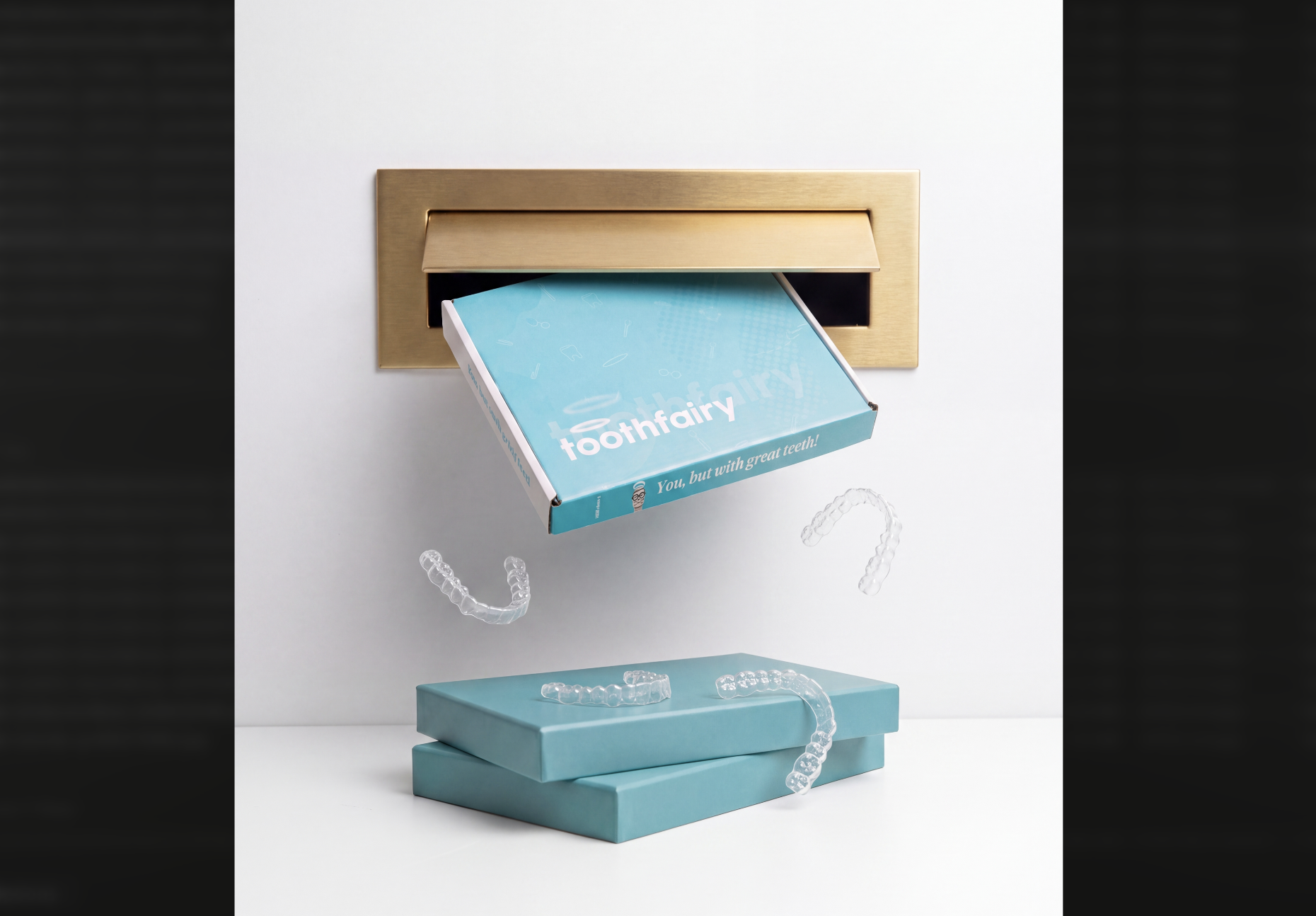
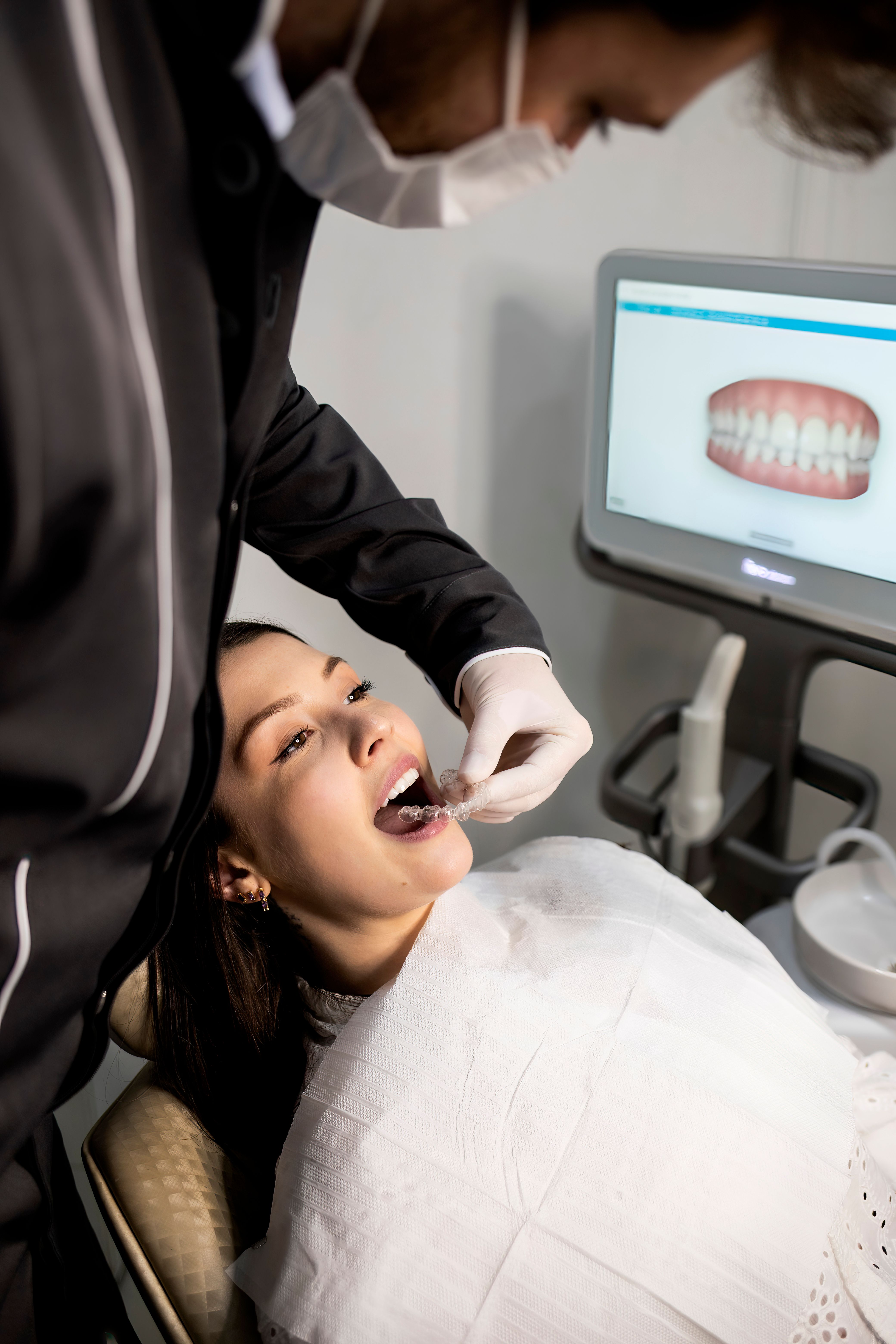
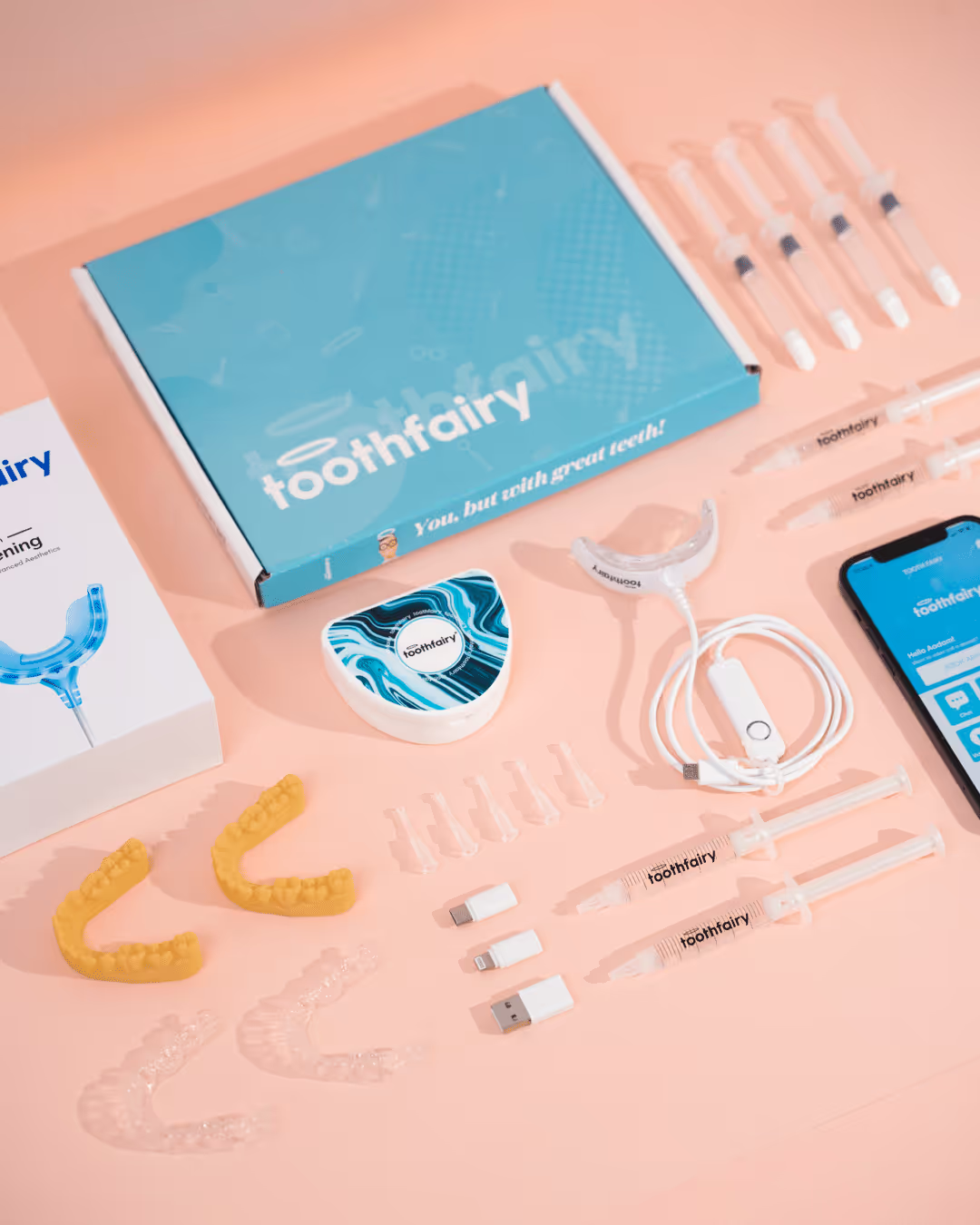
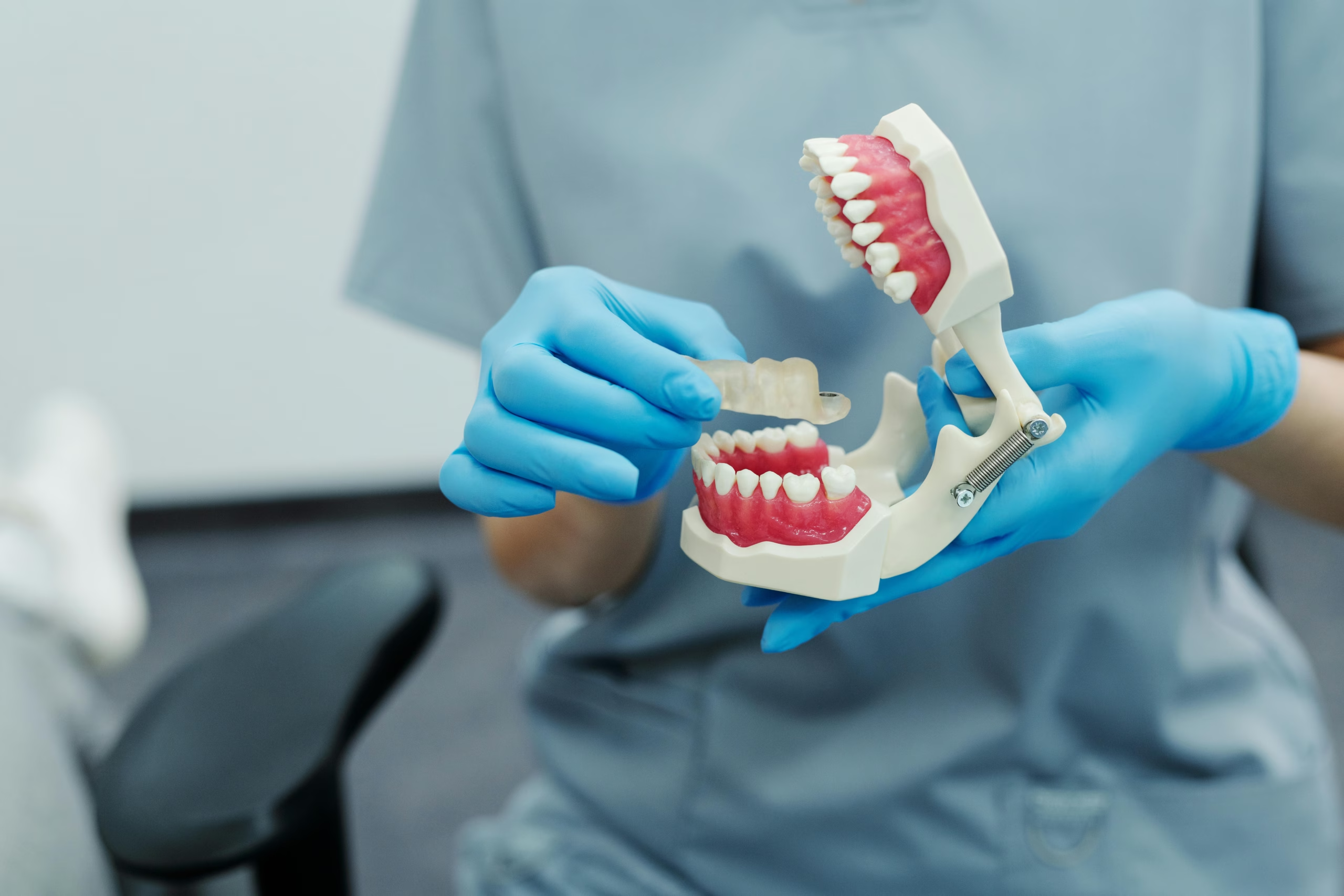
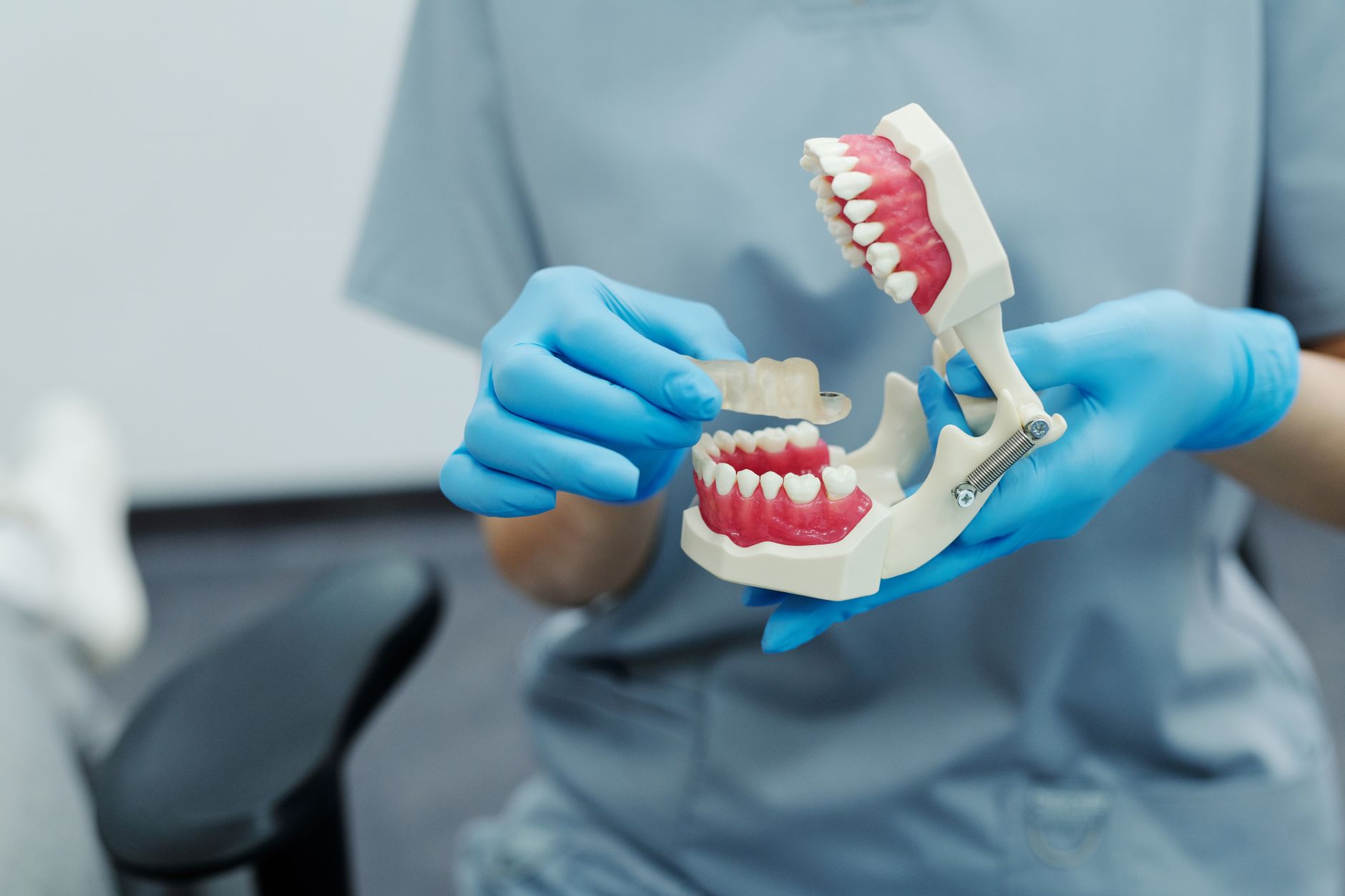
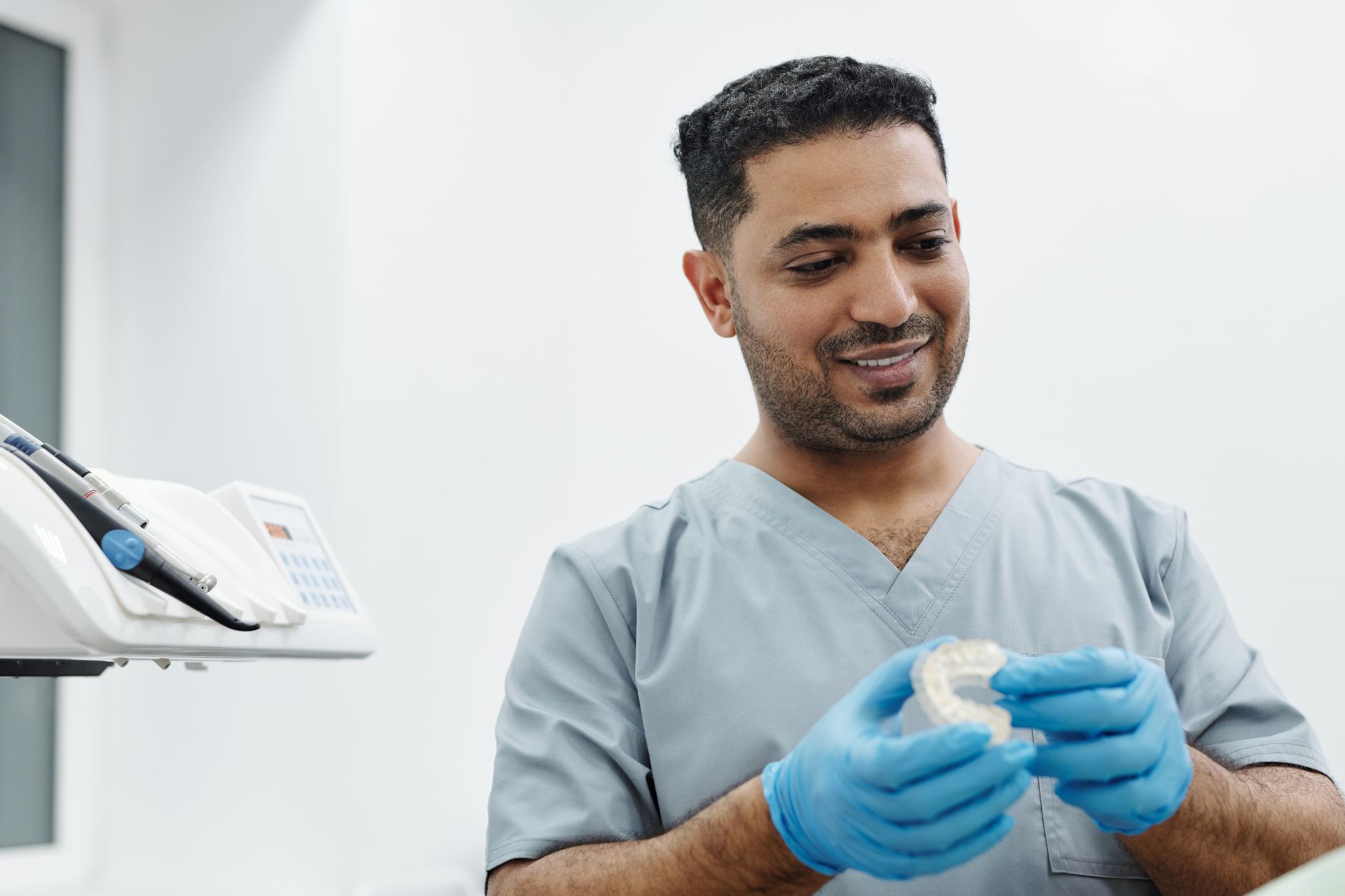
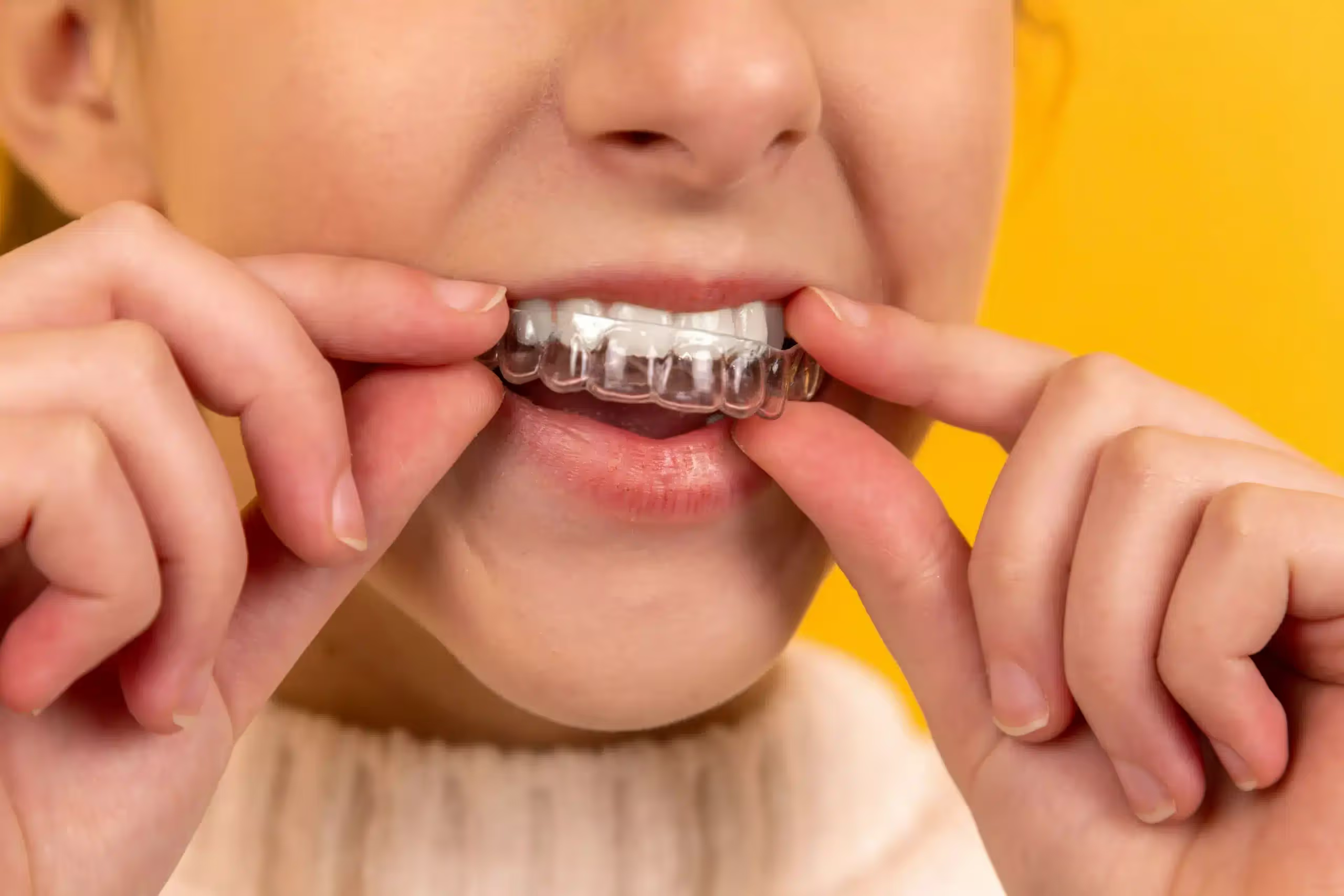
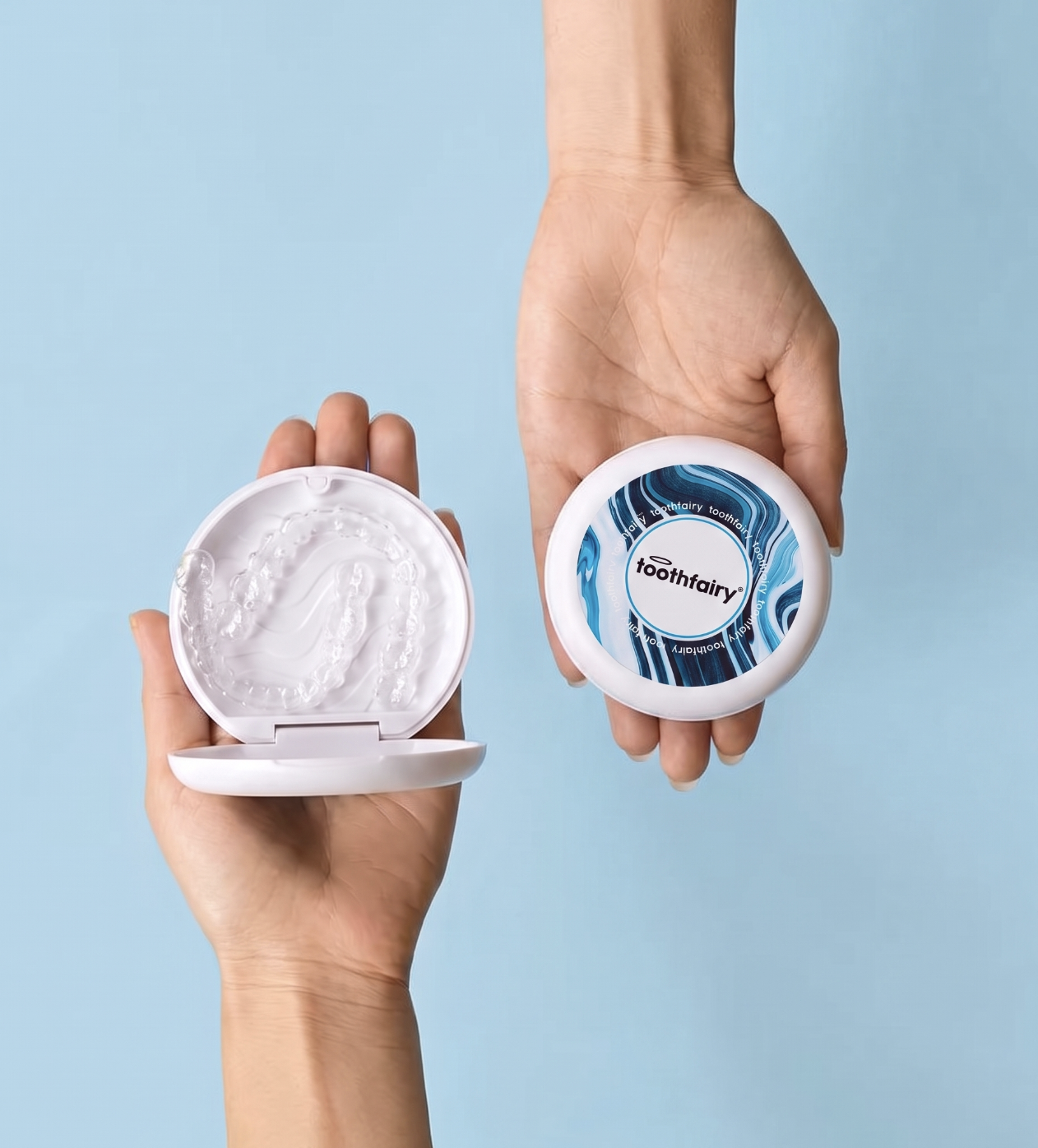
Clear aligners are thin, removable trays made from clear plastic. The British Orthodontic Society (BOS) describes treatment as a series of aligners, each moving the teeth a small distance towards the position set out in a treatment plan. They need to be worn full-time, day and night, except at meal times.
Many companies make aligners, and the trays look much the same from one to the next. What you are really choosing is the clinical process around them: the examination, the scan, the plan and the follow-up. That is why the options below are grouped by how care is delivered rather than by brand. For the basics of how treatment works, see our guide to clear aligners in the UK.
The main Invisalign alternatives in the UK
1. Other clear aligners through a dentist, with an in-person scan
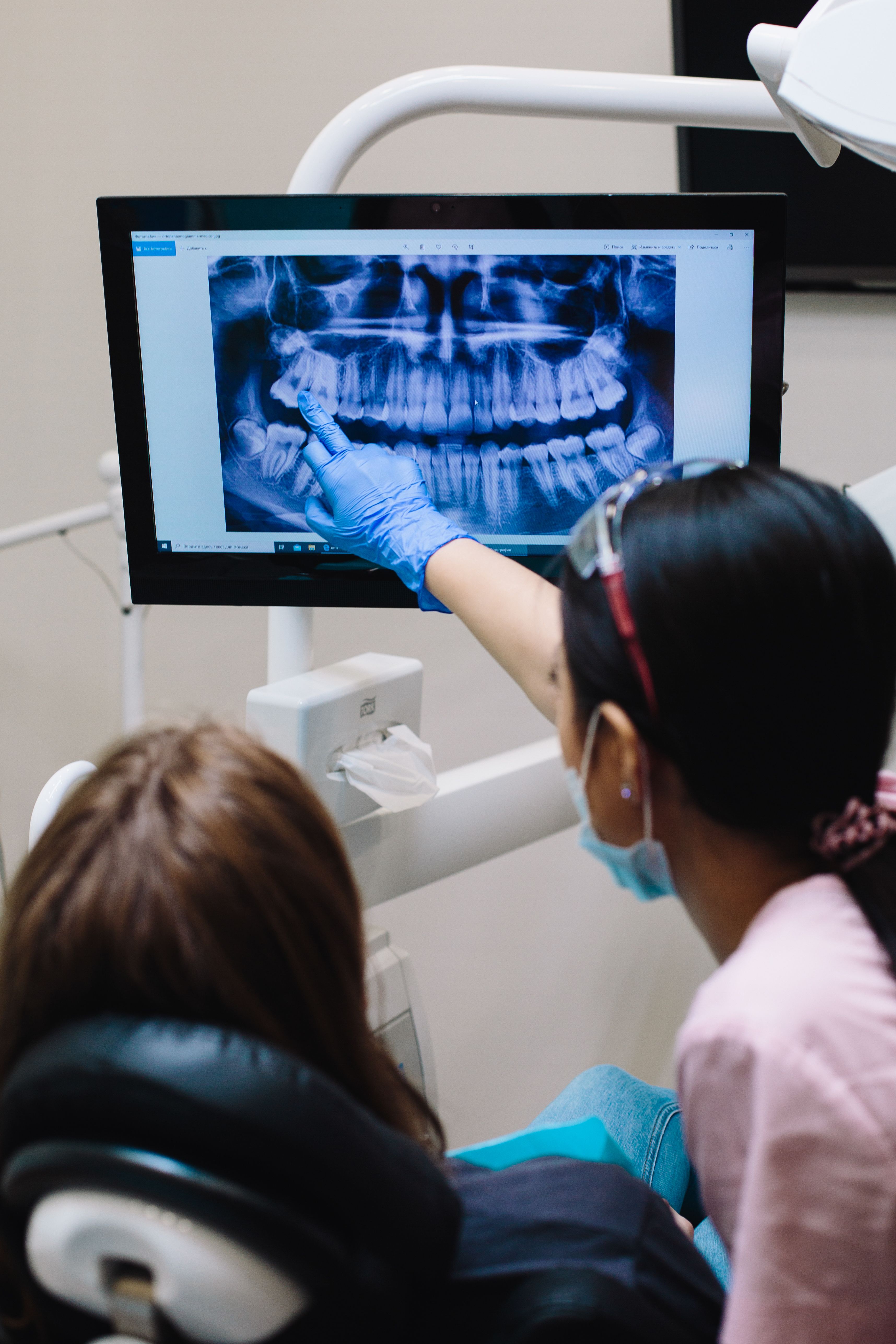
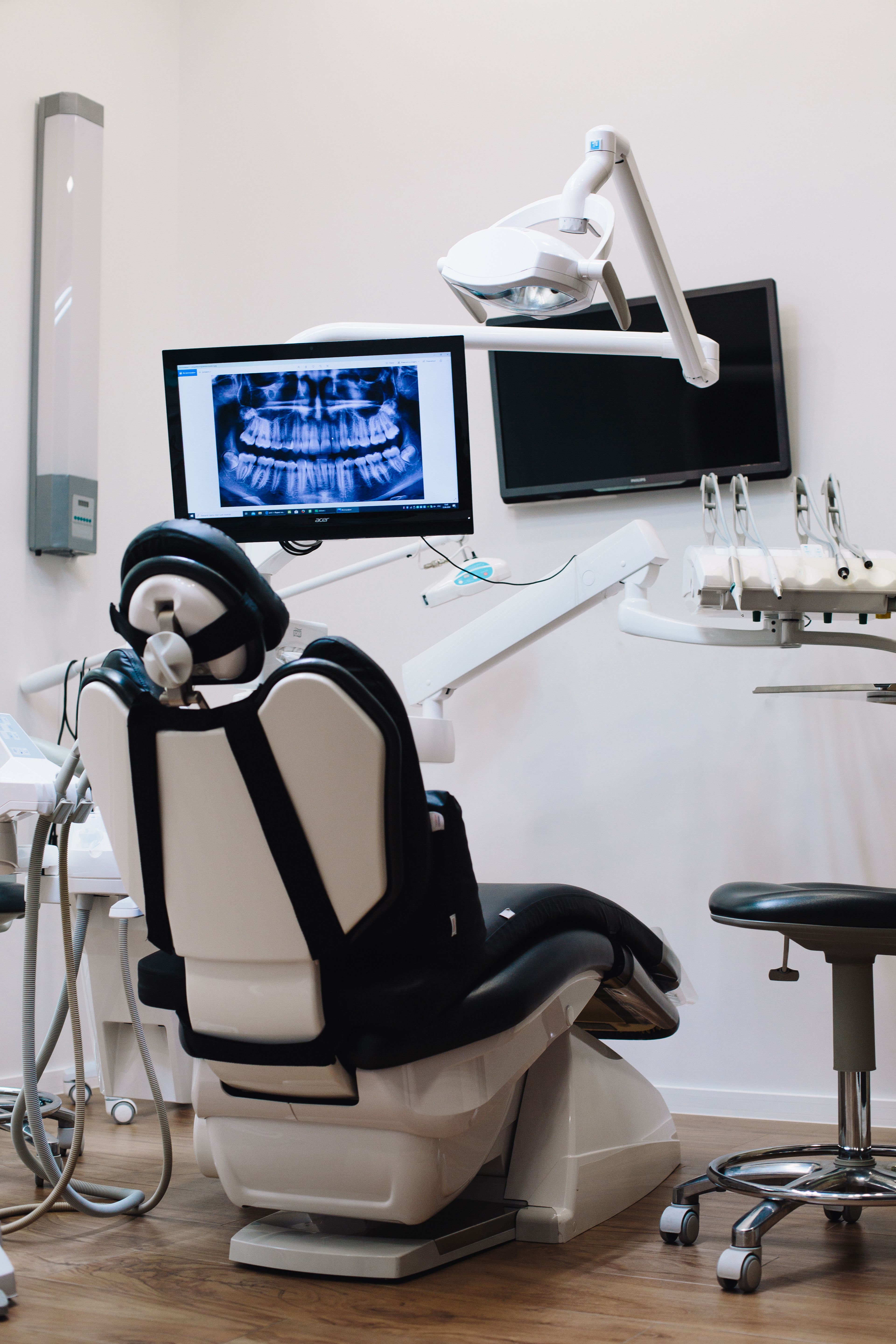
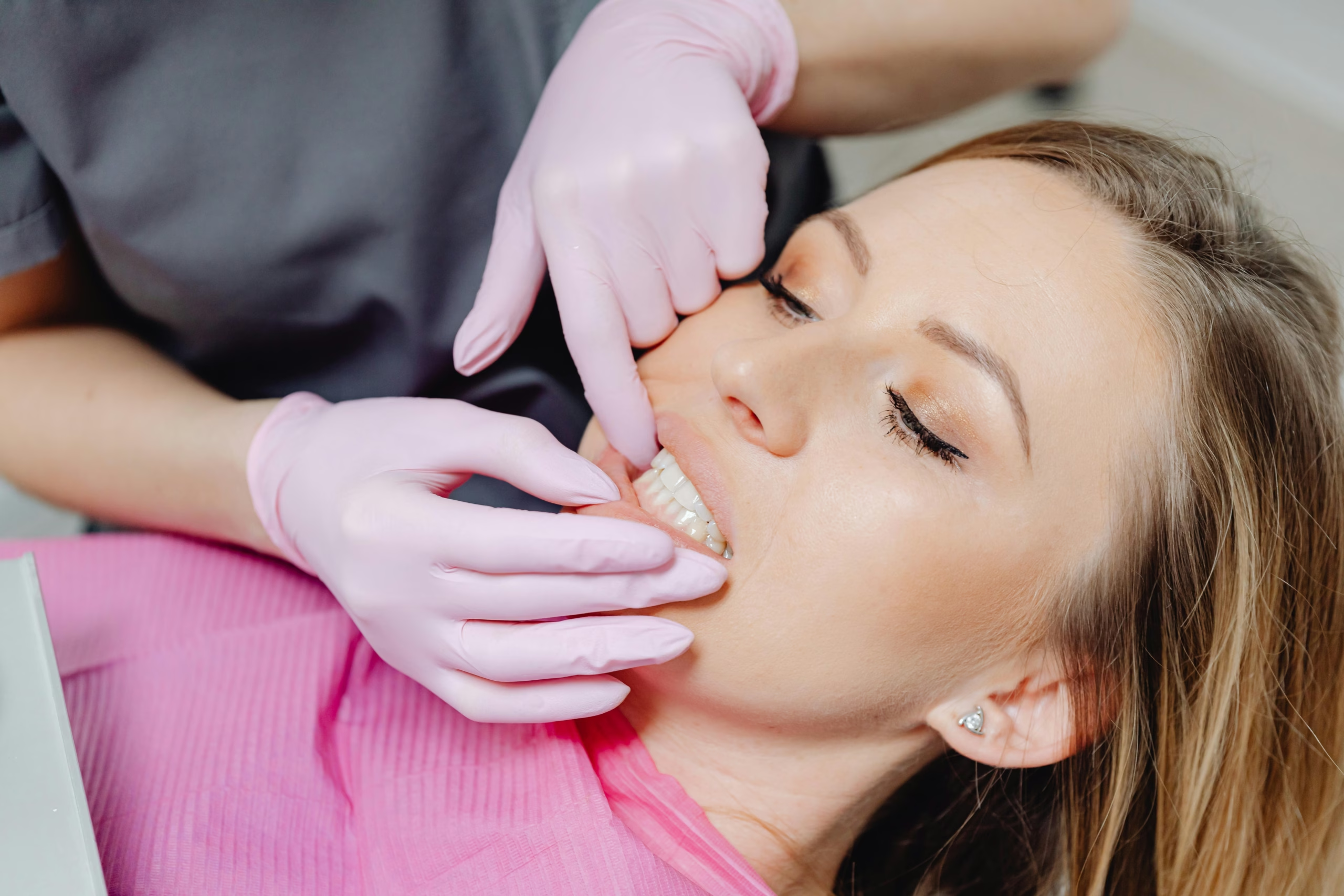
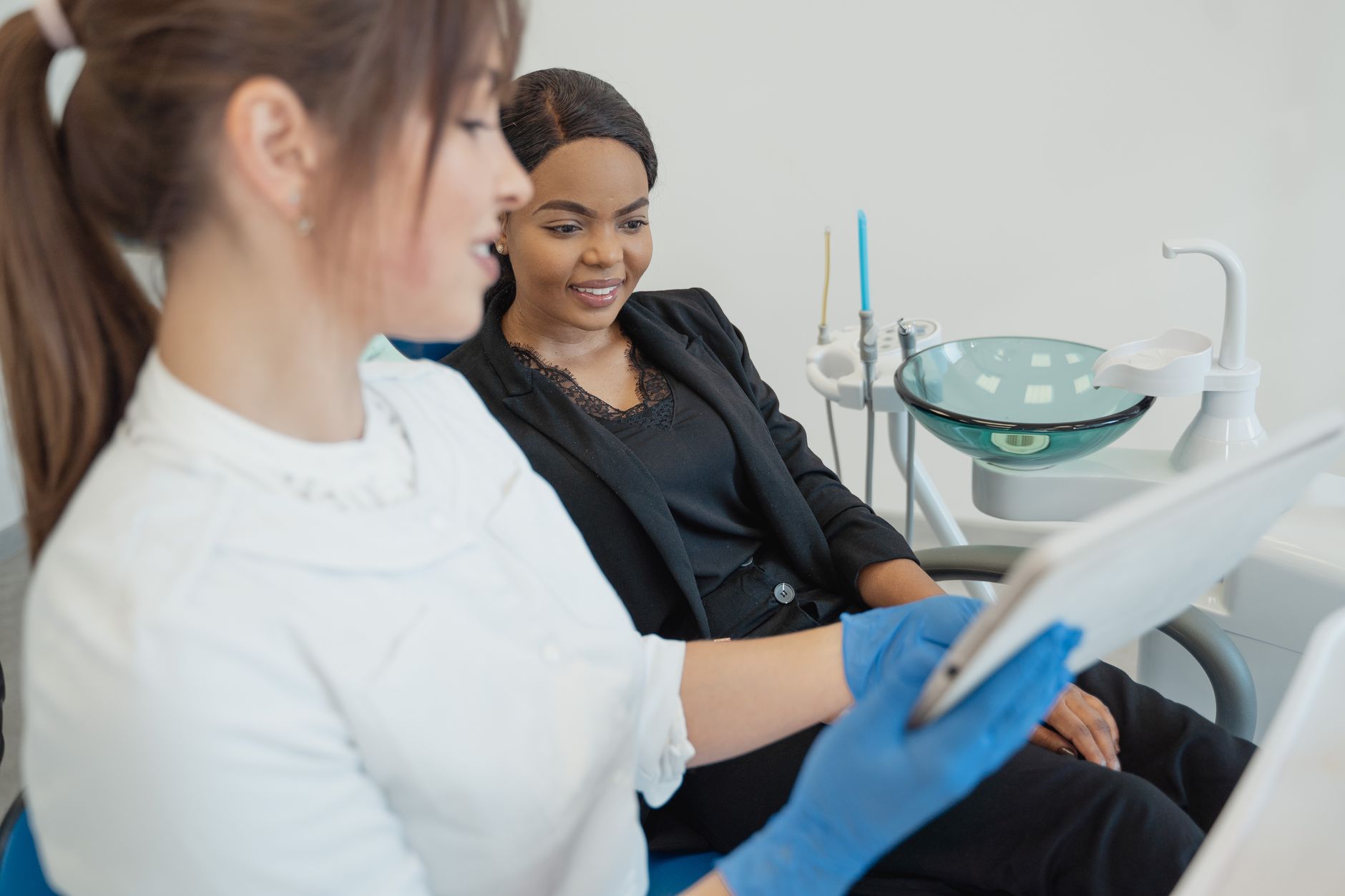
This is the closest like-for-like swap. A dentist examines you in person, takes a digital scan and designs a plan, and the aligners are made to that plan. Several UK providers work this way under their own names.
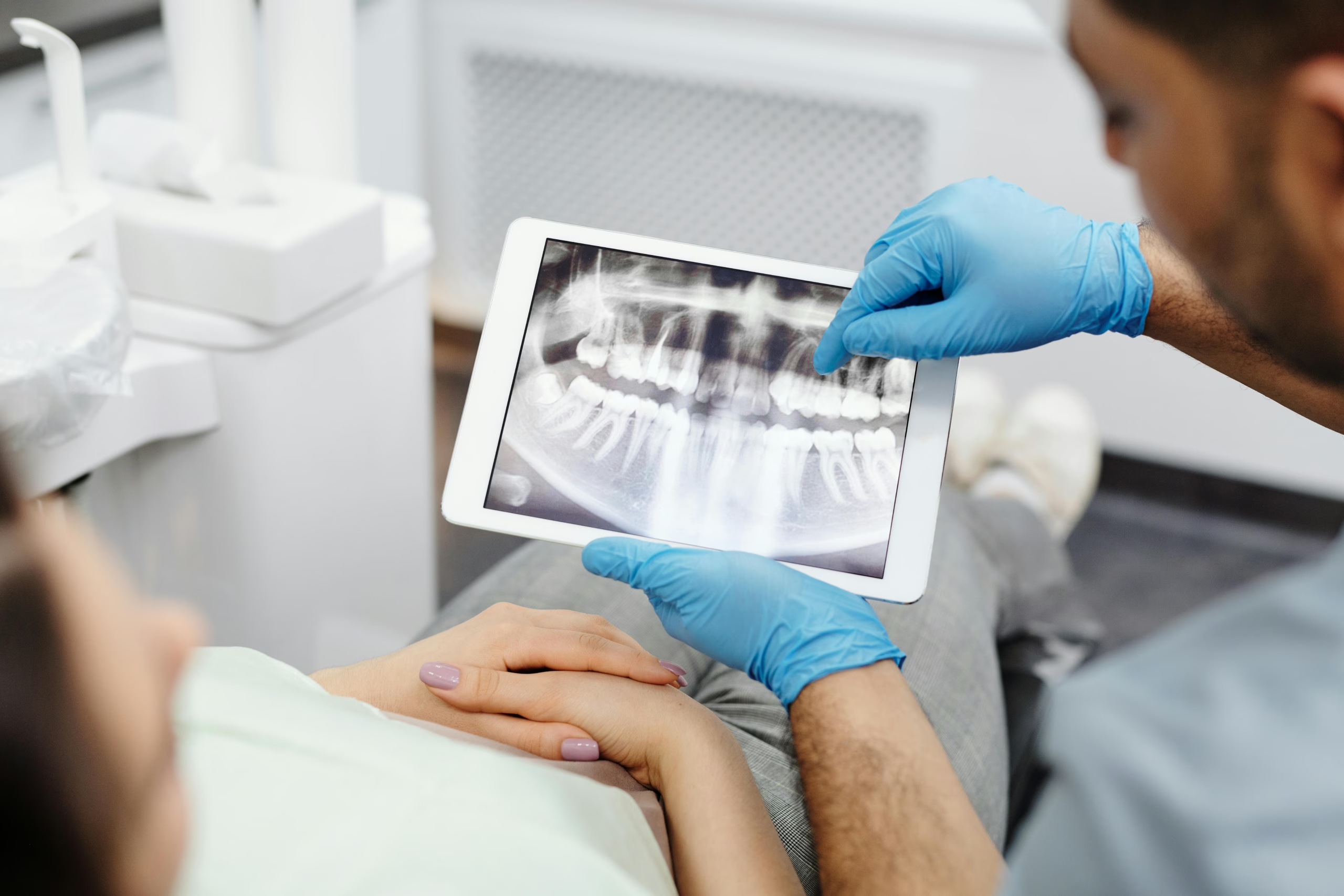
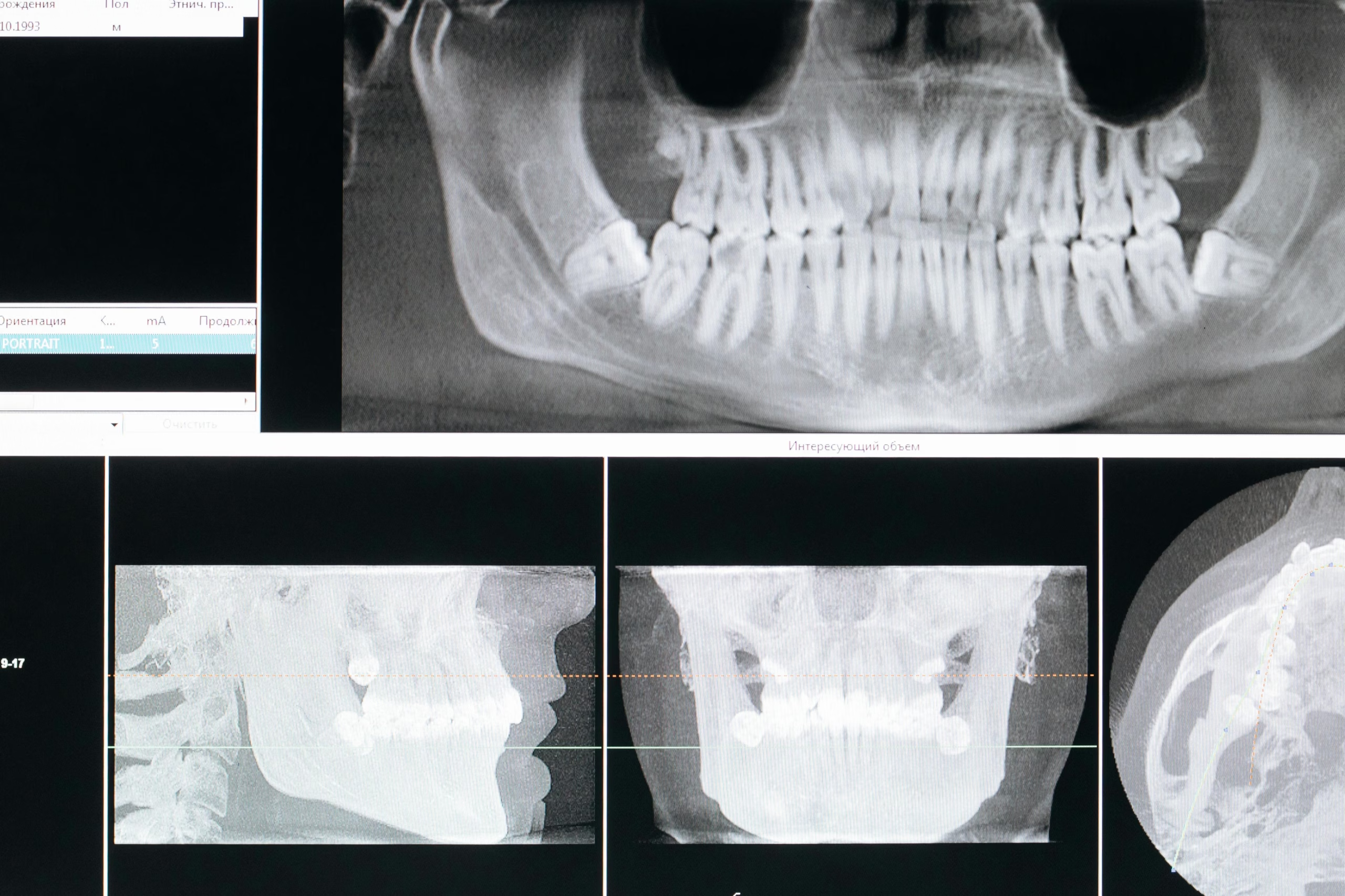
SmileWhite lists a step where you meet a local Smile White dentist for a full dental health check, X-rays and 3D scans. Impress starts with a free orthodontic evaluation at one of its clinics, with follow-up through its app or in person.
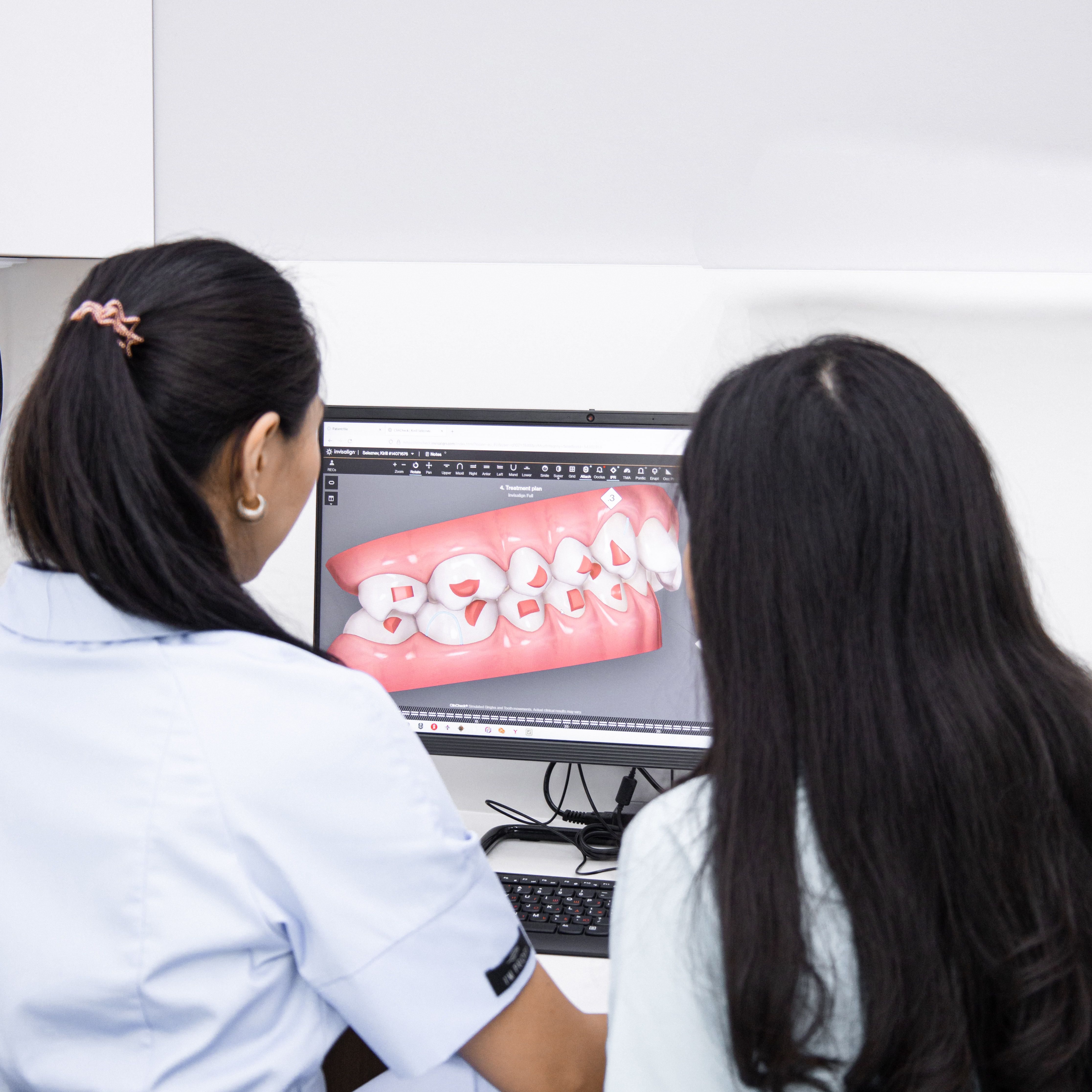
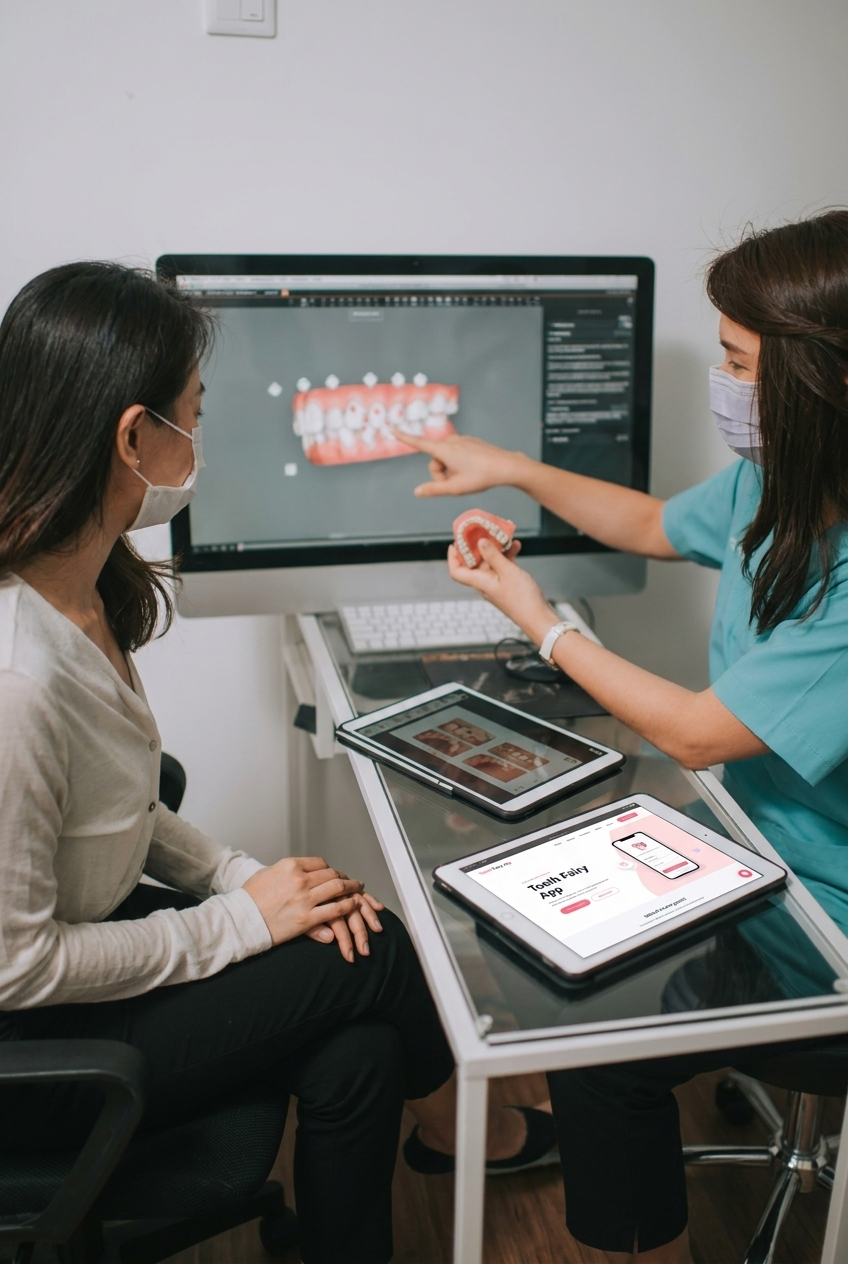
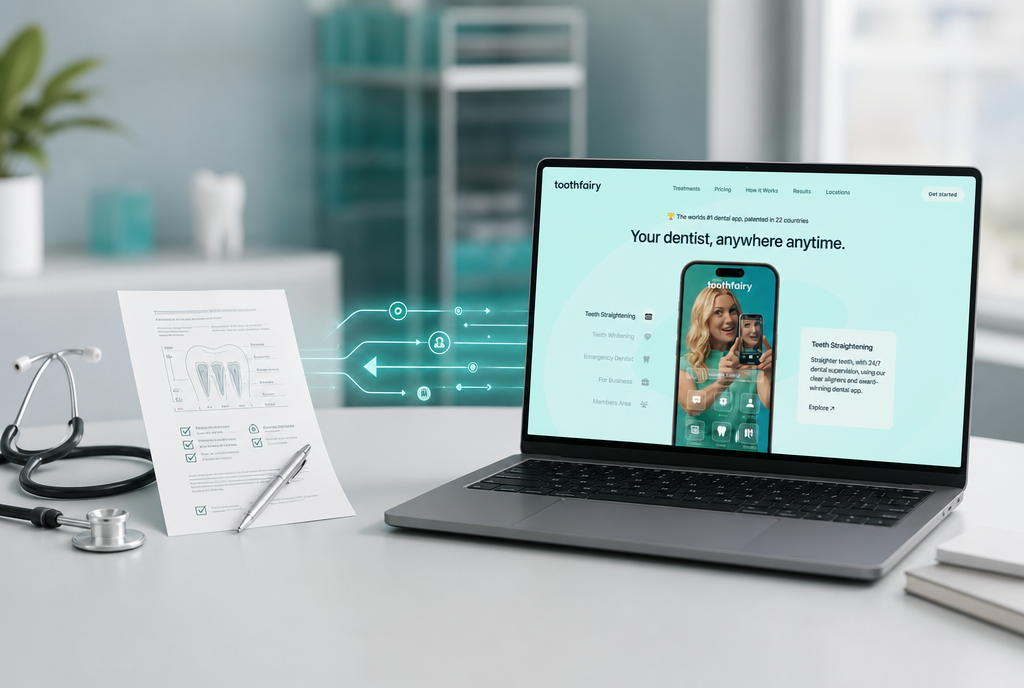
Toothfairy sits in this group too. You start with a free online consultation, then visit our clinic to be scanned. That visit includes a full health check, from gums to bite analysis, and a custom 3D smile preview. Our dentists then create a personalised plan for you to review and approve before treatment starts.
2. Remote, direct-to-consumer aligners
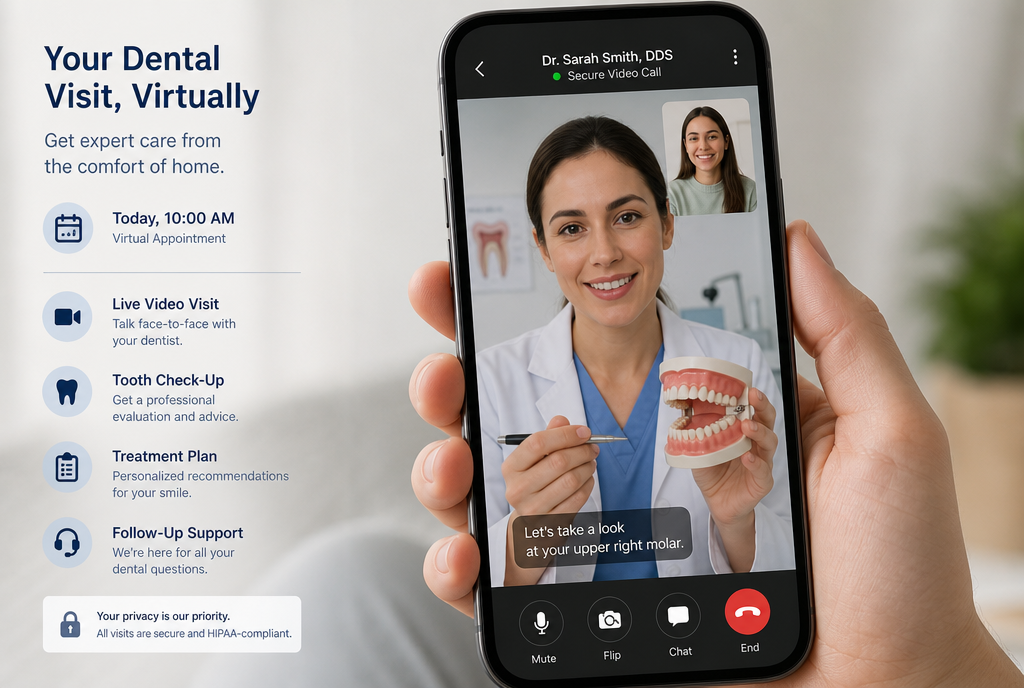
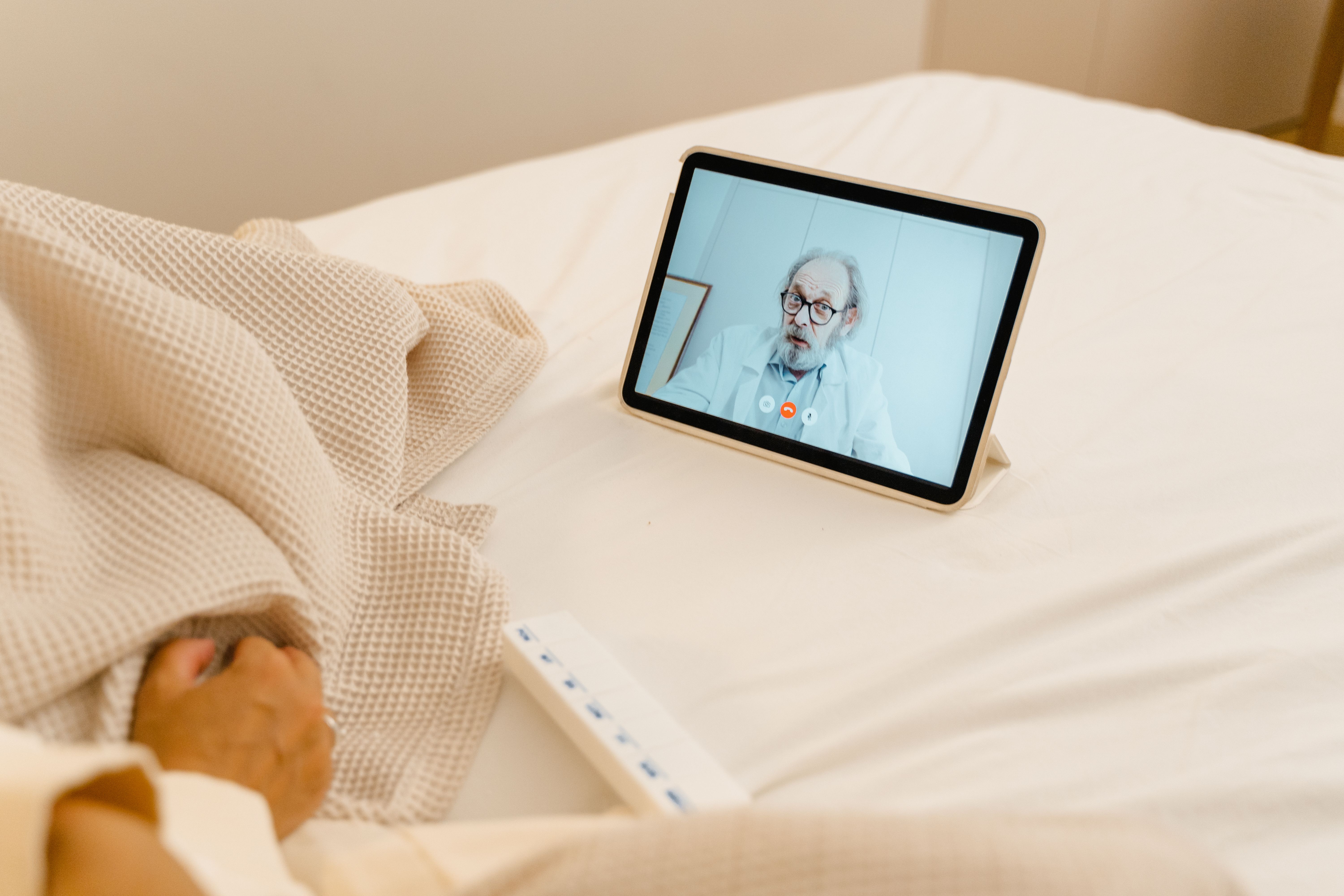
Remote services post aligners to you based on photos and impressions you take at home. The appeal is convenience, as you may never need to visit a clinic.
Straight Teeth Direct, for example, asks you to upload a few photos, then take your impressions at home, and states that no clinic visits are required. It says a dentist plans and monitors treatment. CasperSmile in the UK offers a home impression kit or a 3D scan at a participating clinic, with each case reviewed by a licensed dentist or orthodontist.
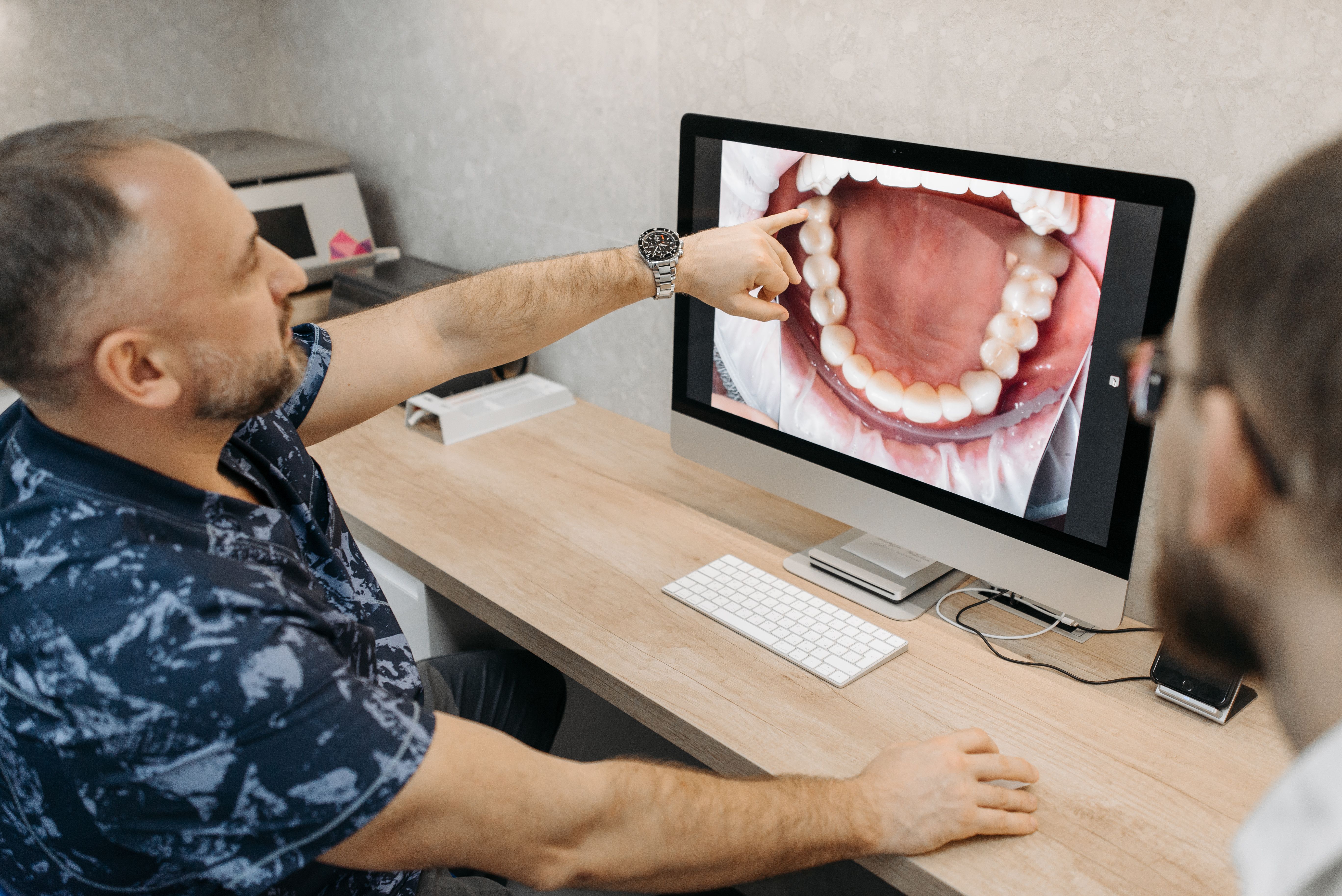
The General Dental Council (GDC) has set out its position on this model. Its statement on direct-to-consumer orthodontics says there is currently no effective substitute for a physical, clinical examination as the foundation for assessing a patient. It adds that responsibility for that judgement rests wholly with the prescribing dentist.
3. Lingual braces
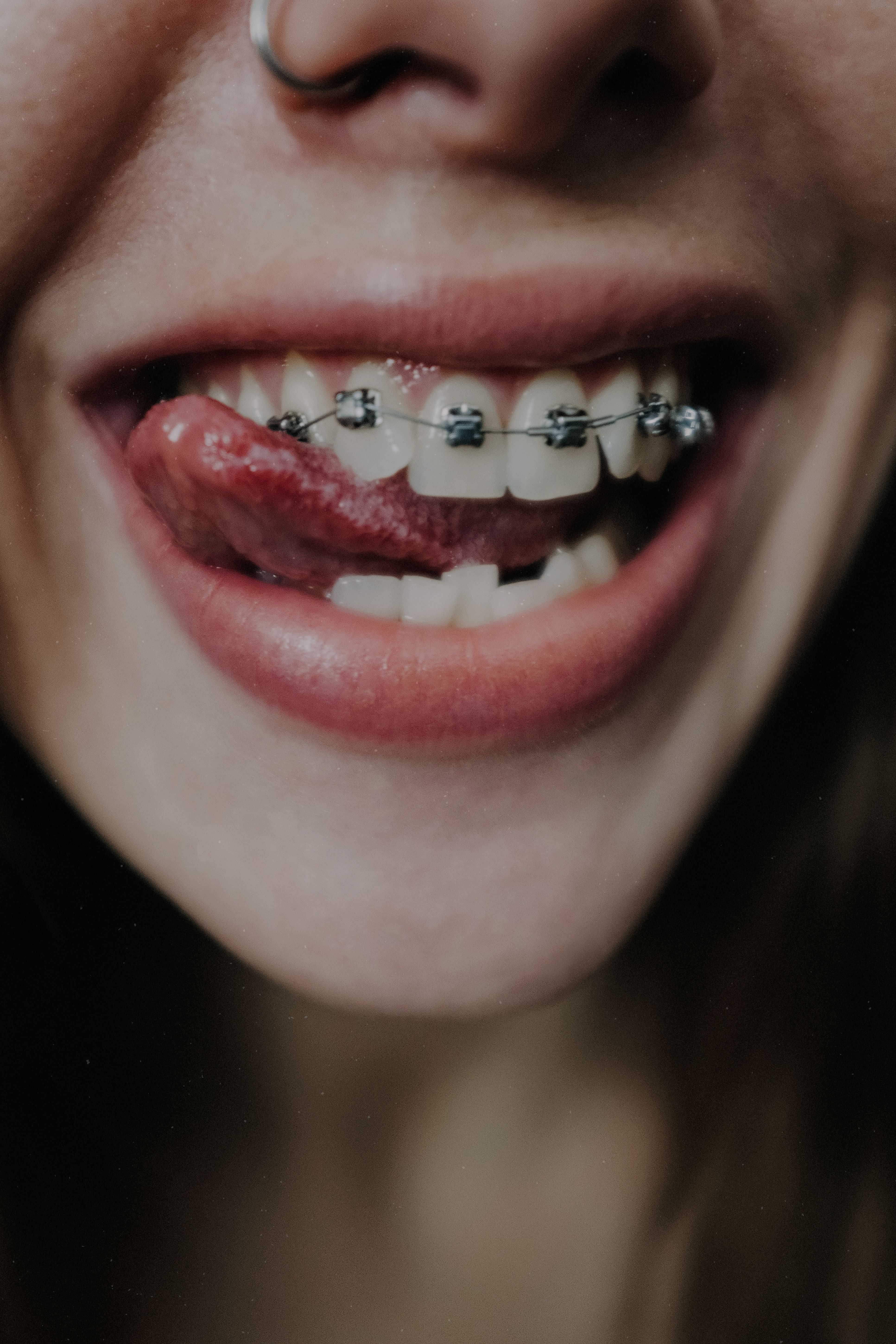
Not every alternative is an aligner. Ceramic fixed braces with tooth-coloured brackets are one discreet option, compared in clear braces vs clear aligners.
Braces fixed to the inside surfaces of the teeth are called lingual braces. BOS says they are most often worn by adult private patients who want straighter teeth without being seen in braces. Like all fixed braces, they give more three-dimensional control than removable treatments and can treat a wider range of problems.
They are not widely offered. BOS reports that about 10% of the UK's 960 registered orthodontic specialists provide the lingual technique. It also notes that speaking can be difficult at first, the tongue may be sore, and treatment costs considerably more than conventional braces.
4. NHS orthodontics
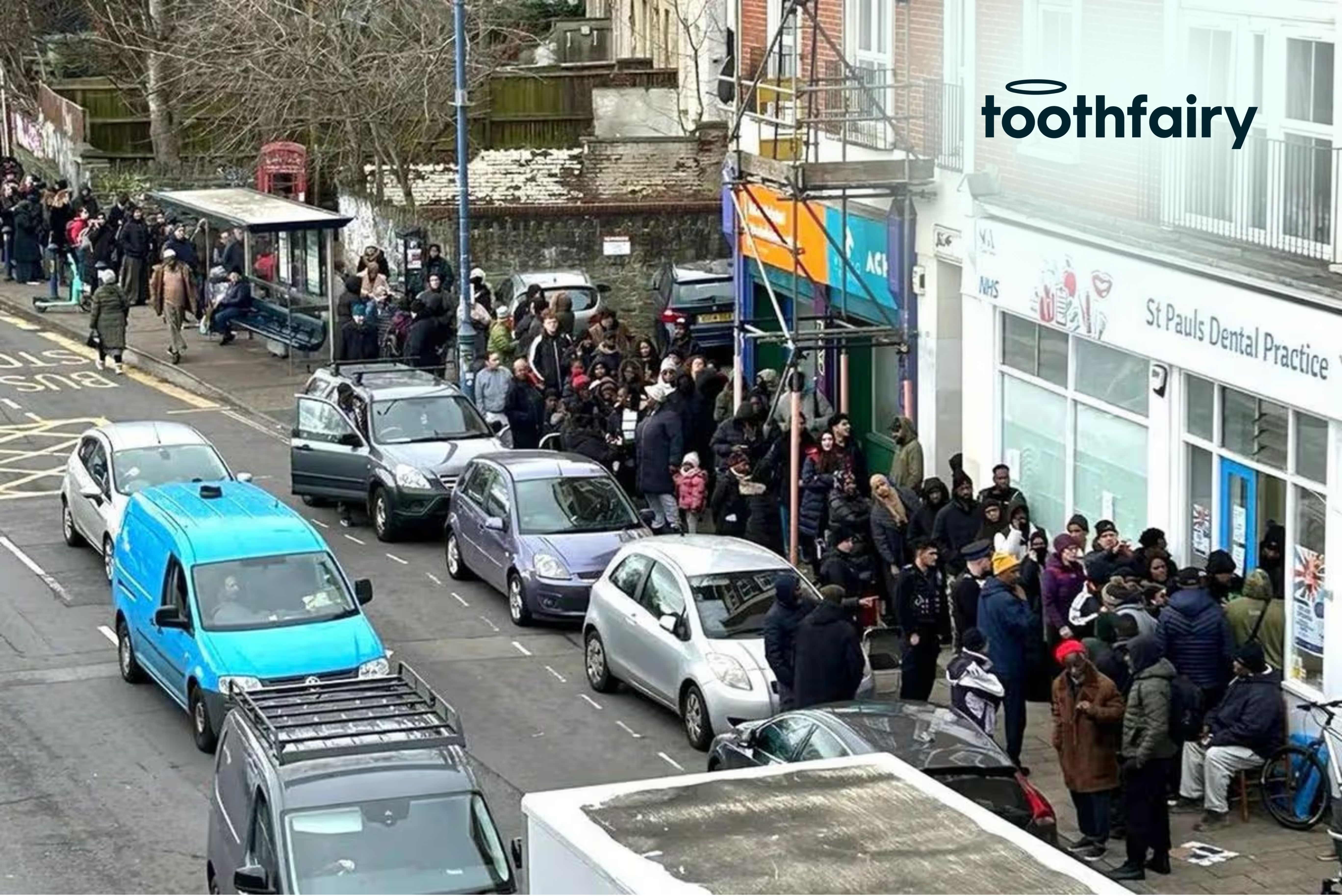
For adults, the NHS is rarely the route. The NHS says braces are usually only free for under-18s who have a problem with their teeth, and that adults usually have to pay.
Eligibility is a clinical decision. A dentist or orthodontist uses a standard assessment method to decide whether treatment is needed, and, if it is clinically necessary, you can have it on the NHS. In England, orthodontic treatment such as braces falls in Band 3 of the NHS dental charges, £332.10 as of November 2026. Fixed metal braces are commonly used on the NHS.
The options at a glance
| Option | Examined in person? | Removable? |
|---|---|---|
| Dentist-led aligners | Yes, before the plan | Yes |
| Remote aligners | Often not | Yes |
| Ceramic braces | Yes | No |
| Lingual braces | Yes | No |
| NHS orthodontics | Yes | Commonly fixed |
Invisalign alternative UK checklist: what to compare
Five questions make quotes from different providers comparable, whichever group they sit in.
- Who examines you? The GDC position is that a physical, clinical examination has no effective substitute. Ask whether yours happens in person, and before or after you pay.
- Who makes the plan? The GDC says patients must know the full name of the dental professional responsible for their treatment. Ask for that name, then check it on the GDC register.
- What does the price include? BOS states that retainers are required after any aligner treatment. BOS also suggests asking whether a fee includes breakages and retainers, so get that answer in writing.
- What happens if your teeth stop moving as planned? BOS lists severe crowding, extraction cases, complex movements and jaw problems as cases where aligners may need additional techniques. Ask what happens to your treatment, and your money, if your case turns out to be one of them.
- What happens if the provider stops trading? This is not hypothetical. In December 2023, BOS reported that Smile Direct Club had ceased trading in the UK, and advised affected patients to contact an orthodontist or dentist.
What Toothfairy costs
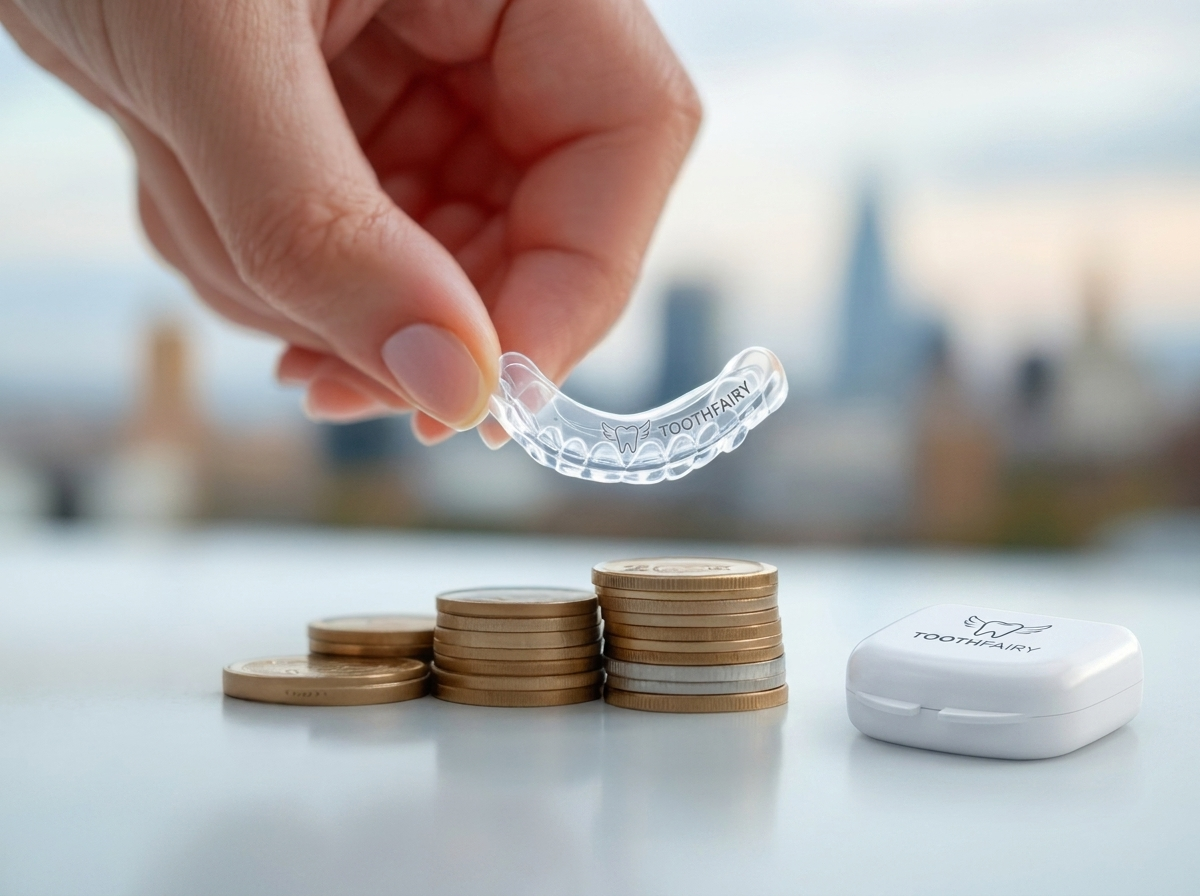
Toothfairy's aligner prices depend on the plan:
- Easy plan: £1,799 plus £99 to start, for single-arch treatment with up to 7 aligners
- Core plan: £1,999 plus £99 to start, with upper and lower arches in one price and teeth whitening included
- Pro plan: £200 on top of Core, for crowding cases that need space creation by a dentist
0% finance plans are available. Prices elsewhere vary with the provider, the complexity of the case and what is included, which is why the checklist above matters more than the headline figure. Our clear aligner cost breakdown goes through what moves a quote up or down.
Frequently asked questions
What are the main alternatives to Invisalign in the UK?
The main alternatives are other clear aligners prescribed by a dentist after an in-person scan, remote aligners planned from home impressions, ceramic or lingual fixed braces, and NHS orthodontics. NHS braces are usually only free for under-18s with a problem with their teeth. Suitability for any option is subject to a dentist's assessment.
Do other clear aligners work the same way as Invisalign?
In principle, yes: clear aligners are a treatment type, not one brand. The British Orthodontic Society describes a series of thin, removable plastic trays, each moving the teeth a small distance towards a planned position, worn full-time except at meals. What differs between providers is the examination, scan, planning and follow-up.
Can I get aligners without visiting a clinic?
Yes, some remote services post aligners after photos and a home impression kit, with no clinic visit. The General Dental Council's position is that there is currently no effective substitute for a physical, clinical examination when assessing a patient. Ask whether, and when, an in-person examination takes place.
How can I check a dentist on the GDC register?
Ask the provider for the full name of the dentist responsible for your treatment, then search for it on the General Dental Council's online register. The register confirms whether a dental professional is registered and able to practise in the UK. You can search by name, town or GDC registration number.
What should I ask an aligner provider before signing up?
Ask who examines you and whether that happens in person, who is responsible for your plan, and what the price includes. Retainers are required after aligner treatment, so check whether they and any breakages are covered. Also ask what happens if your teeth stop moving as planned or the provider stops trading.
How to decide
The groups narrow quickly once you know what your teeth need. Under-18s should check NHS eligibility first. If your case involves severe crowding, extractions or the position of the jaws, fixed braces or a specialist orthodontist may be the better starting point. If an aligner is suitable, the real choice is between an in-person examination and a remote service, and the GDC's view of that choice is clear.
Whichever way you lean, suitability for any of these treatments is subject to a dentist's assessment, and treatment length is set by the dentist once they have examined you. If you would like a dentist to look at your teeth before you decide, you can start with a free online consultation and book your clinic scan from there.
About the medical reviewer
Dr Deepak Singh BDS BSc (Hons) PGCert is a dentist registered with the General Dental Council (GDC 264962). He qualified from King's College London in 2016 and has a special interest in orthodontics and cosmetic dentistry. He is Toothfairy's Chief Dental Officer and reviews Toothfairy's clinical content.