What is smile dental whitening?
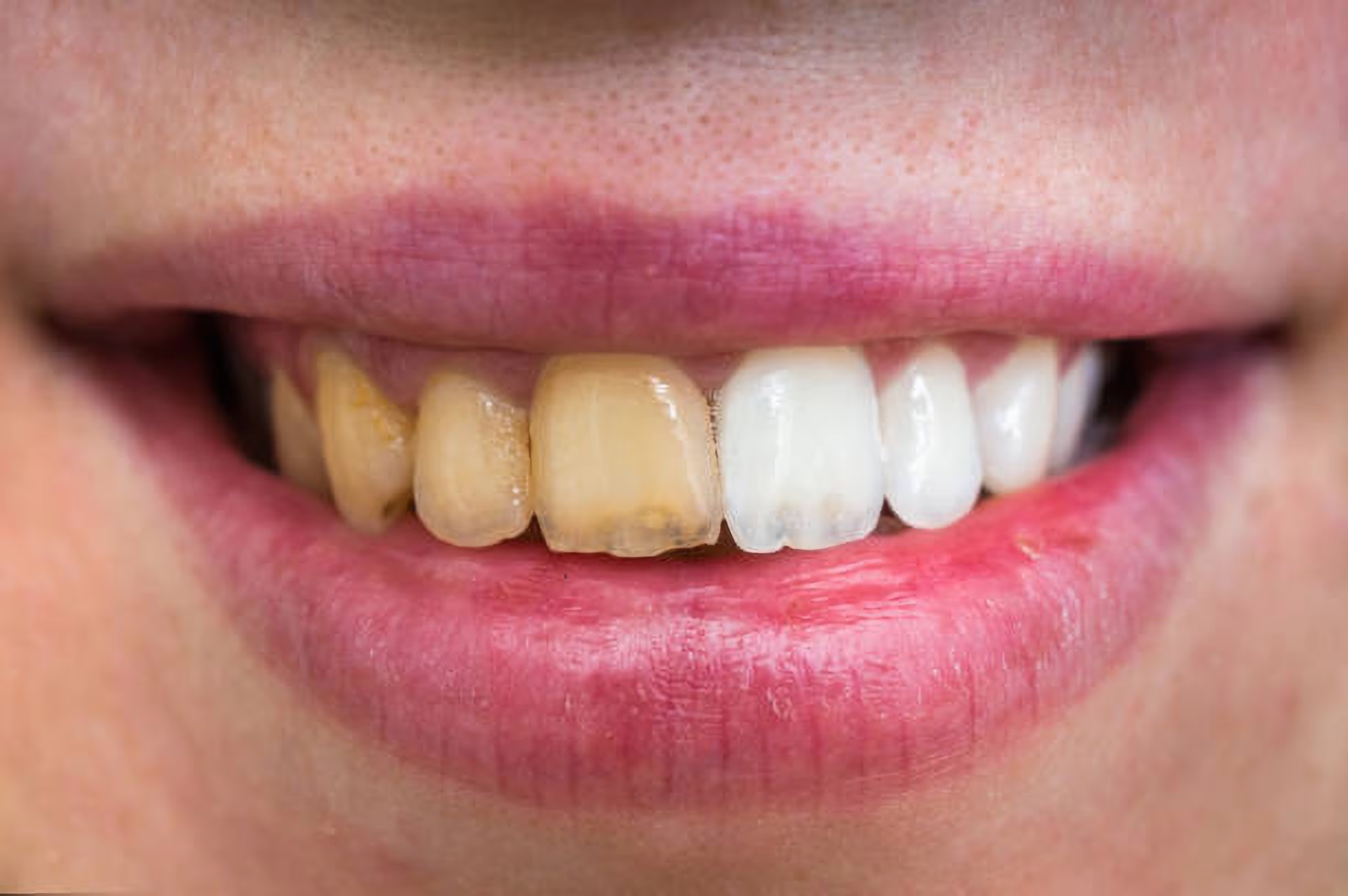
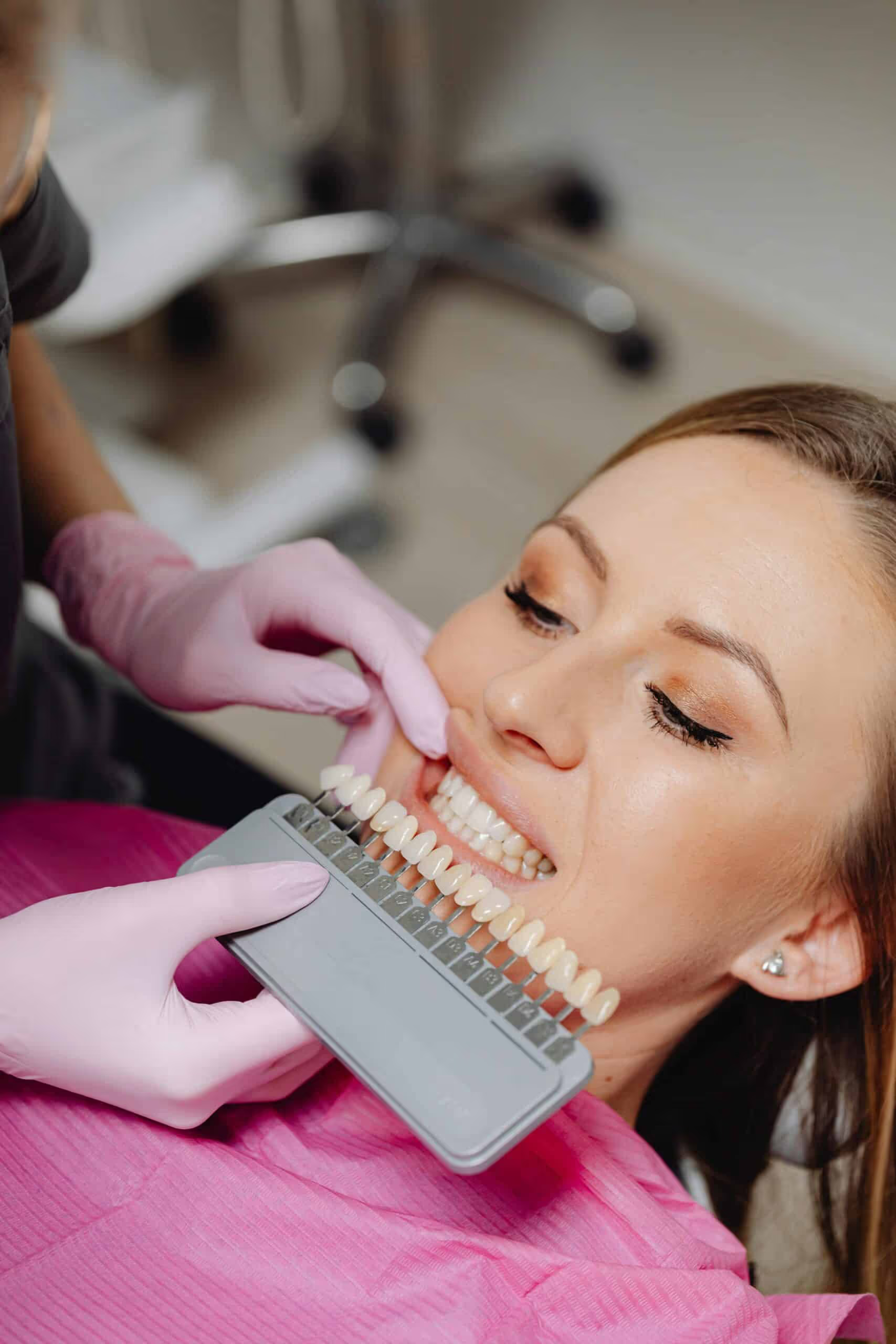
Smile dental whitening refers to professional whitening treatments designed to lighten stains inside the enamel.
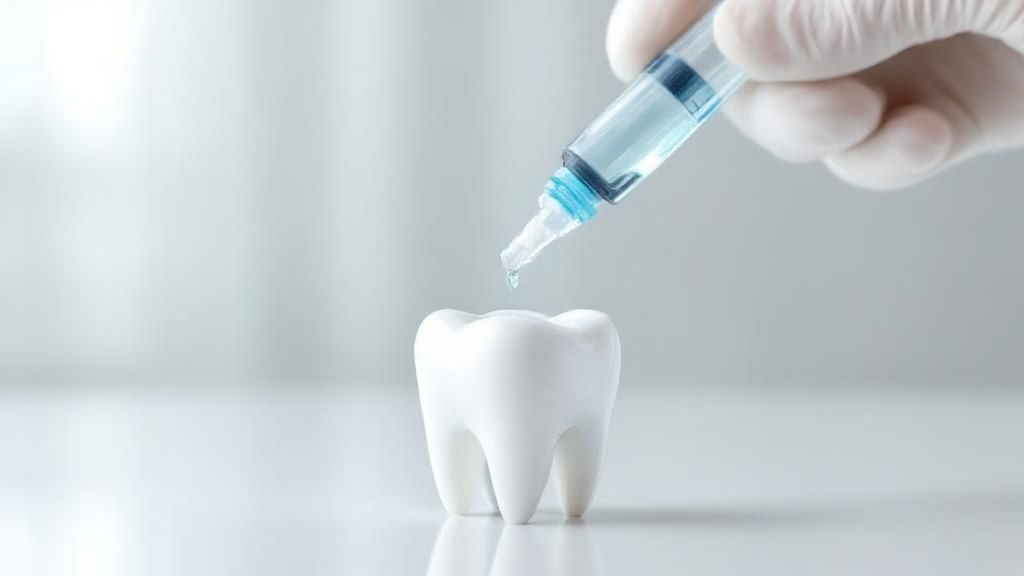
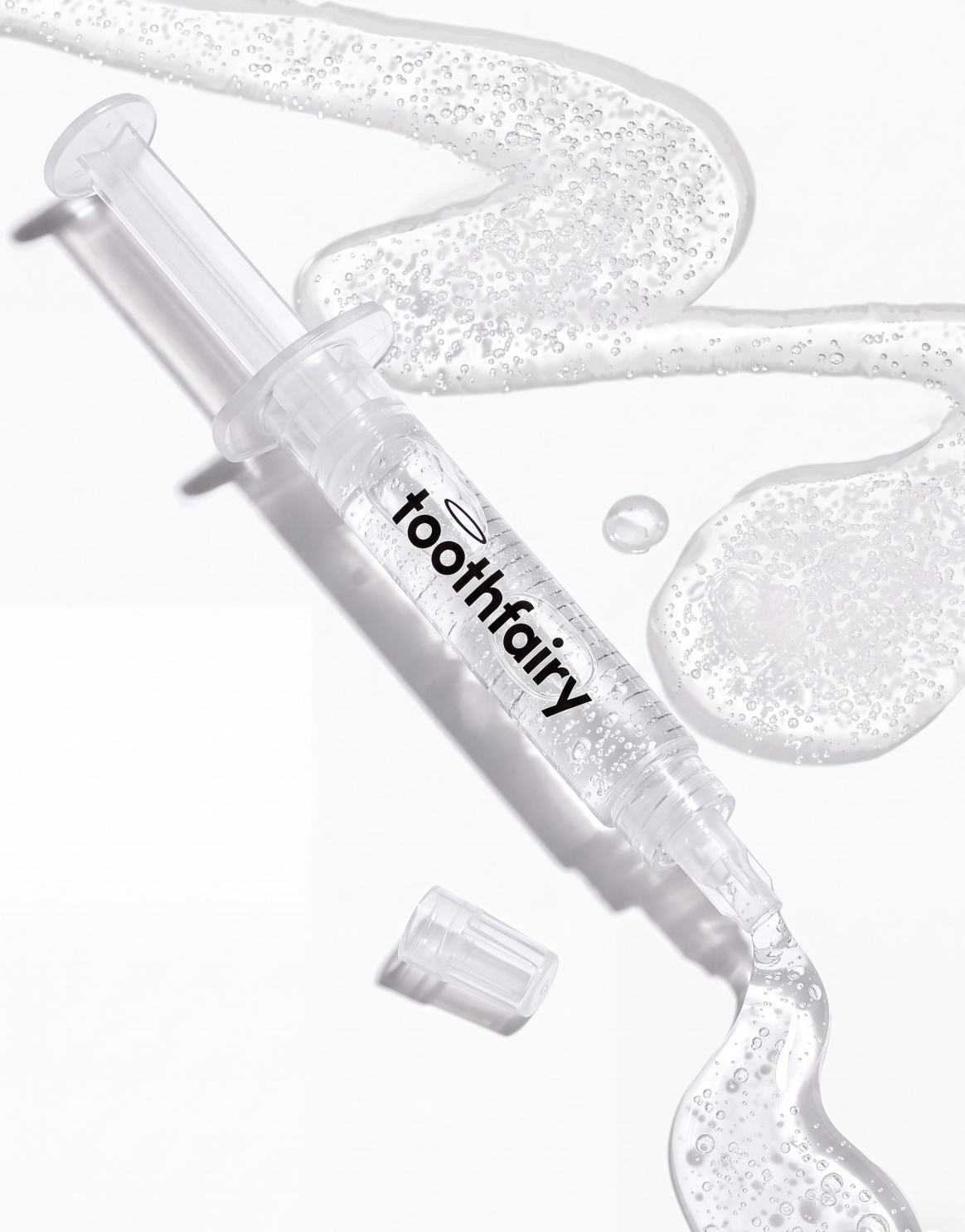
These treatments use dentist‑approved whitening gels: typically carbamide peroxide or hydrogen peroxide, to break down stain molecules and brighten your natural tooth colour.
It’s stronger, safer and more predictable than shop‑bought strips or DIY kits.
How professional smile whitening works
1. Dental assessment
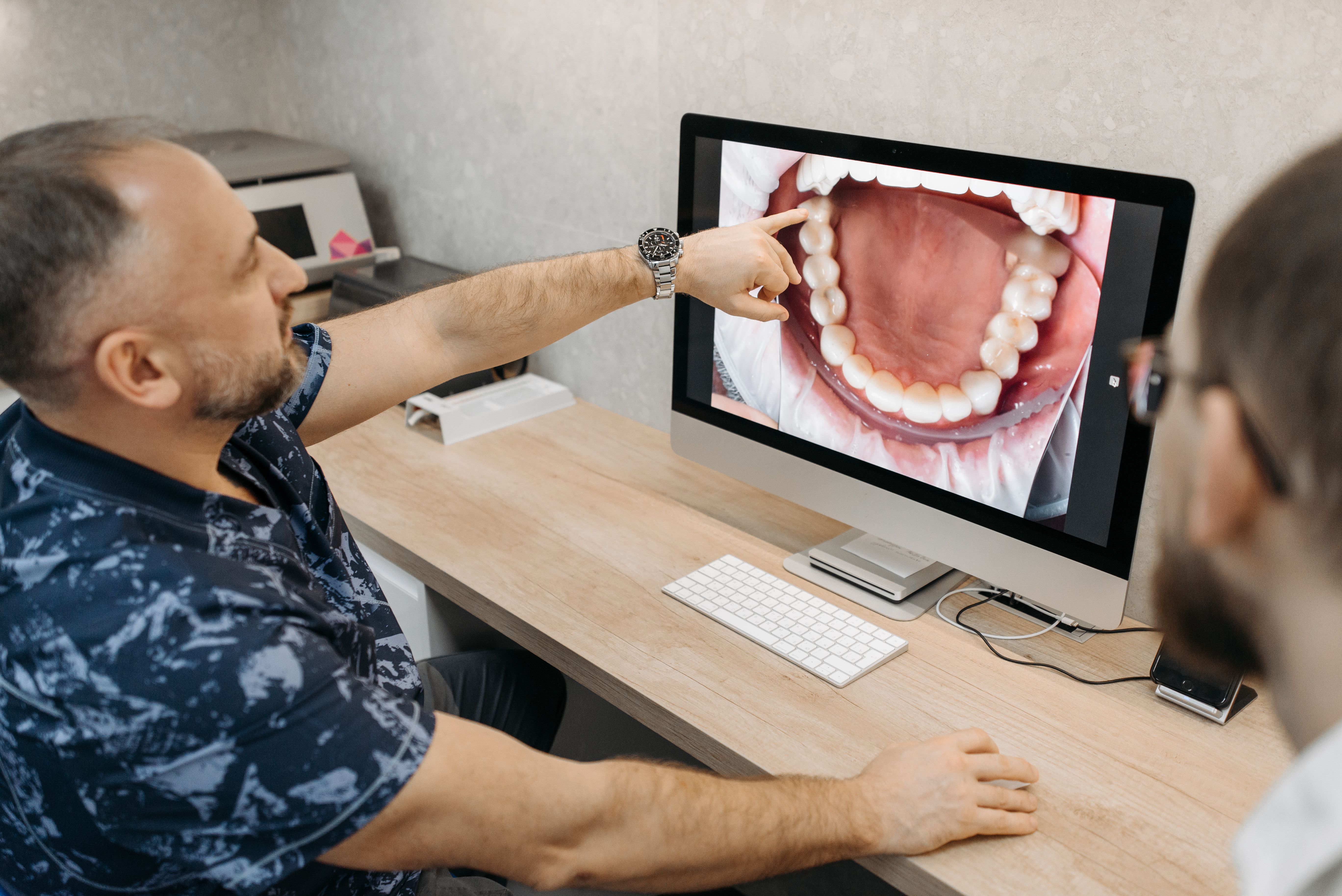
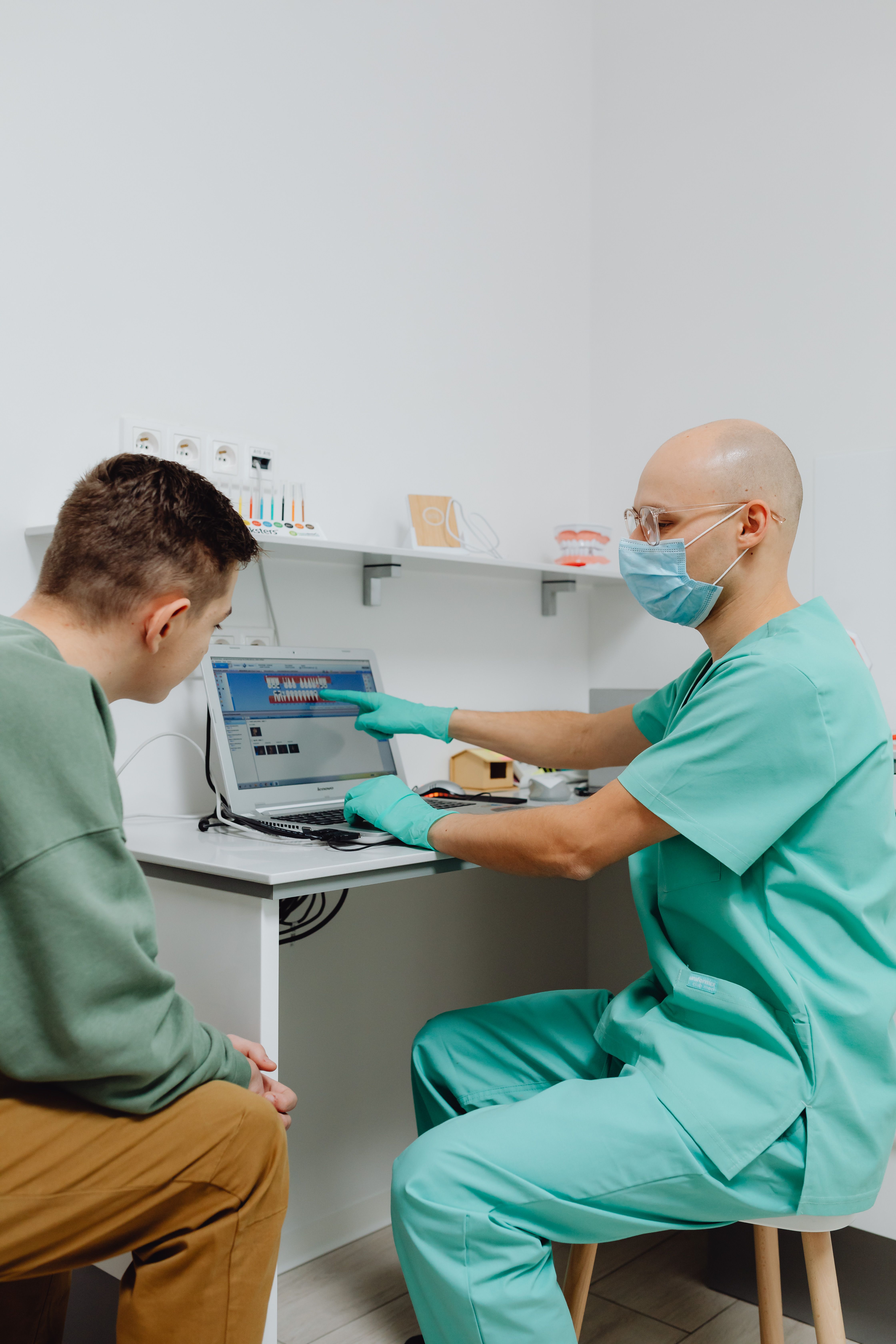
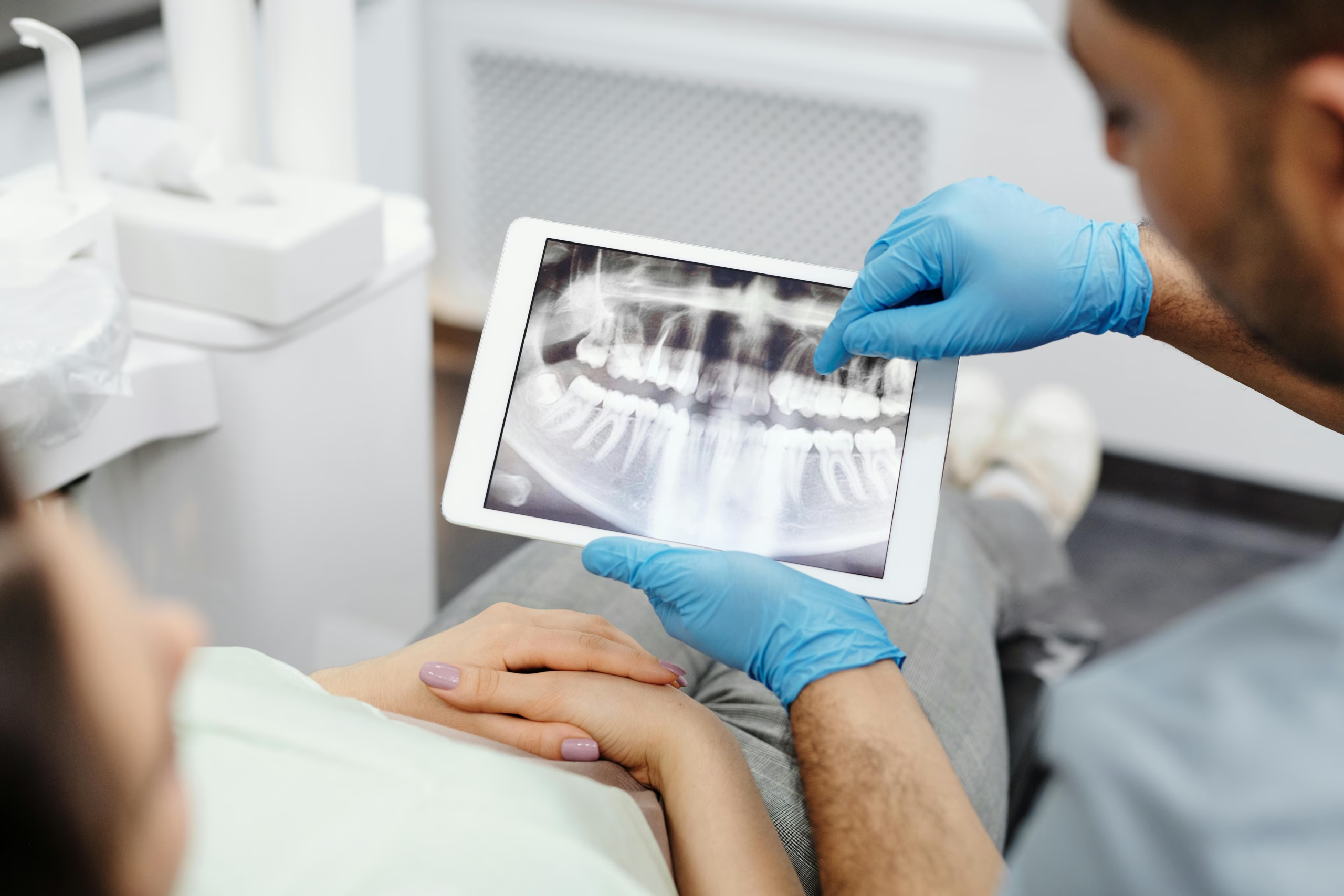
A dentist checks your teeth and gums to ensure whitening is safe.
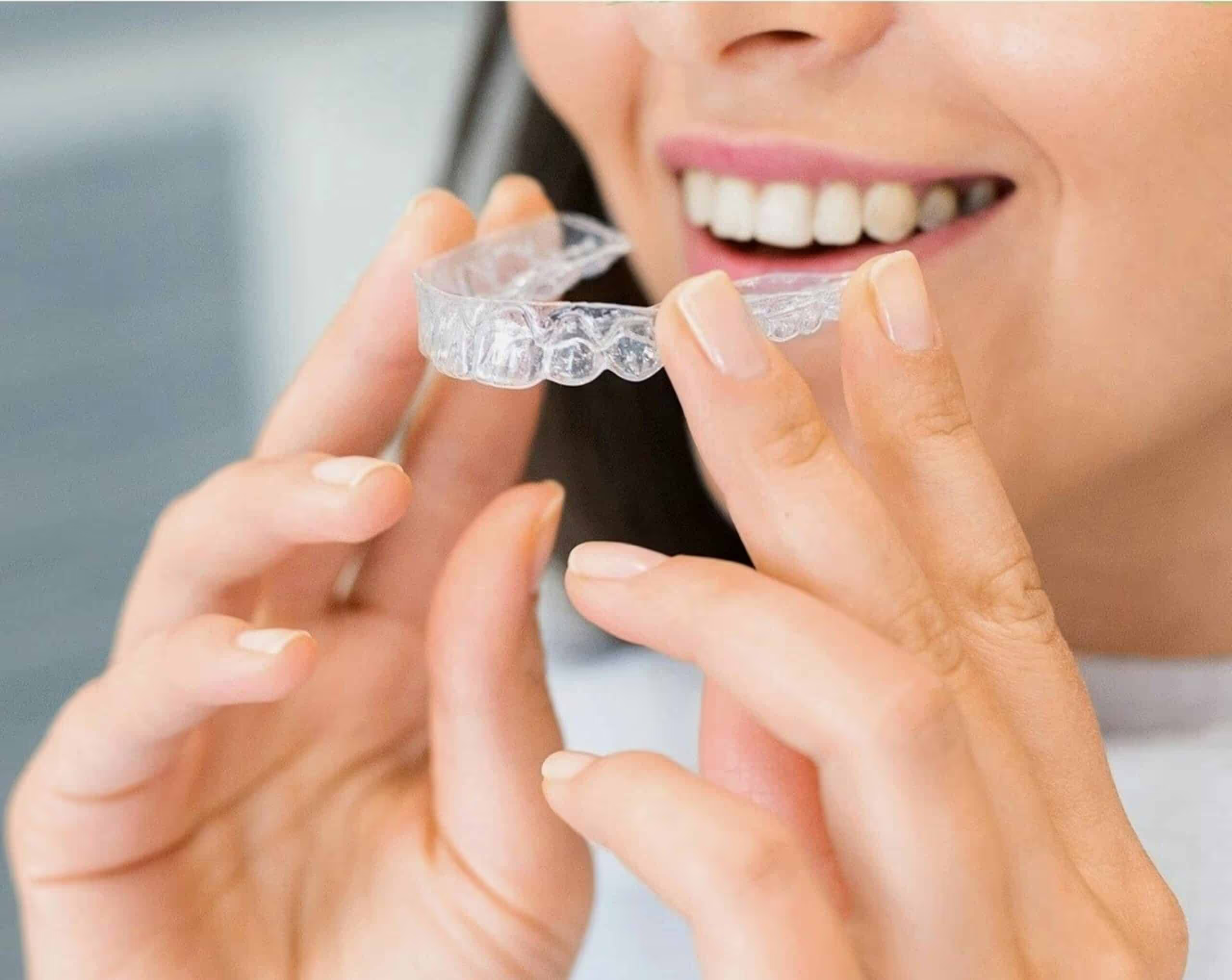
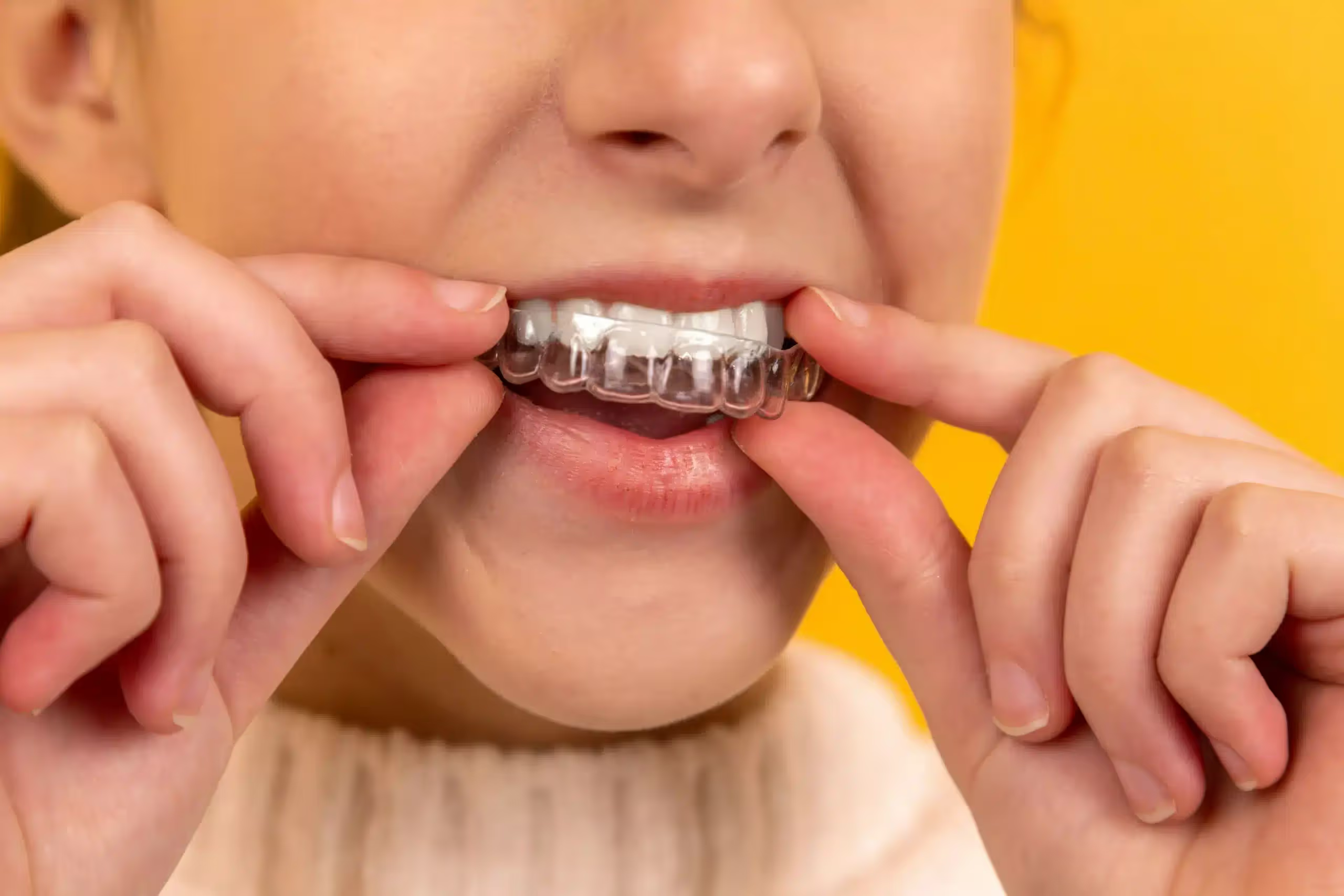
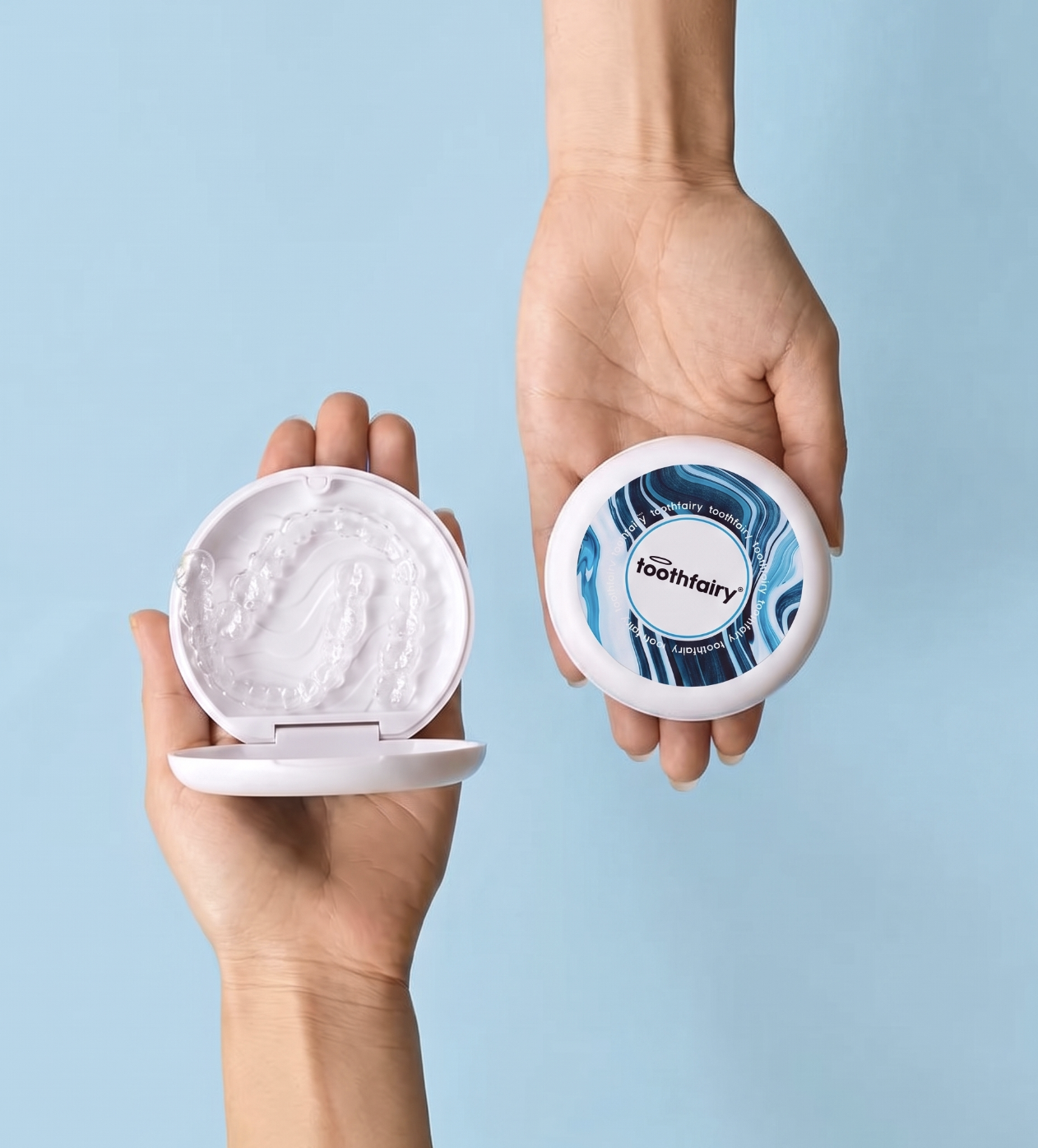
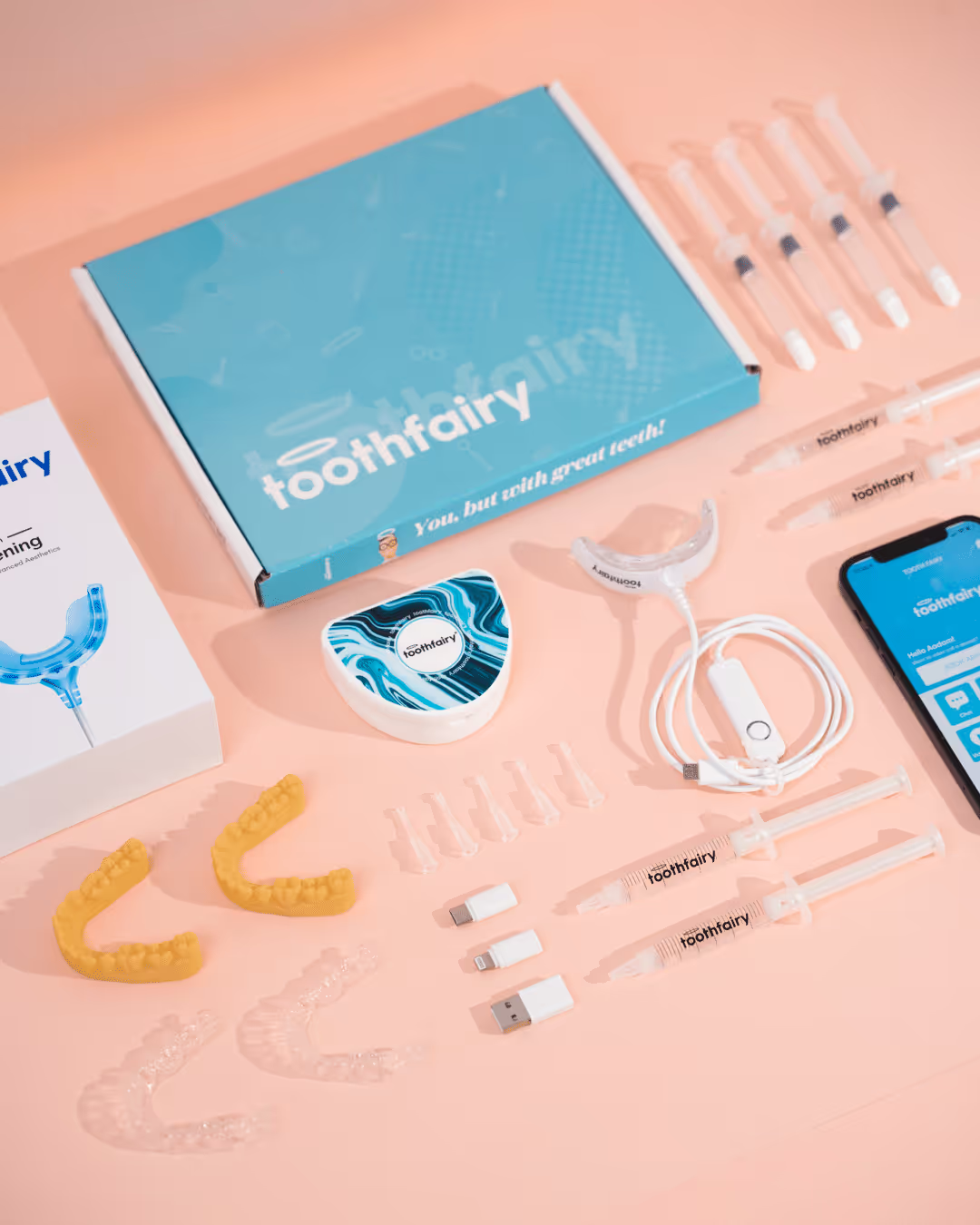
2. Custom whitening trays or in‑clinic treatment
Depending on your needs, you may receive:
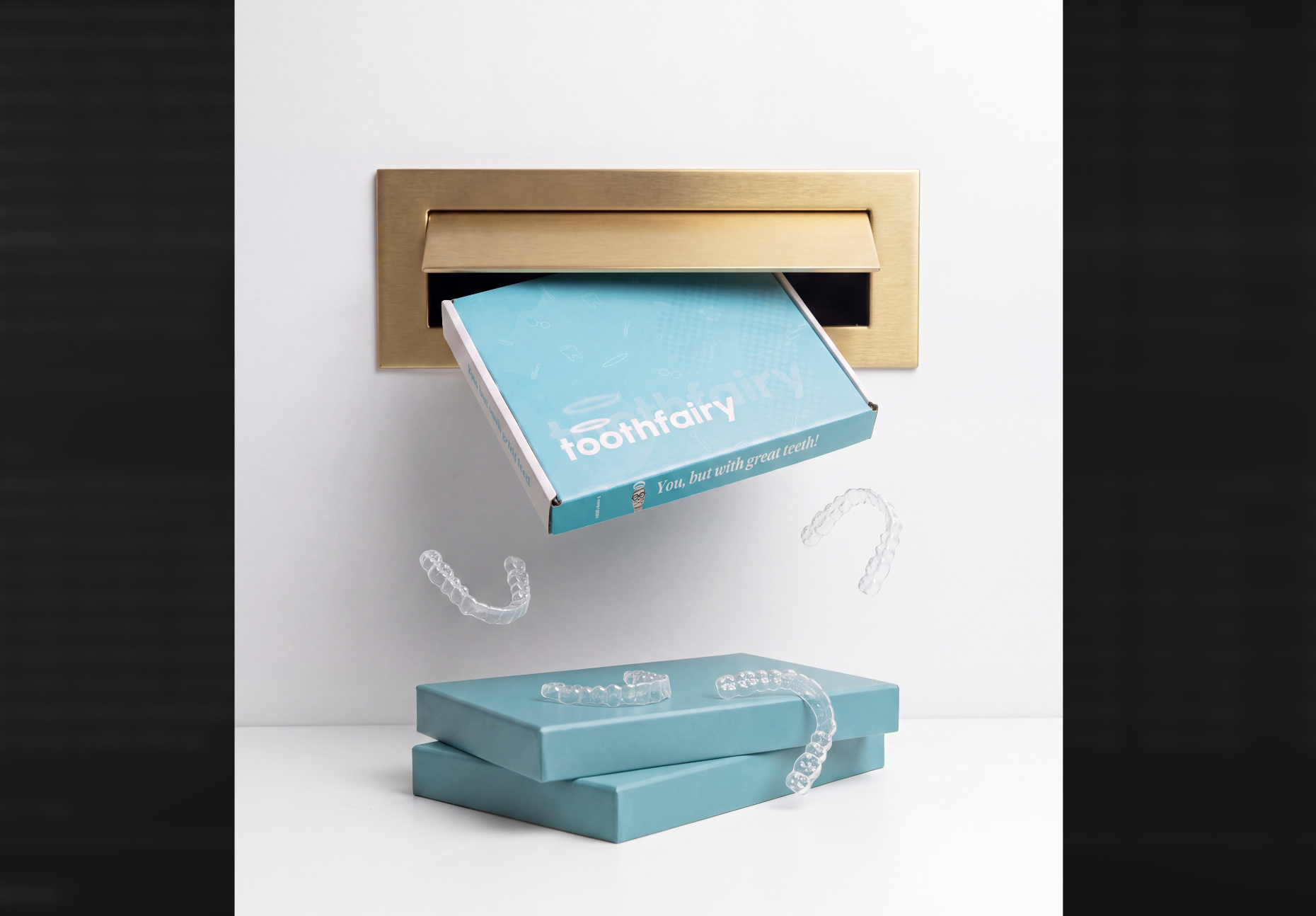
- custom‑made whitening trays
- in‑clinic whitening sessions
- or a combination of both
3. Whitening gel application
Peroxide‑based gel penetrates enamel and dissolves deep stains.
4. Gradual shade improvement
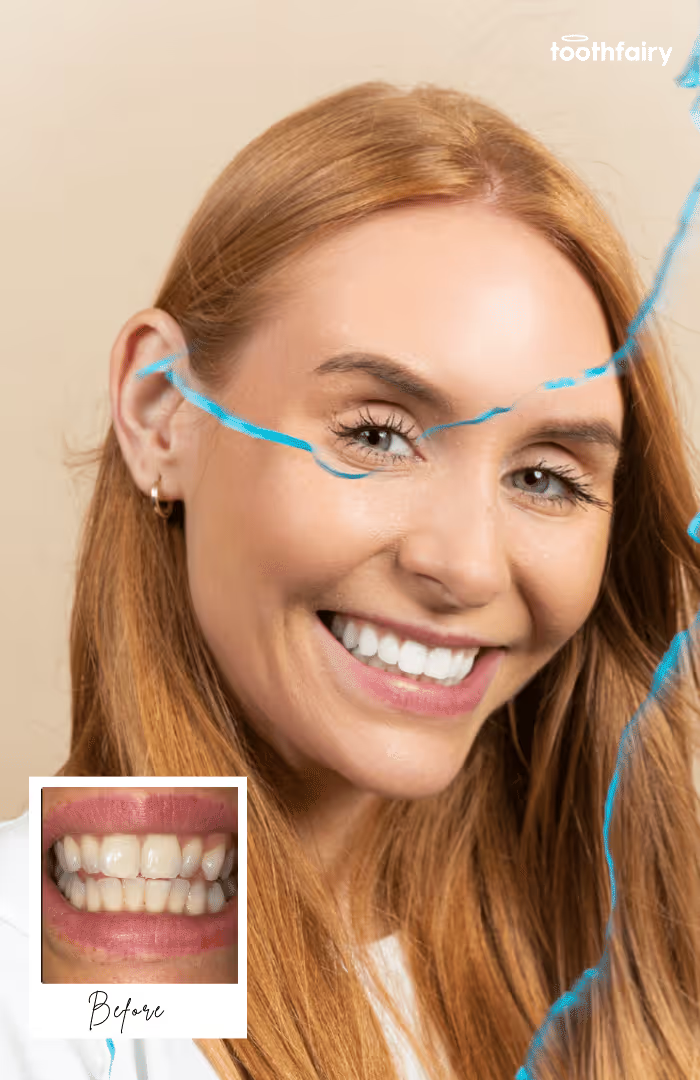
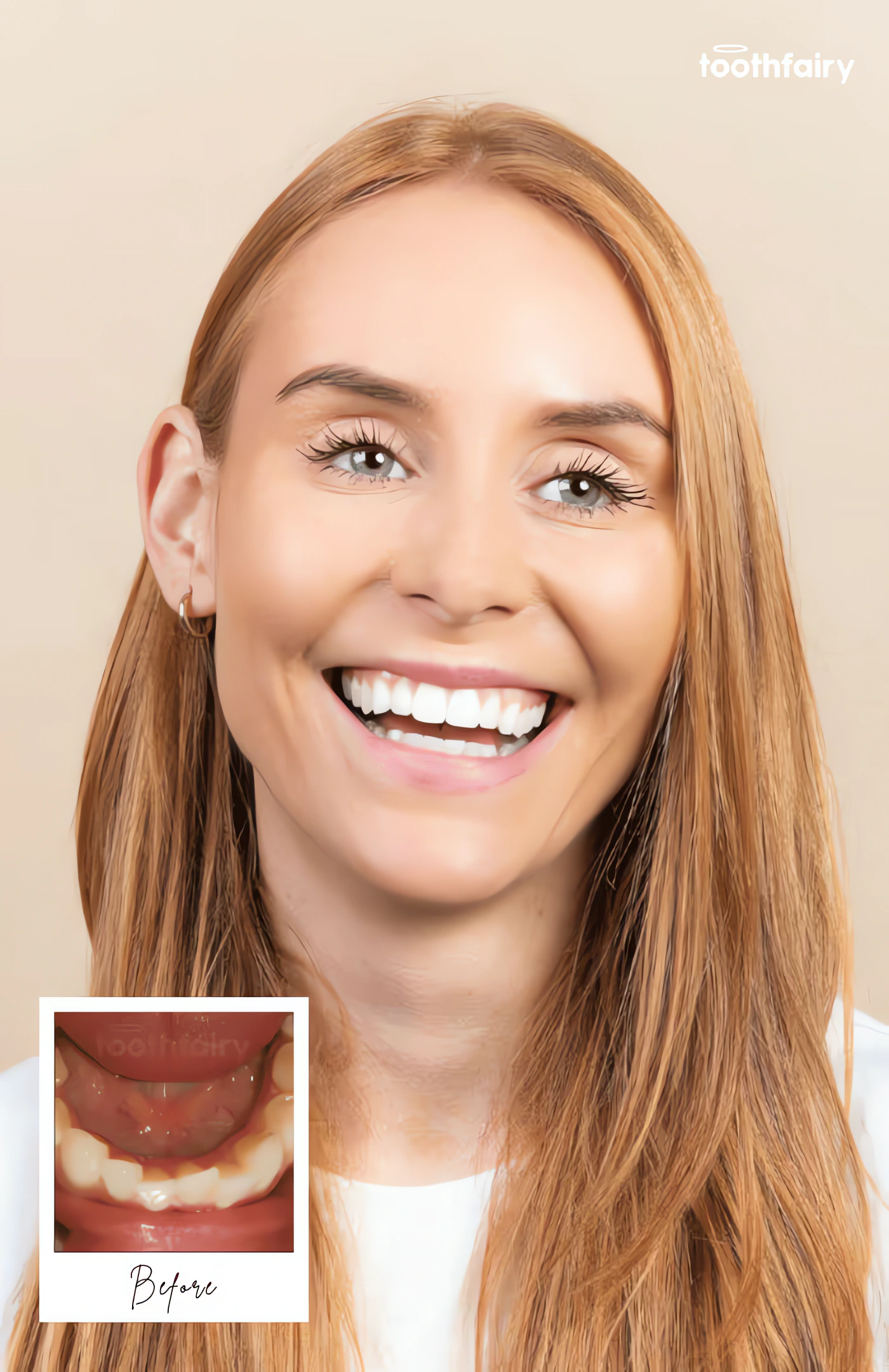
Most people see results within 7–14 days, with full brightness after 2–4 weeks.
What results can you expect?
Professional whitening can lighten teeth by several shades, especially if your staining is external (coffee, tea, red wine, smoking).
Results depend on:
- starting shade
- stain depth
- enamel thickness
- consistency
- lifestyle habits
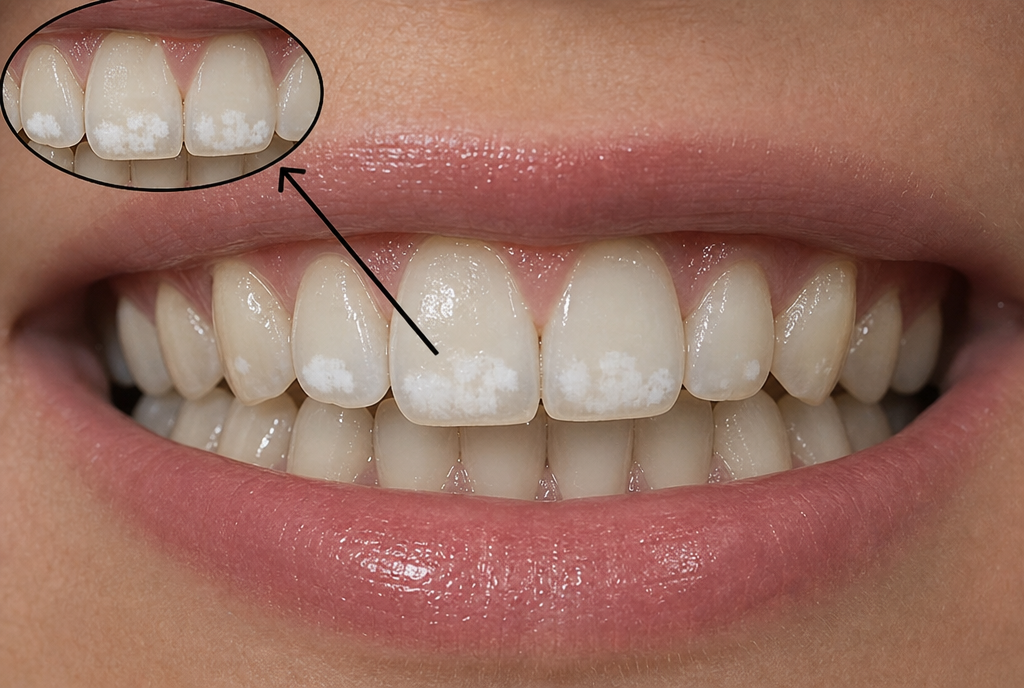
Internal stains (e.g., tetracycline, fluorosis) may require alternative treatments.
Smile dental whitening vs other whitening options
Is smile dental whitening safe?
Yes, when supervised by a dentist.
Temporary side effects may include:
- mild sensitivity
- gum irritation
- dryness
These usually settle within a few days.
Who smile whitening works best for
Great candidates
- coffee/tea drinkers
- smokers
- people with yellowing from age
- people wanting stronger results than strips
Not ideal for
- deep internal stains
- patchy discolouration
- gum recession
- untreated cavities
A dentist assessment is essential before whitening.
How to maintain whitening results
Brush twice daily with fluoride toothpaste
Keeps enamel strong.
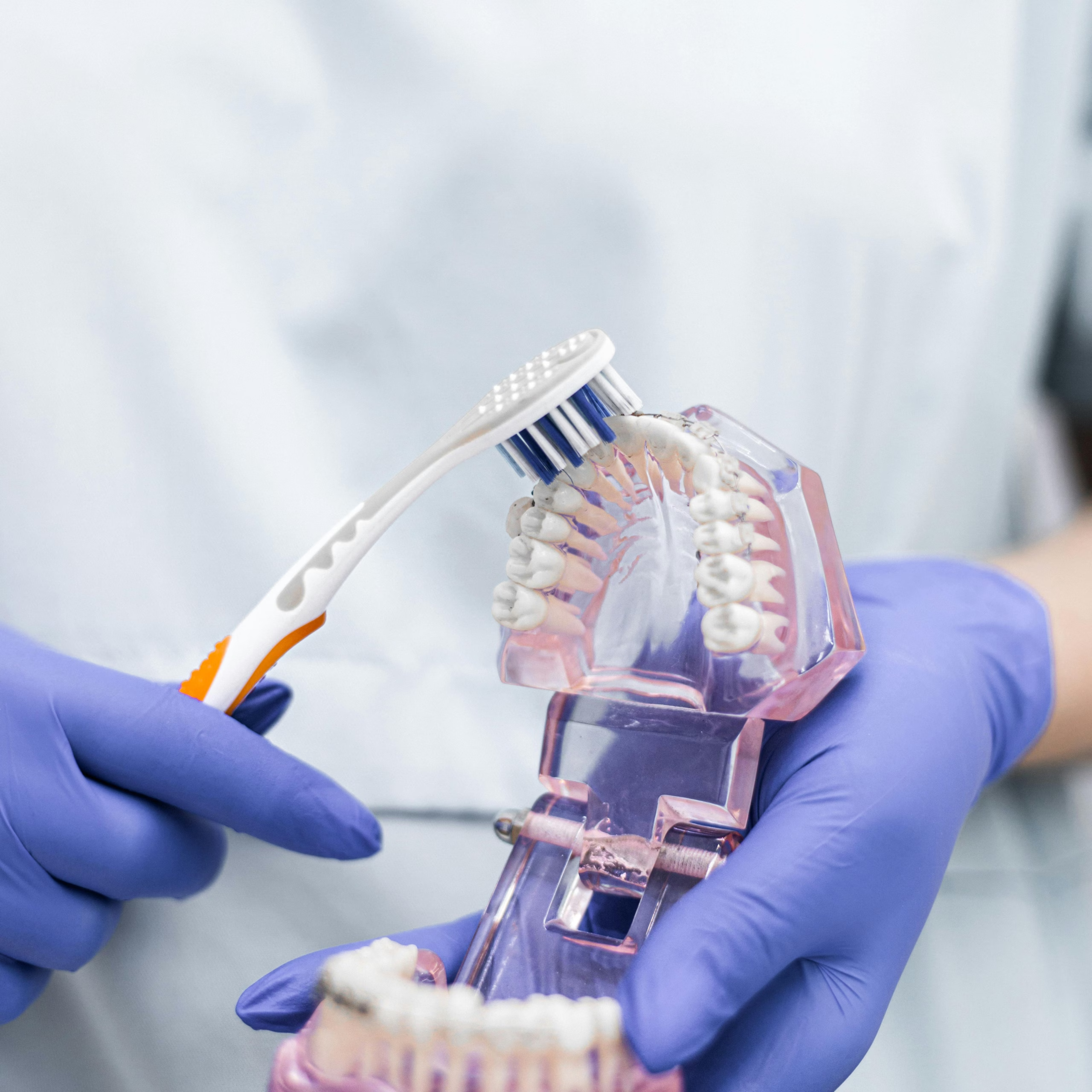
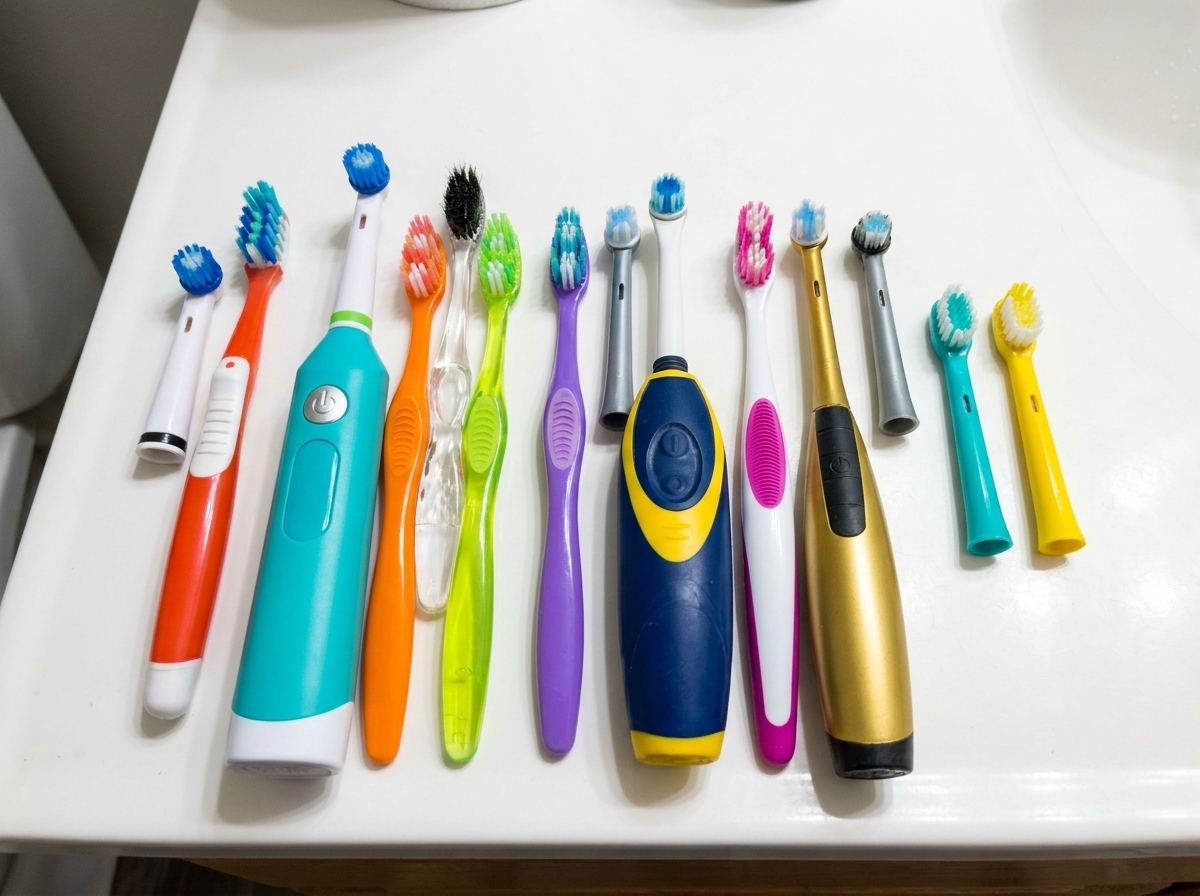
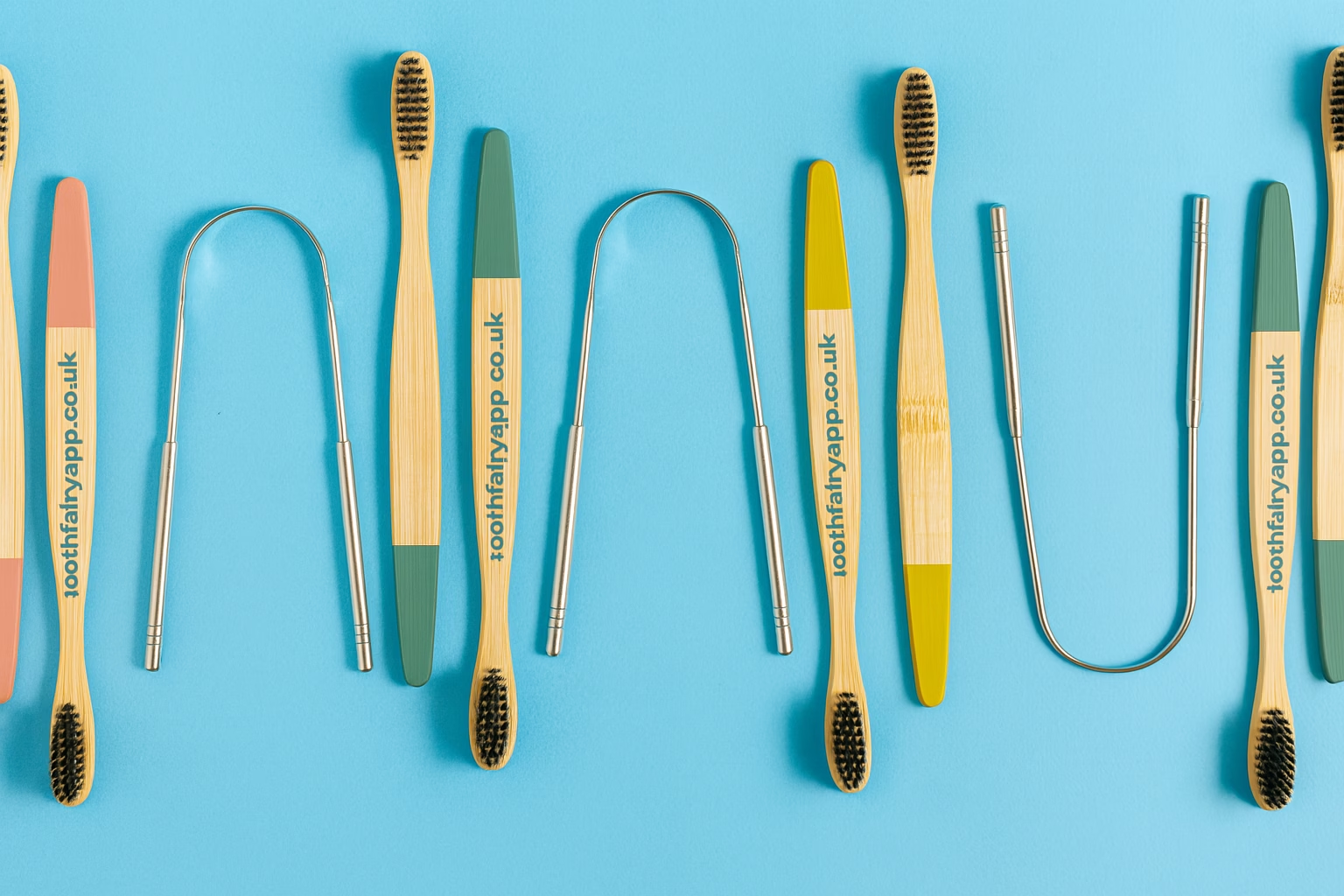
Use the Toothfairy Wand
Smart brushing helps prevent new stains and improves gum health.
Avoid staining foods for 48 hours after whitening
Coffee, tea, red wine and curry can reduce results.
Drink through a straw
Helps limit contact with staining drinks.
Attend regular dental check‑ups
Keeps gums and enamel healthy.
When to consider alternatives to smile whitening
Smile whitening may not be the best choice if you have:
- severe internal staining
- uneven enamel
- sensitivity issues
- gum recession
- lots of dental work
Dentists may recommend:
- stain‑removal cleaning
- composite bonding
- veneers
- internal bleaching (for single dark teeth)
How Toothfairy supports whitening decisions
Photo‑based assessments
Upload images to check whether smile whitening is suitable for your teeth.
Dentist‑led advice
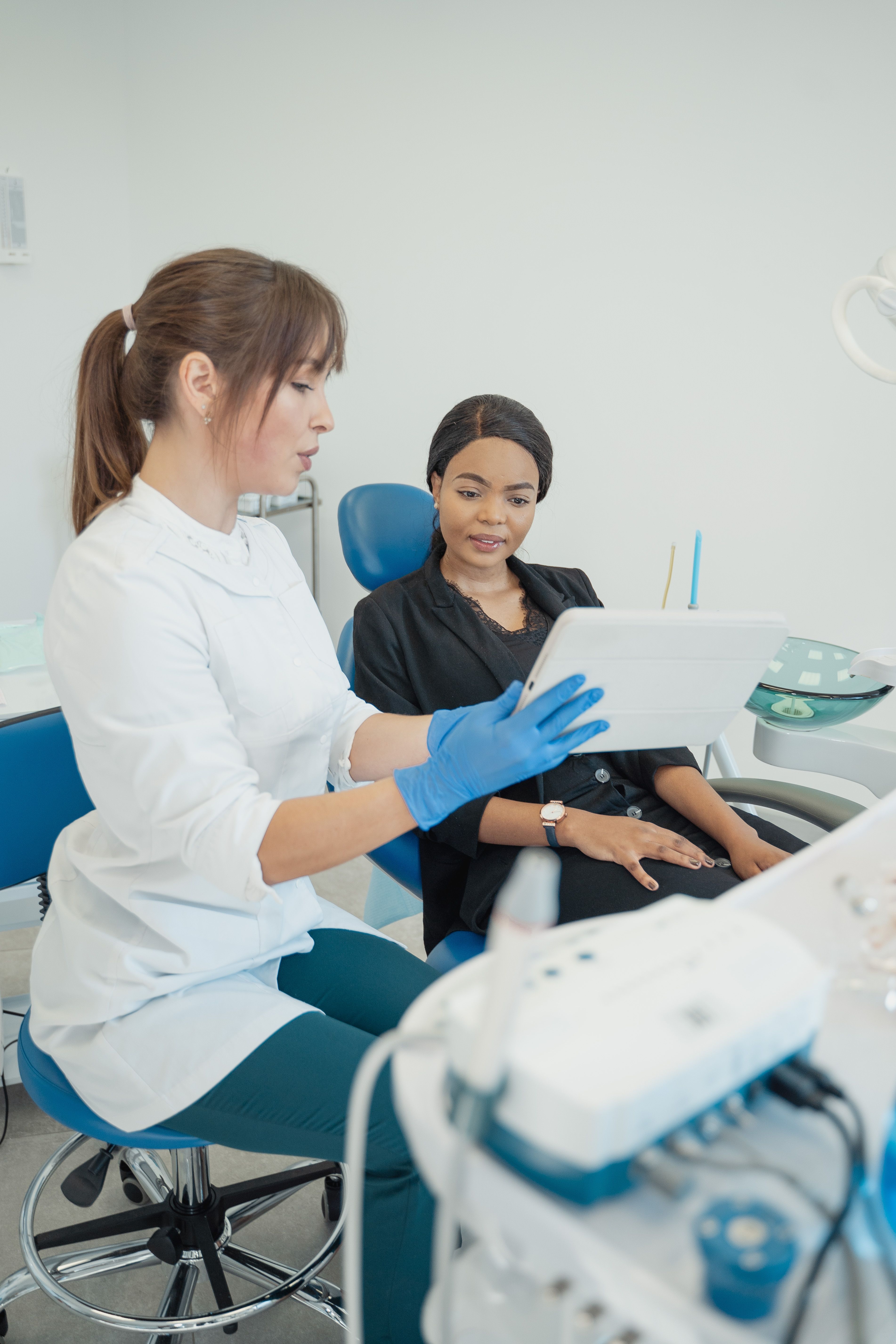
Get personalised guidance on whitening strength, safety and expected results.
Support for sensitivity
Dentists can recommend safe ways to reduce discomfort.
Clear next steps
Know whether strips, gels or professional whitening are best for your teeth.











.jpg)





.jpg)















.jpg)