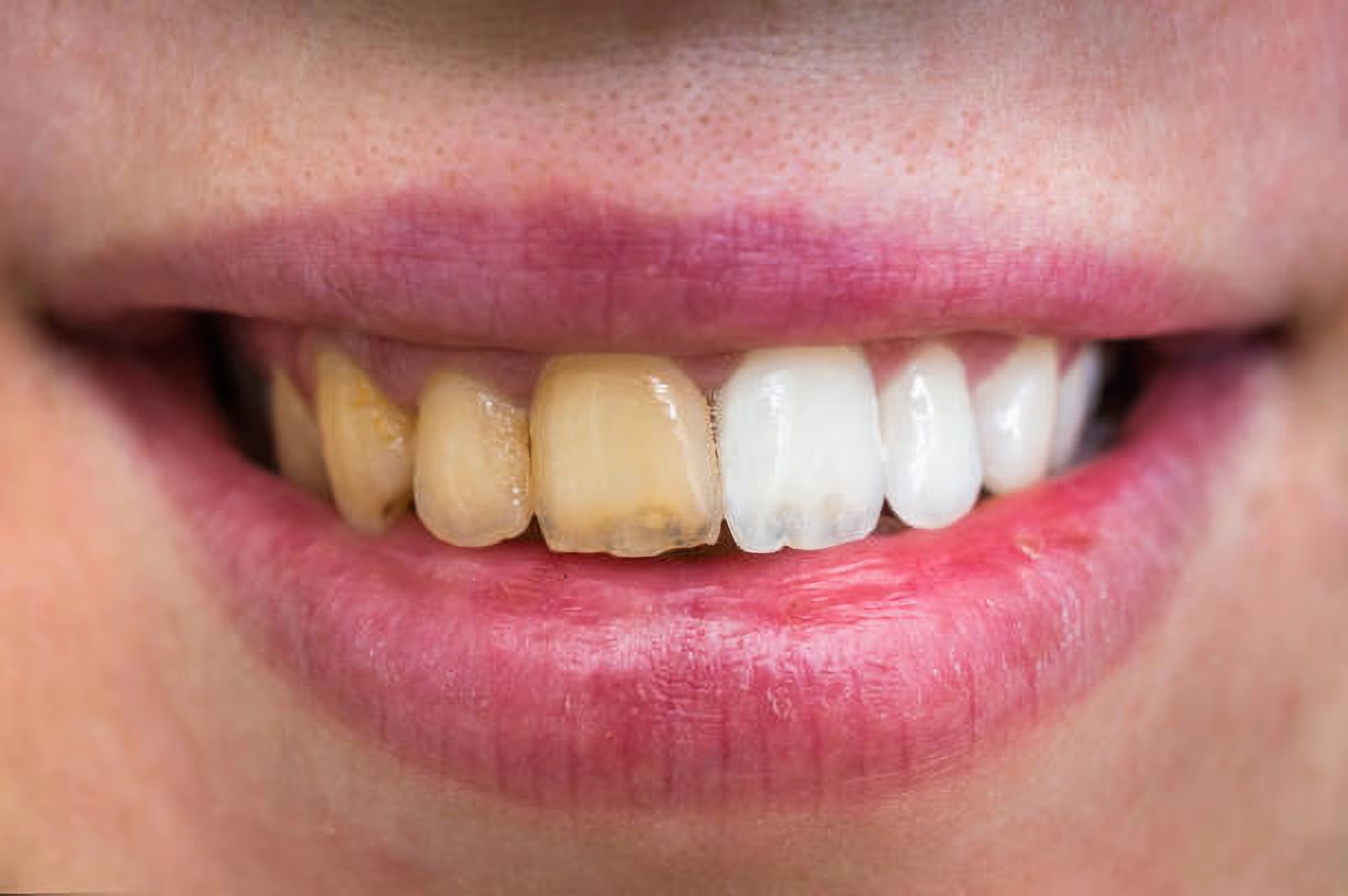

Why gums bleed in the first place
Healthy gums shouldn’t bleed when brushing or flossing. When they do, it’s usually because the gum tissue is irritated or inflamed. The most common reason is plaque buildup - a soft, sticky layer that forms around the gumline and triggers sensitivity.
Other factors can also make gums more reactive, including brushing too hard, hormonal changes, smoking or certain medications.
Common causes of bleeding gums
1. Plaque and gum inflammation
Plaque irritates the gums and can lead to early gum disease if not removed regularly.
2. Brushing too aggressively
Hard scrubbing can damage gum tissue and cause bleeding.
3. Not flossing regularly
Skipping flossing allows plaque to build between teeth, where bleeding often starts.
4. Hormonal changes
Pregnancy, puberty and certain medications can make gums more sensitive.
5. Smoking or vaping
These reduce blood flow to the gums and make inflammation more likely.
6. Vitamin deficiencies
Low vitamin C or K can contribute to gum bleeding.
How to stop bleeding gums
When bleeding gums need extra attention
Bleeding that lasts more than a week
Persistent bleeding can be a sign of gum disease.
Swelling or tenderness
Inflamed gums often need professional assessment.
Bad breath that doesn’t go away
This can indicate plaque buildup below the gumline.
Loose teeth
A sign of advanced gum issues that should be checked quickly.
Bleeding without brushing
Spontaneous bleeding should always be reviewed by a dentist.
How Toothfairy helps with bleeding gums
Photo‑based gum assessments
Upload images to get quick guidance from a dentist.
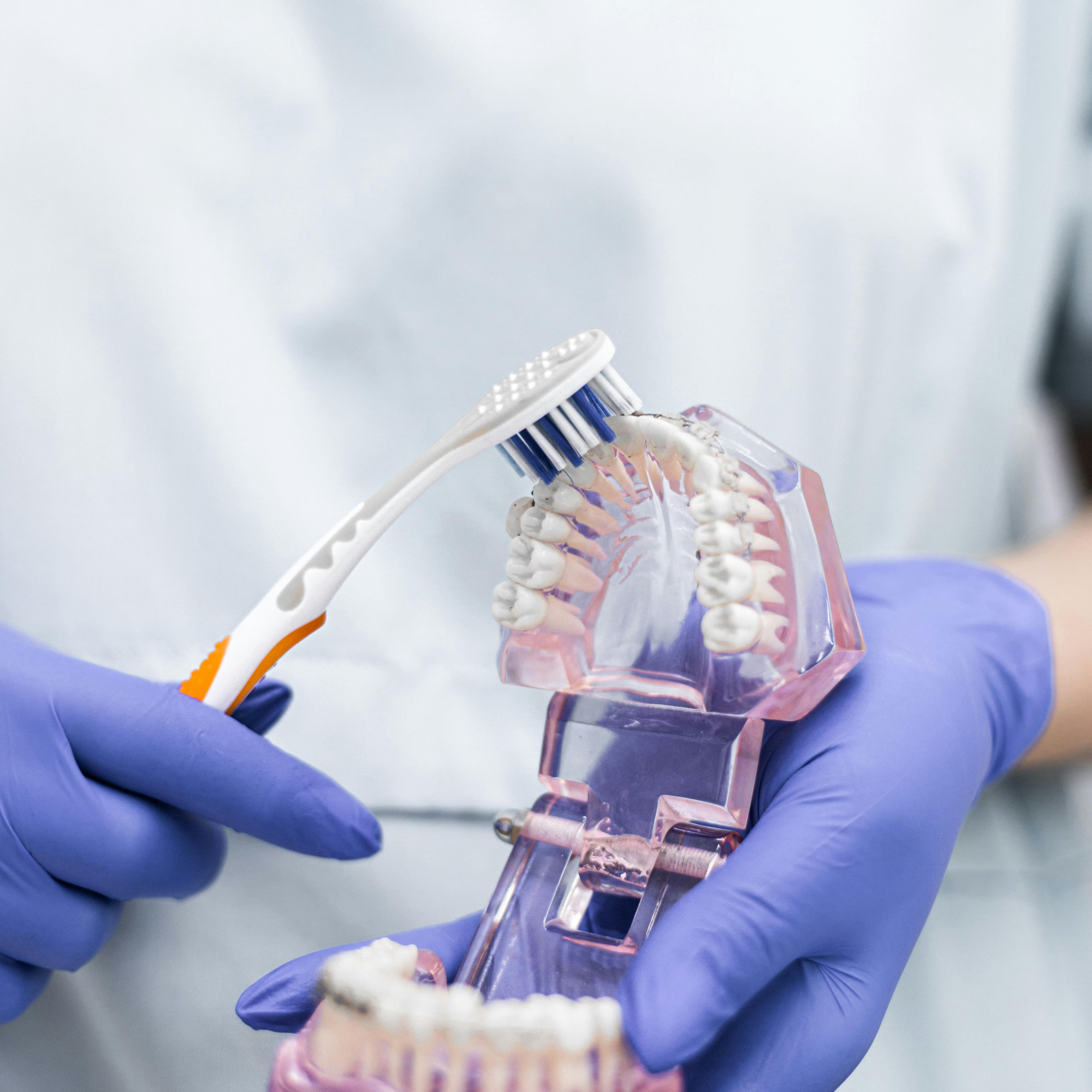
Advice on brushing technique
Small changes can make a big difference to gum health.
Support for gum inflammation
Dentists can recommend safe steps to calm irritation.
Clear next steps
You’ll know whether you can manage the issue at home or need an in‑person visit.



















.jpg)





.jpg)
















.jpg)