
Why hidden sugars matter for your teeth
Sugar itself isn’t the direct cause of decay - it’s how bacteria in your mouth react to it. When sugar sits on your teeth, bacteria feed on it and produce acids that weaken enamel. Hidden sugars make this process harder to control because you may not realise how often you’re consuming them.
Where hidden sugars are commonly found
1. Sauces and condiments
Ketchup, BBQ sauce, sweet chilli sauce and salad dressings often contain more sugar than expected.
2. “Healthy” snacks
Granola bars, dried fruit, smoothies and flavoured yoghurts can be high in natural or added sugars.
3. Drinks
Fruit juices, iced coffees, energy drinks and flavoured waters can contain multiple teaspoons of sugar per serving.
4. Bread and baked goods
Many breads, wraps and pastries include added sugar for flavour and texture.
5. Ready meals
Pre‑made meals often use sugar to enhance taste or balance acidity.
6. Low‑fat or “diet” products
Sugar is frequently added to improve flavour when fat is removed.
Common hidden sugars
How hidden sugars affect your teeth
They feed bacteria
Sugar fuels bacteria that produce acids, weakening enamel.
They increase plaque buildup
More sugar means more plaque, especially around the gumline.
They contribute to gum inflammation
Sugary diets can worsen bleeding gums and early gum disease.
They cause enamel erosion
Acidic sugary drinks soften enamel, making it easier to wear away.
How to reduce hidden sugar damage
Check labels carefully
Look for multiple sugar names - they often appear more than once.
Limit sugary drinks
Switch to water, sparkling water or unsweetened alternatives.
Rinse after eating
A quick rinse helps wash away sugars and acids.
Use a straw for iced drinks
Reduces contact with your front teeth.
Brush twice daily
Gentle brushing removes plaque before it hardens.
Floss daily
Hidden sugars often sit between teeth where brushing can’t reach.
When hidden sugars become a problem
Frequent sensitivity
Sugars can expose dentine by weakening enamel.
Visible plaque or tartar
Sugary diets accelerate buildup.
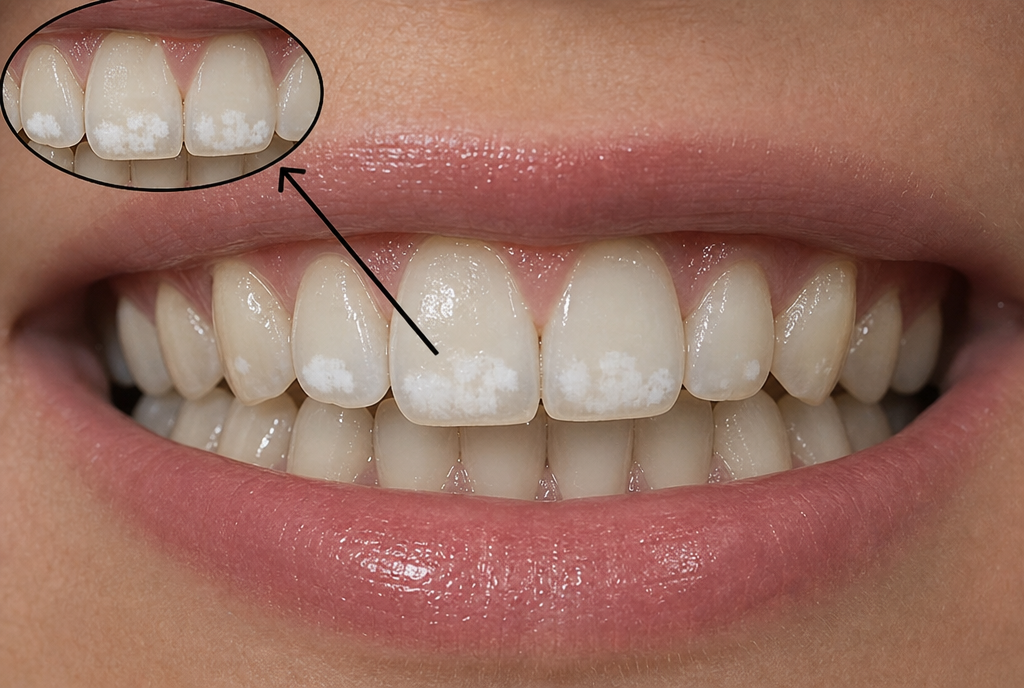
Cavities forming
Dark spots or holes indicate decay.
Bleeding gums
Sugars worsen inflammation and gum disease.
If you notice any of these, a dentist should review your teeth.
How Toothfairy helps you manage sugar‑related dental issues
Photo‑based assessments
Upload images to check for early signs of decay or gum inflammation.
Dentist‑led advice
Get personalised guidance on diet, brushing and gum care.
Support for sensitivity
Dentists can recommend safe ways to protect enamel.
Clear next steps
Know whether you can manage the issue at home or need an in‑person visit.

















.jpg)





.jpg)














.jpg)