.jpg)
What whitening strips are designed to do
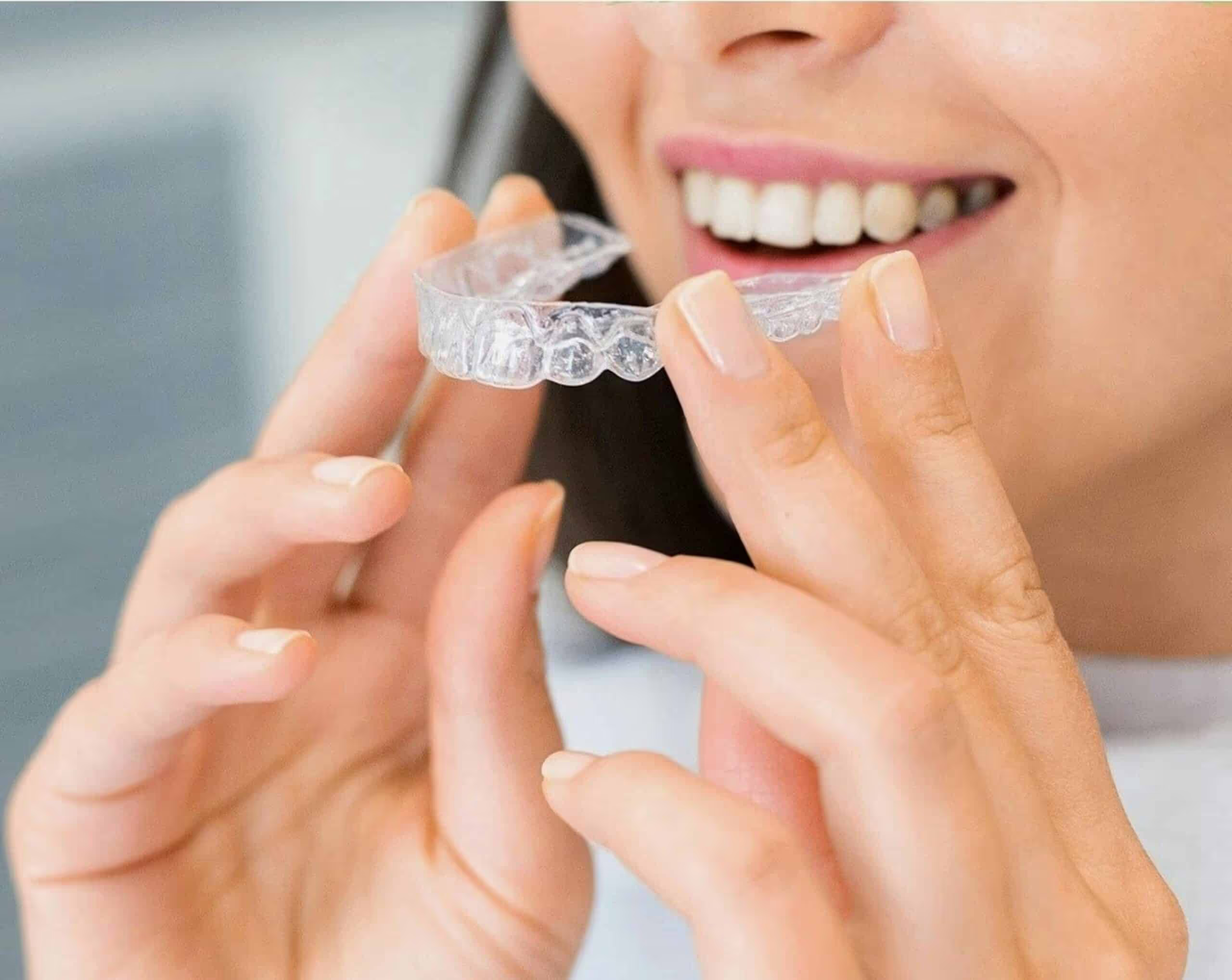
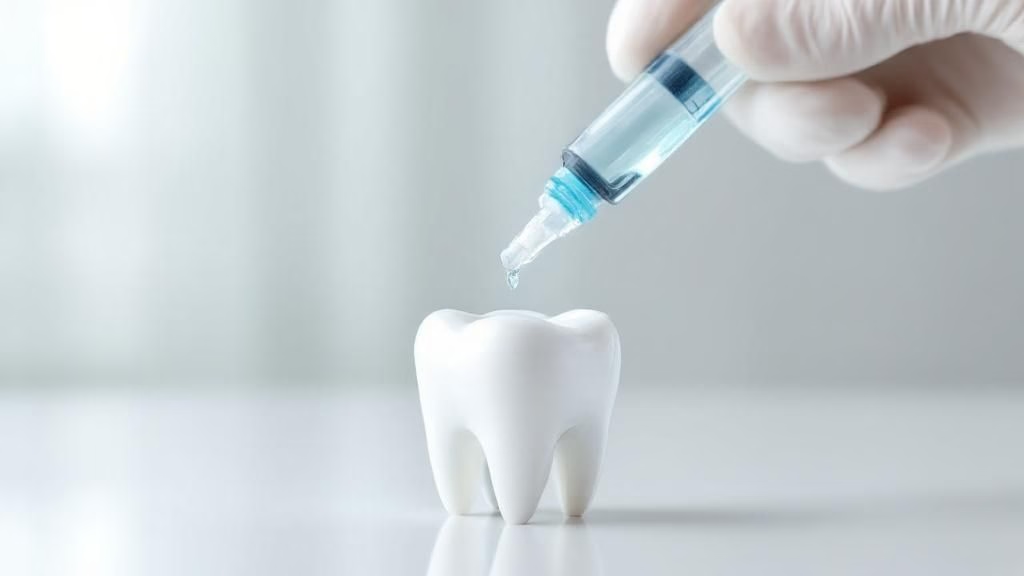
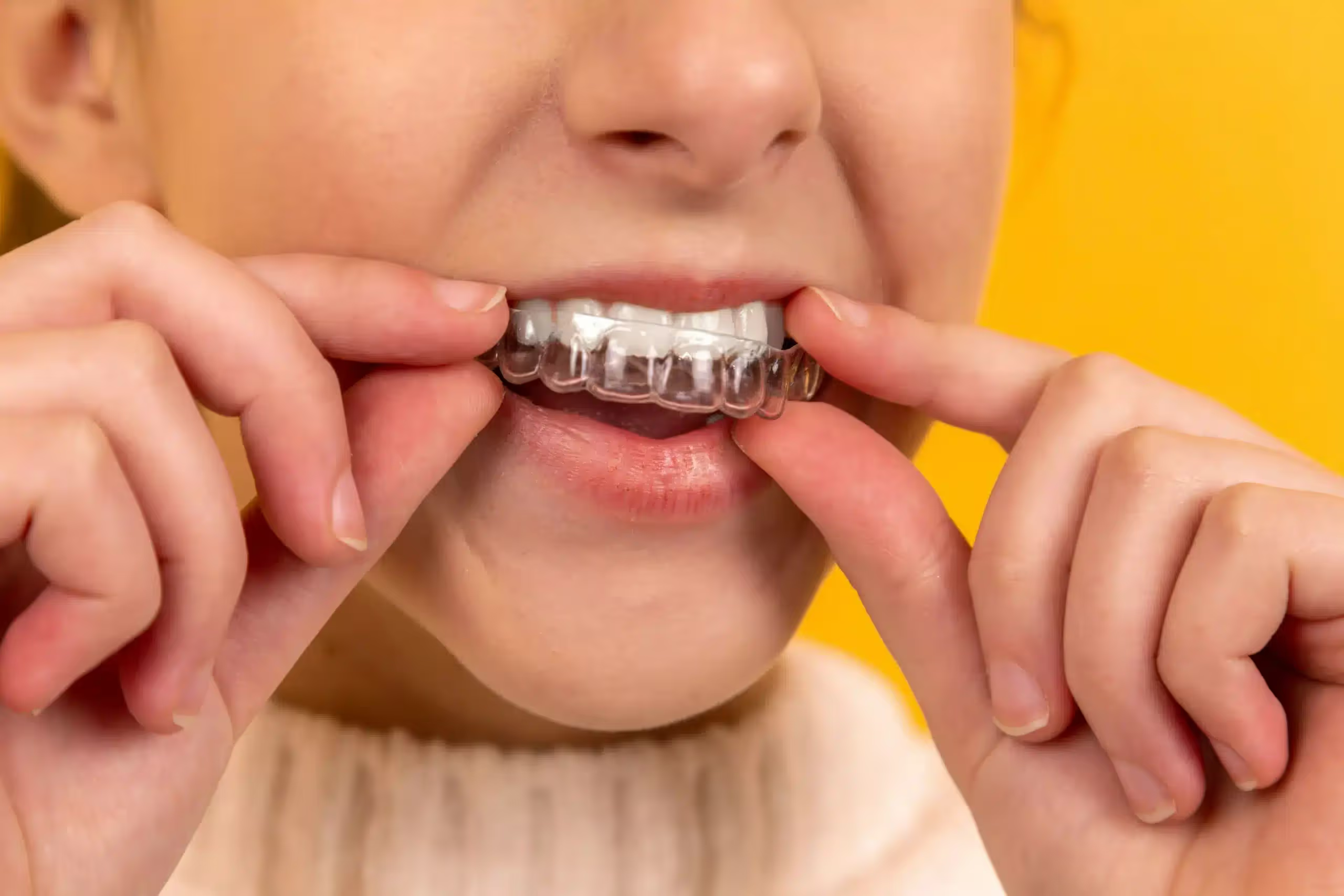
Whitening strips are thin, flexible pieces of material coated with a whitening gel. When placed on the teeth, the gel breaks down surface stains and brightens the enamel.
Most strips use hydrogen peroxide or carbamide peroxide. These ingredients are clinically proven to lighten teeth when used correctly.
How whitening strips work
Whitening strips work by:
- Breaking down stain molecules
- Lightening the outer enamel layer
- Reducing yellowing caused by food and drink
- Improving overall brightness
The gel stays in contact with the teeth for a set amount of time, allowing the whitening ingredient to work gradually.
What results you can expect
Whitening strips can improve tooth shade by:
- 1 to 3 shades for most people
- More noticeable results with consistent use
- Best results on surface staining
- Mild improvement on deeper staining
They are effective, but not as strong as dentist led whitening.
Who whitening strips work best for
Whitening strips are most effective for people with:
- Mild staining
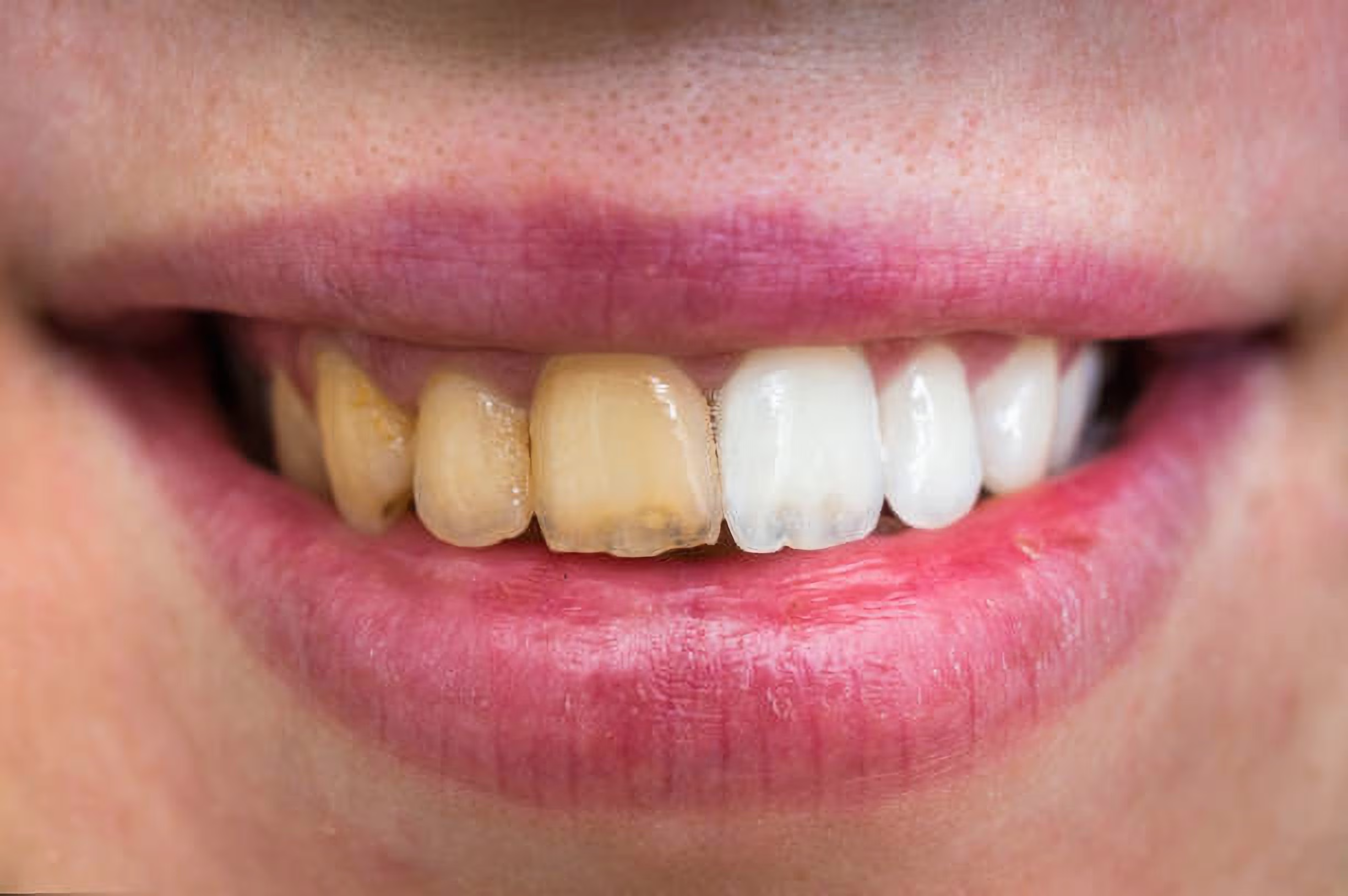
- Coffee or tea discoloration
- Yellowing from everyday habits
- No dental sensitivity
- No active dental problems
They are not ideal for people with severe staining or underlying dental issues.
When whitening strips may not work well
Whitening strips have limitations. They may not work well if you have:
- Deep internal staining
- Stains caused by medication
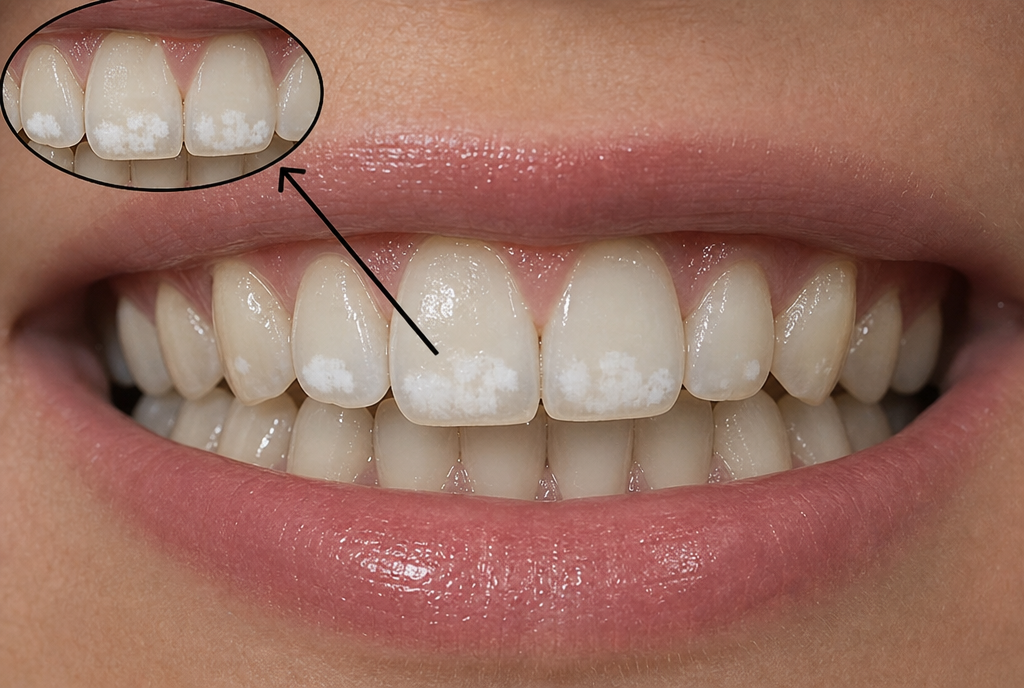
- Fluorosis
- Tetracycline staining
- Dental restorations
- Crowns or veneers
These do not respond to peroxide based whitening.
Whitening strips vs dentist whitening
Are whitening strips safe
Whitening strips are safe when used correctly. However, you may experience:
- Temporary sensitivity
- Mild gum irritation
- Dryness
- Uneven whitening if strips are not applied properly
Dentist led whitening reduces these risks.
How to get the best results from whitening strips
To improve your results:
- Follow the instructions carefully
- Avoid eating or drinking immediately after use
- Apply strips evenly
- Use them consistently
- Avoid staining foods during treatment
- Keep teeth clean before applying
Consistency is the biggest factor in achieving noticeable whitening.
When to choose dentist whitening instead
Dentist whitening may be better if you want:
- Faster results
- Stronger whitening
- Treatment for deeper stains
- Professional guidance
- Reduced sensitivity
- A predictable outcome
Dentist led whitening is more powerful and more controlled.
How ToothFairy helps
Virtual whitening assessments
Upload photos and get personalised advice from a dentist.
Safe whitening guidance
Dentists explain which whitening method suits your teeth.
Professional whitening options
Access dentist led whitening directly through the app.
Sensitivity support
Get advice if your teeth feel uncomfortable during whitening.
When to speak to a dentist
You should seek advice if you experience:
- Strong sensitivity
- Gum irritation
- Uneven whitening
- No improvement after several uses
- Staining that keeps returning
A dentist can help identify the cause and recommend the right treatment.
Your whitening strip questions answered
Do whitening strips actually work
Yes. They lighten teeth when used consistently.
Are they as strong as dentist whitening
No. Dentist whitening is more powerful.
Can strips damage enamel
Not when used correctly.
How long do results last
Several months with good oral hygiene.















.jpg)





.jpg)















.jpg)