What IPR is
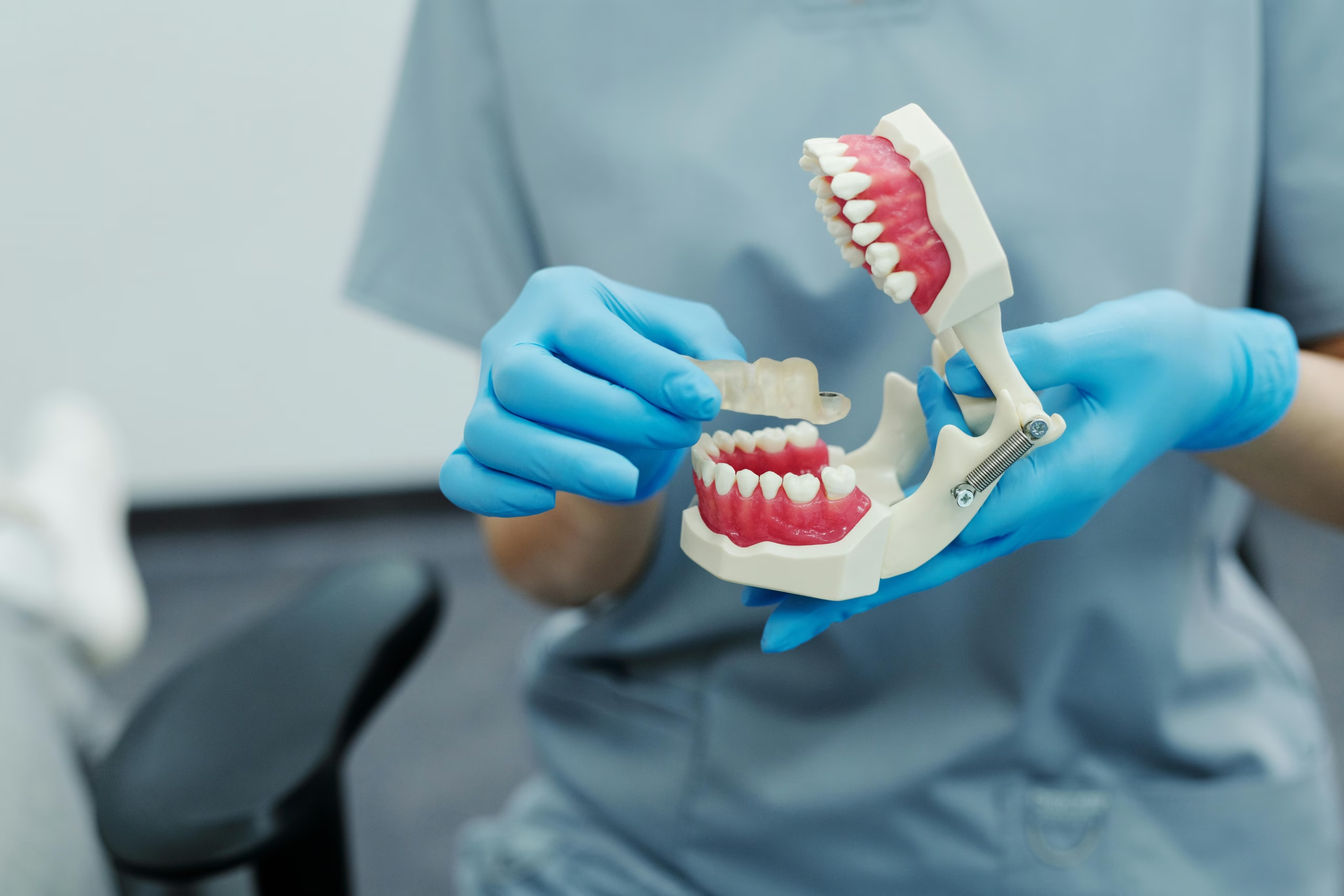
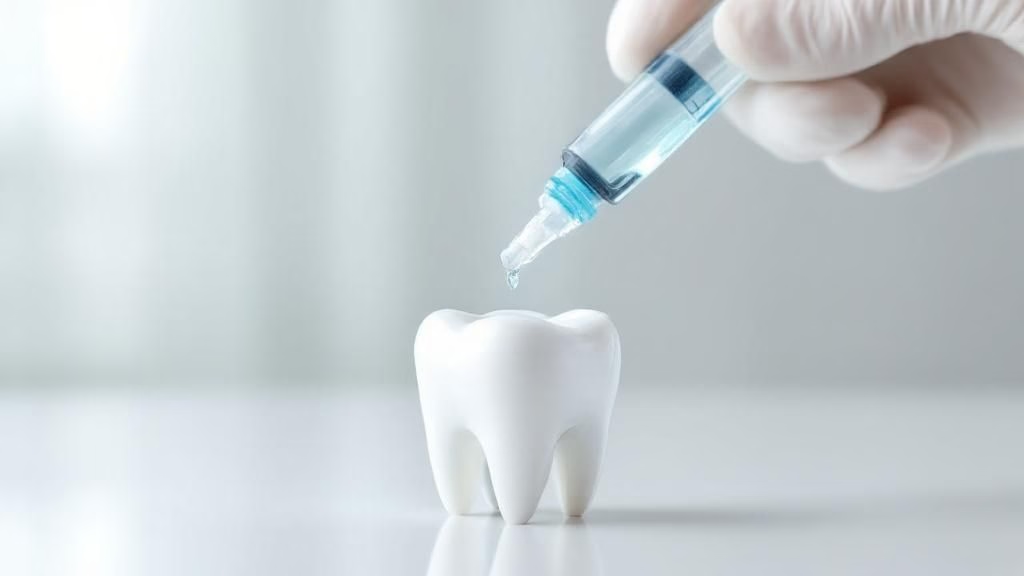
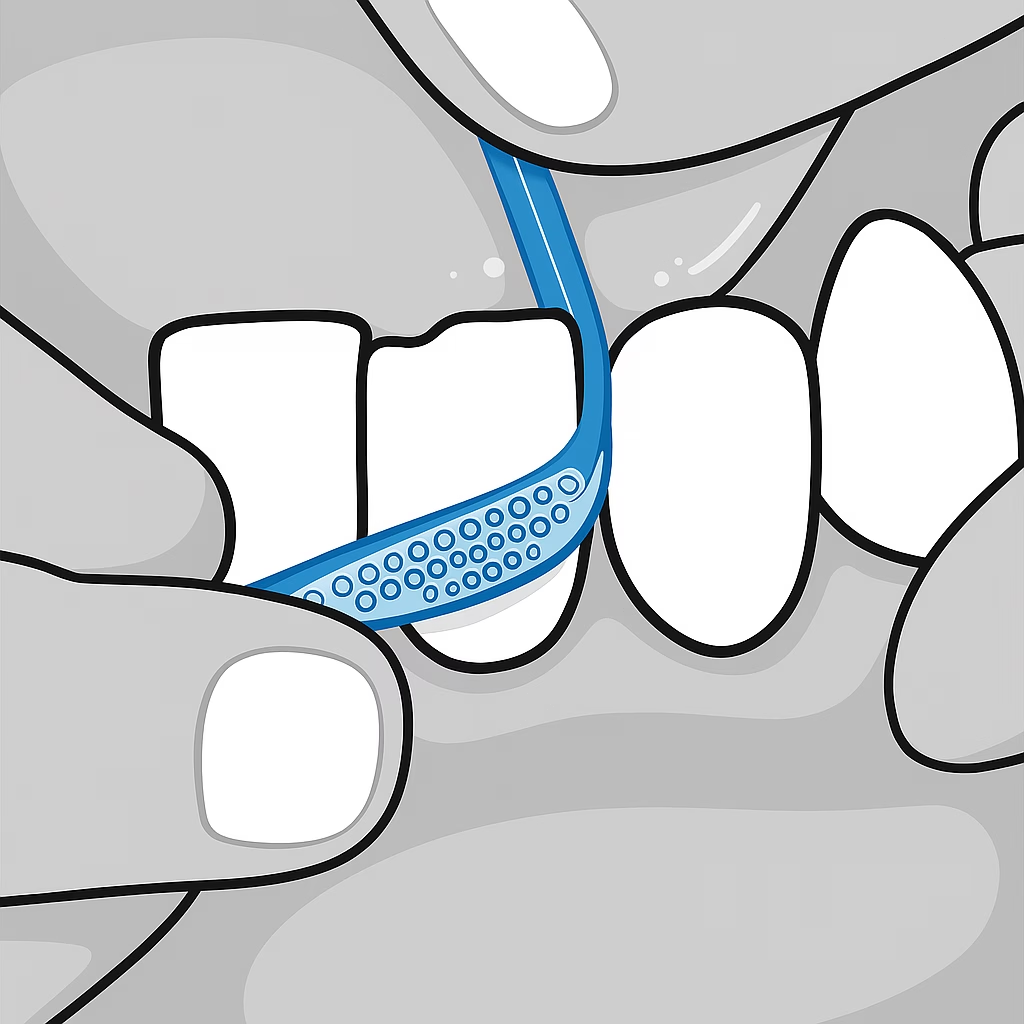
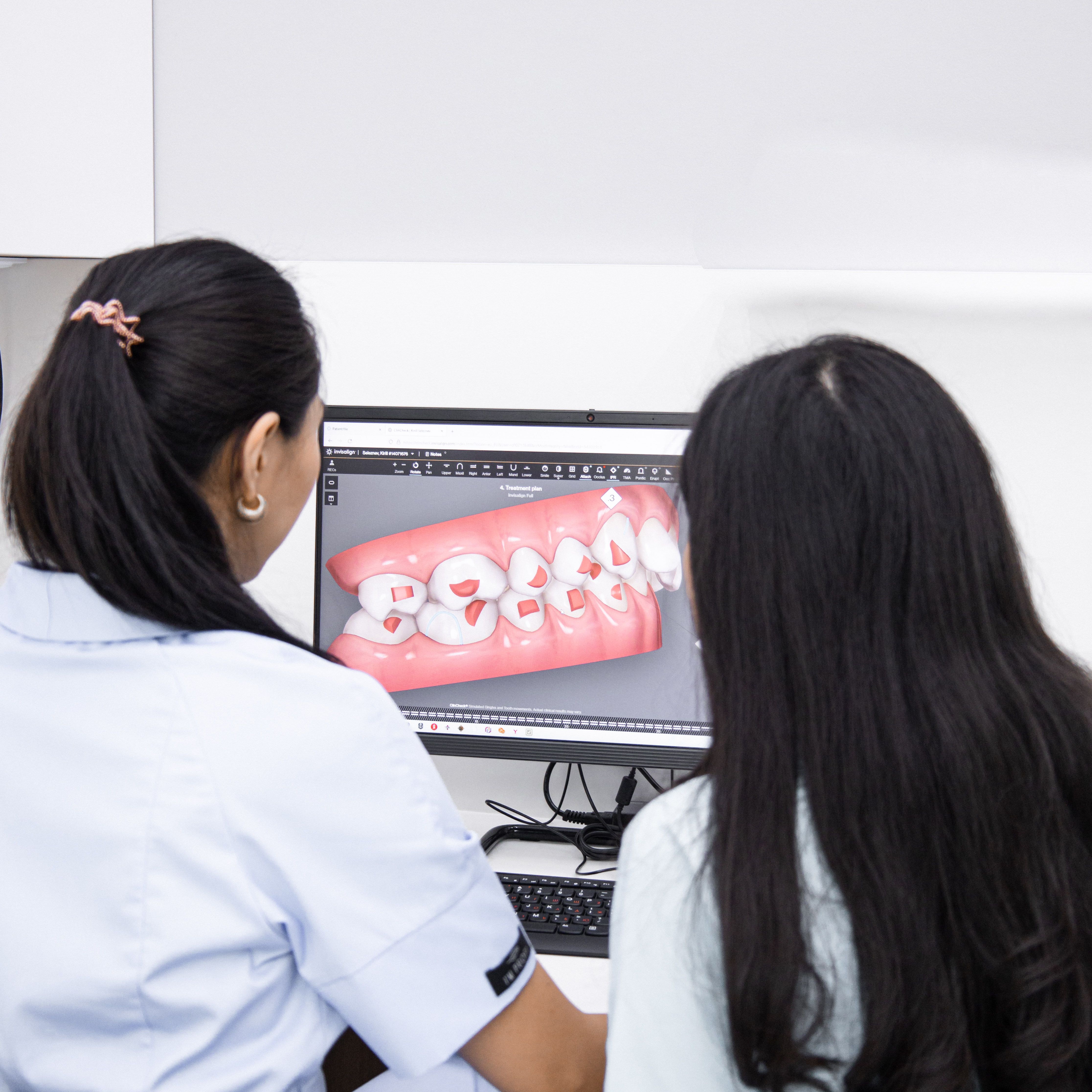
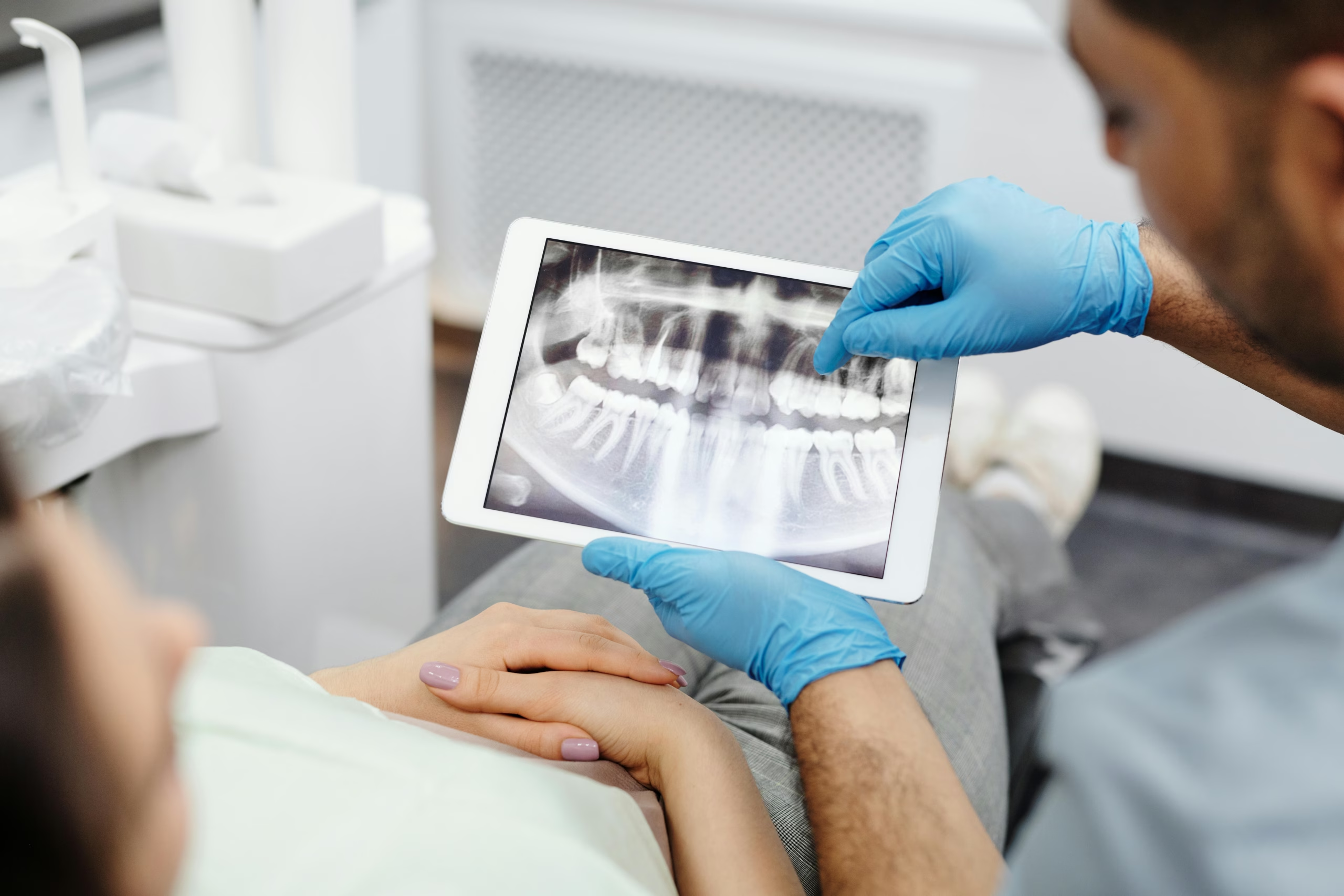
IPR stands for interproximal reduction. It involves gently polishing or reshaping the sides of selected teeth to create tiny amounts of space. This helps teeth move more efficiently during straightening treatment.
IPR does not damage teeth. It removes only a very small amount of enamel, often less than the thickness of a fingernail.
Why dentists use IPR
IPR is used when teeth need a little extra room to align properly. It helps:
- Reduce crowding
- Improve tooth rotation
- Prevent unwanted flaring
- Create balanced spacing
- Support predictable aligner movement
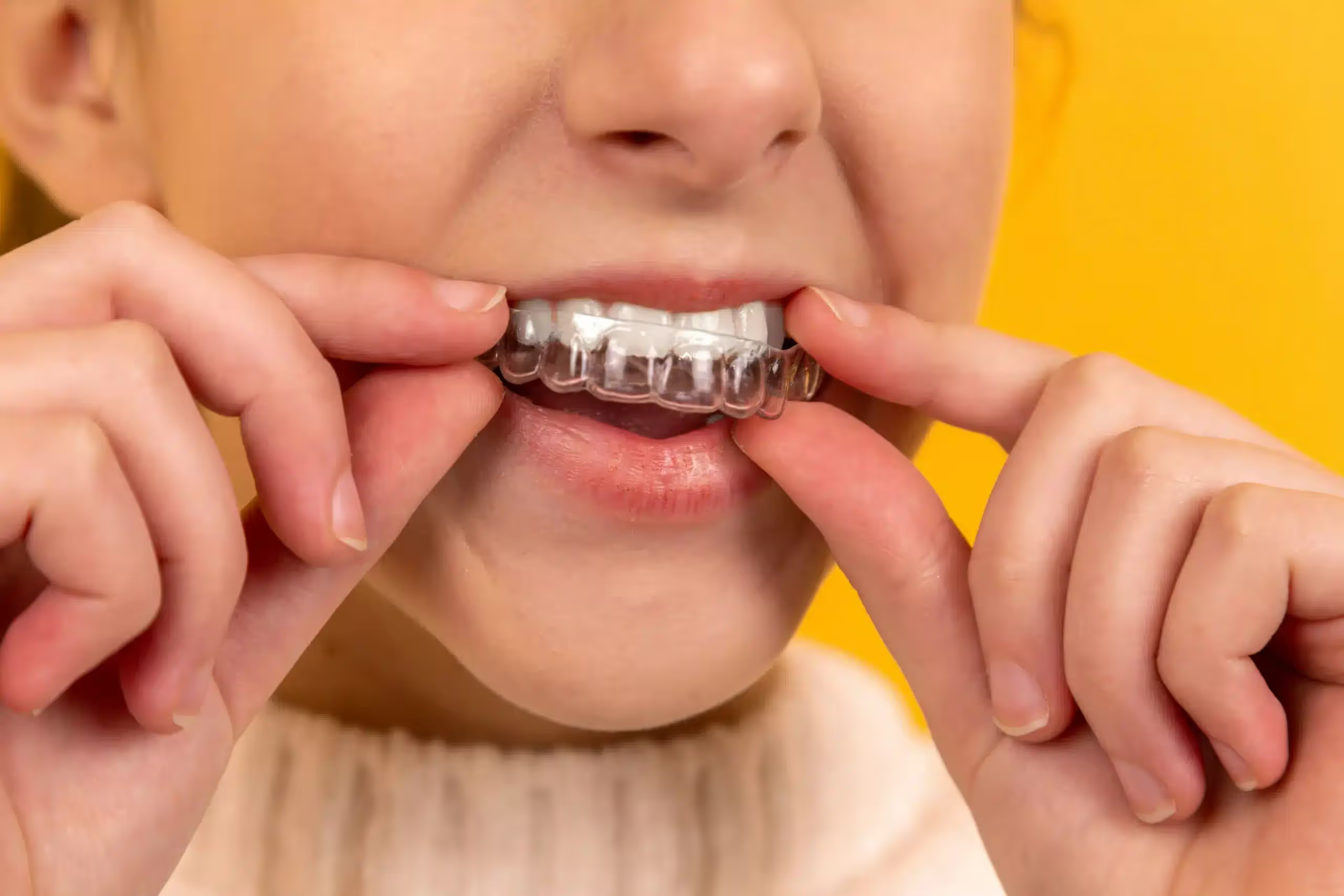
It is especially common in clear aligner treatment.
How IPR works
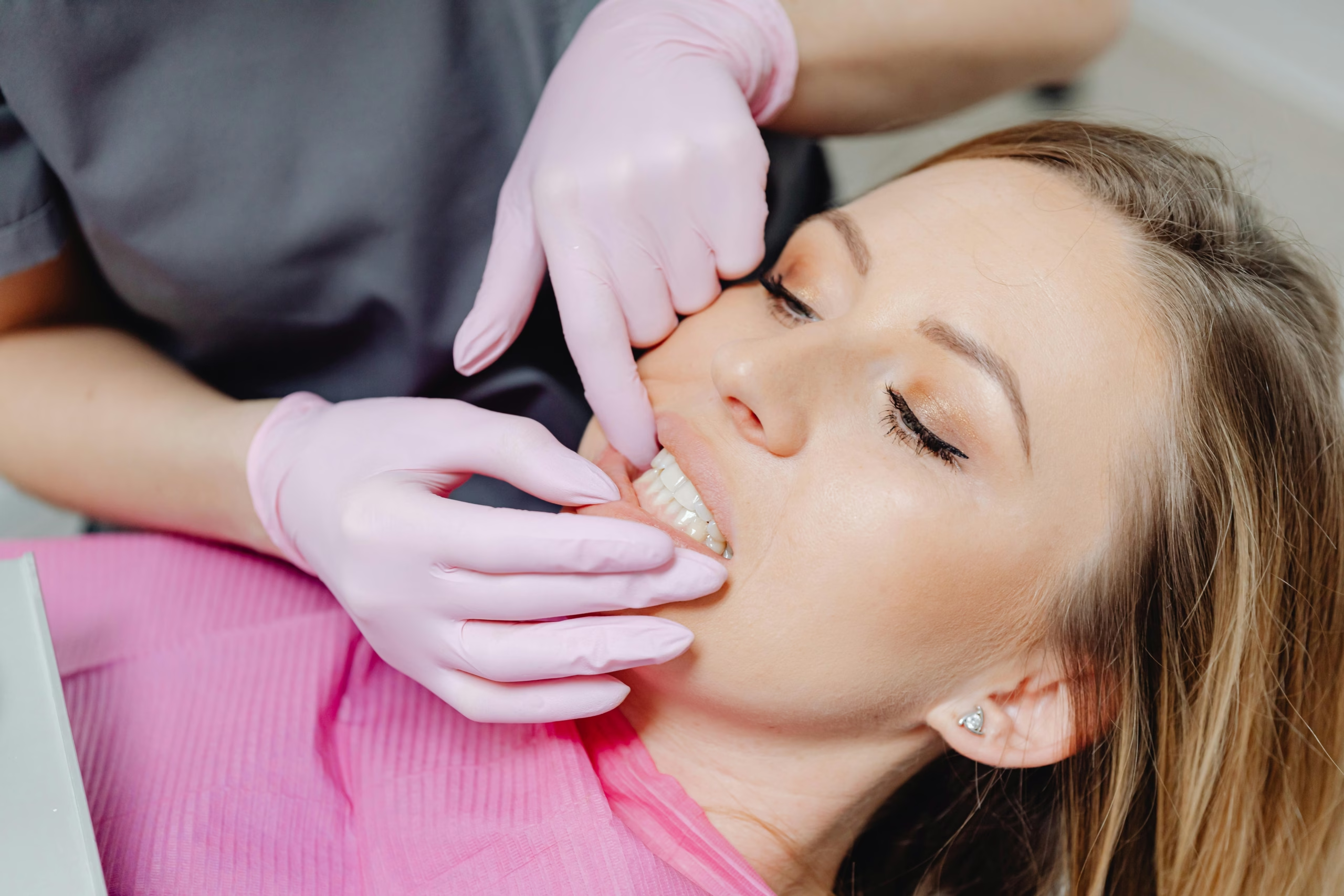
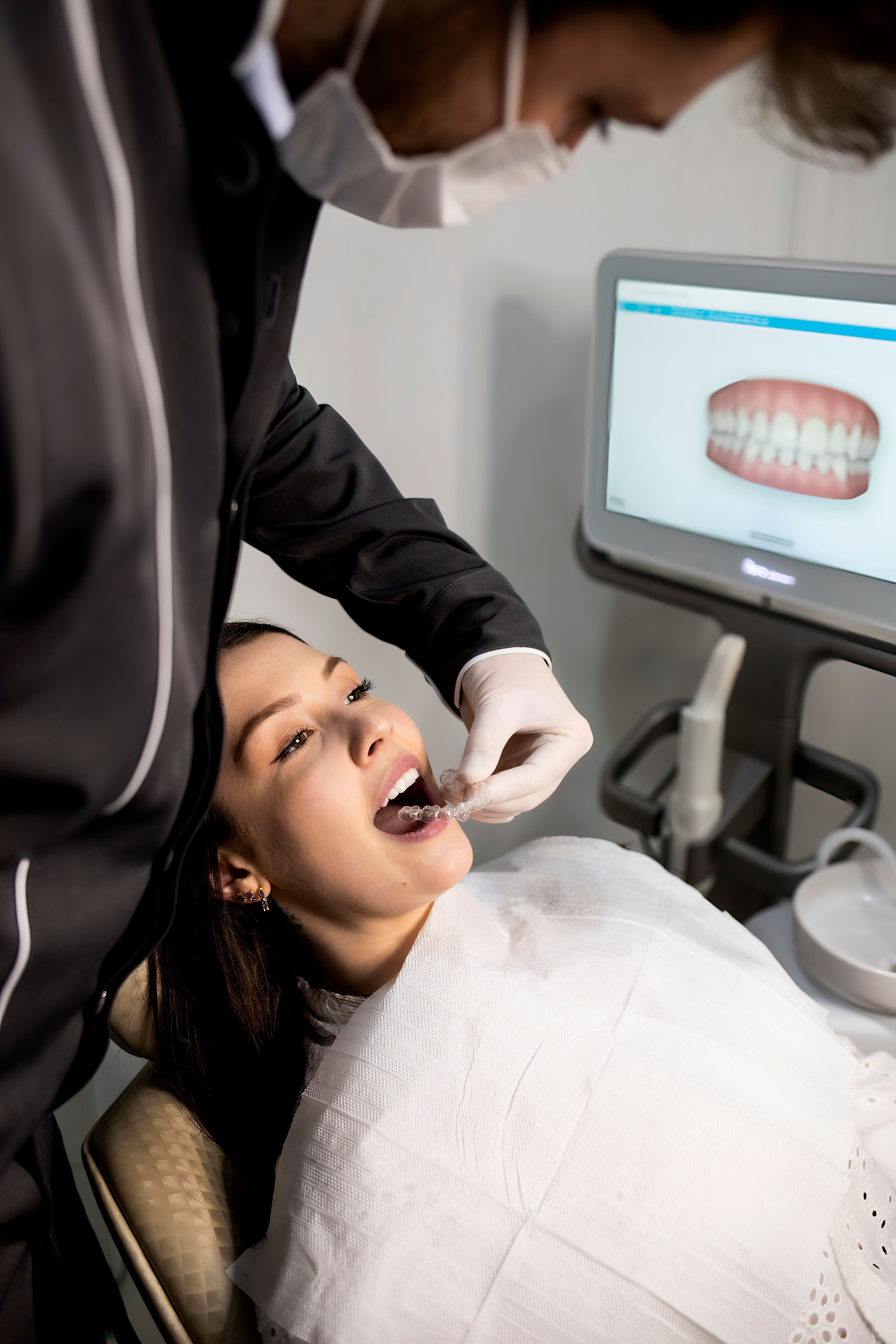
During IPR, a dentist uses a polishing strip or a fine dental tool to smooth the sides of selected teeth. The process is quick, controlled and comfortable.
What you may feel
- Light pressure
- Gentle vibration
- No pain
Most appointments take only a few minutes.
How much enamel is removed
IPR removes a very small amount of enamel. Typical amounts range from:
- 0.1 mm
- 0.2 mm
- 0.3 mm
This is less than the thickness of a credit card.
IPR benefits vs considerations
Is IPR safe
Yes. IPR is a widely used, clinically safe procedure. The amount of enamel removed is minimal and does not weaken teeth. Dentists follow strict guidelines to ensure long‑term tooth health.
Does IPR hurt
IPR should not be painful. You may feel:
- Light pressure
- Mild vibration
- Slight warmth
Most people describe it as quick and comfortable.
How IPR supports clear aligner treatment
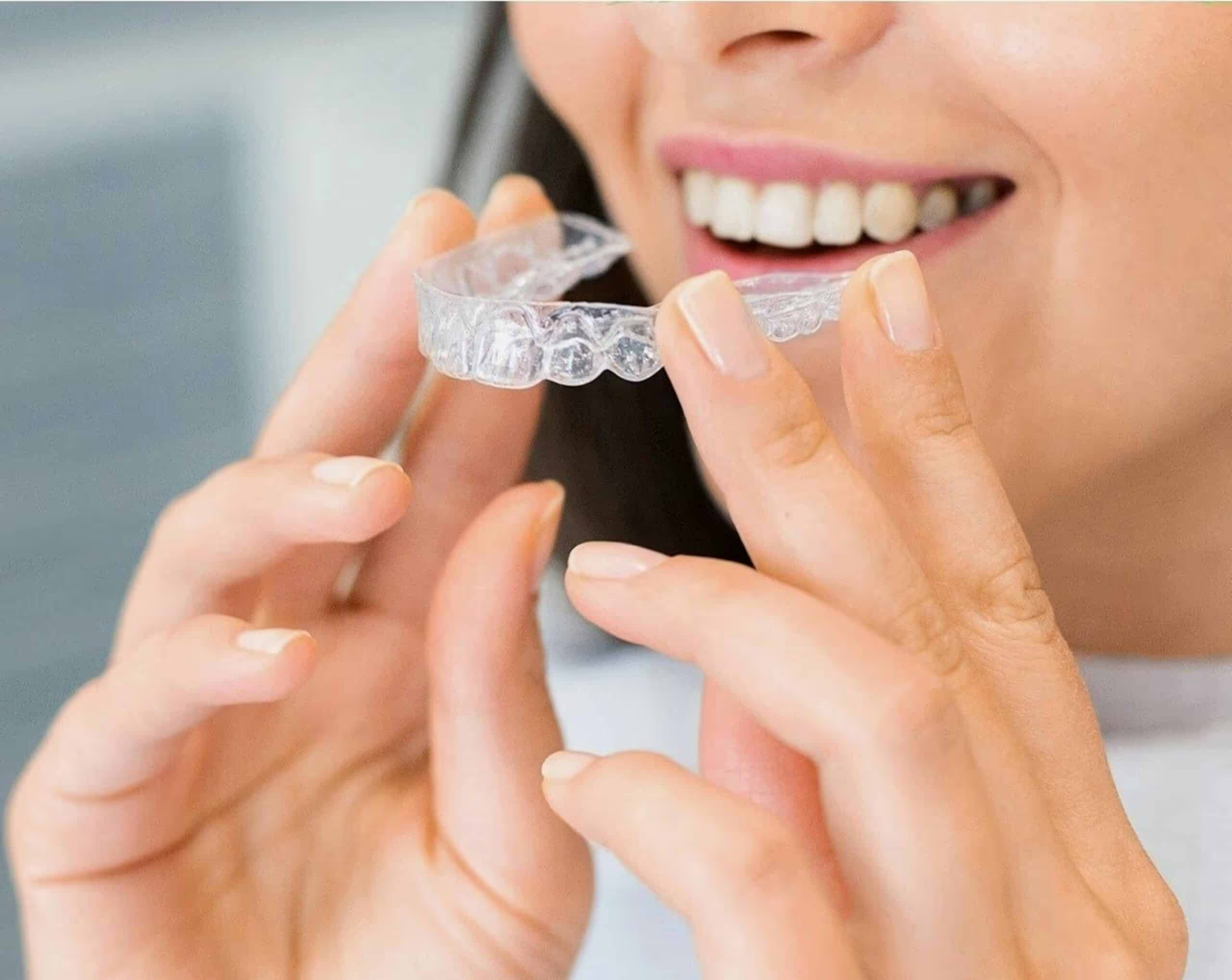
IPR helps aligners fit better and move teeth more efficiently. It can:
- Reduce crowding
- Improve rotation
- Prevent gaps
- Enhance tracking
- Support predictable results
It is one of the most important steps in achieving a straight smile.
When IPR is recommended
Dentists may recommend IPR if you have:
- Mild to moderate crowding
- Teeth that overlap
- Teeth that rotate
- A narrow arch
- A risk of flaring during straightening
Your dentist will explain exactly where and why IPR is needed.
How ToothFairy helps
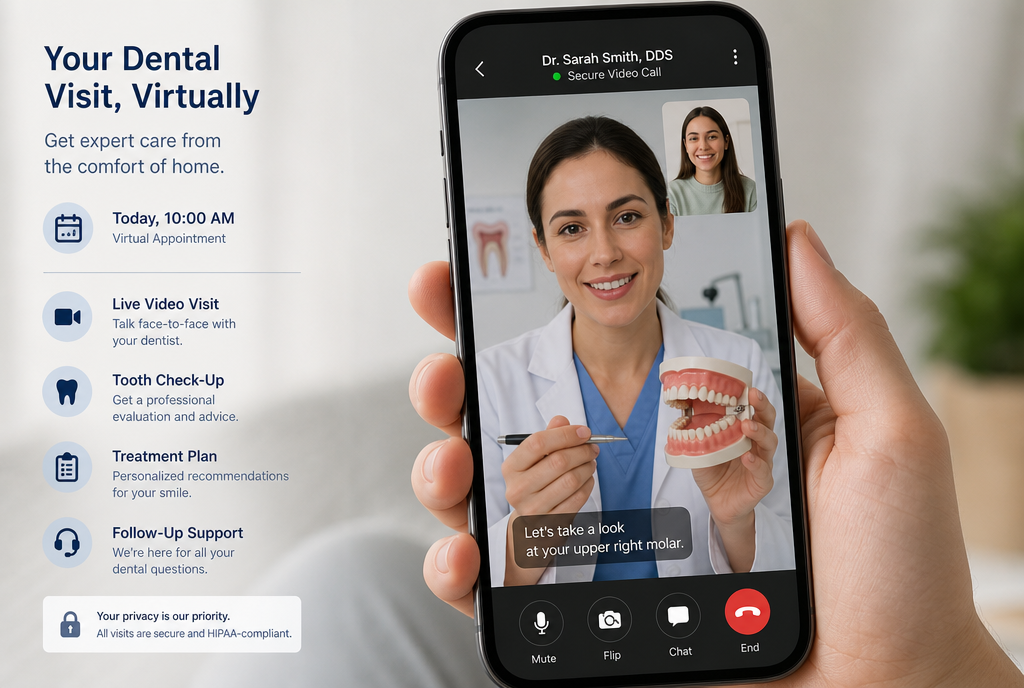
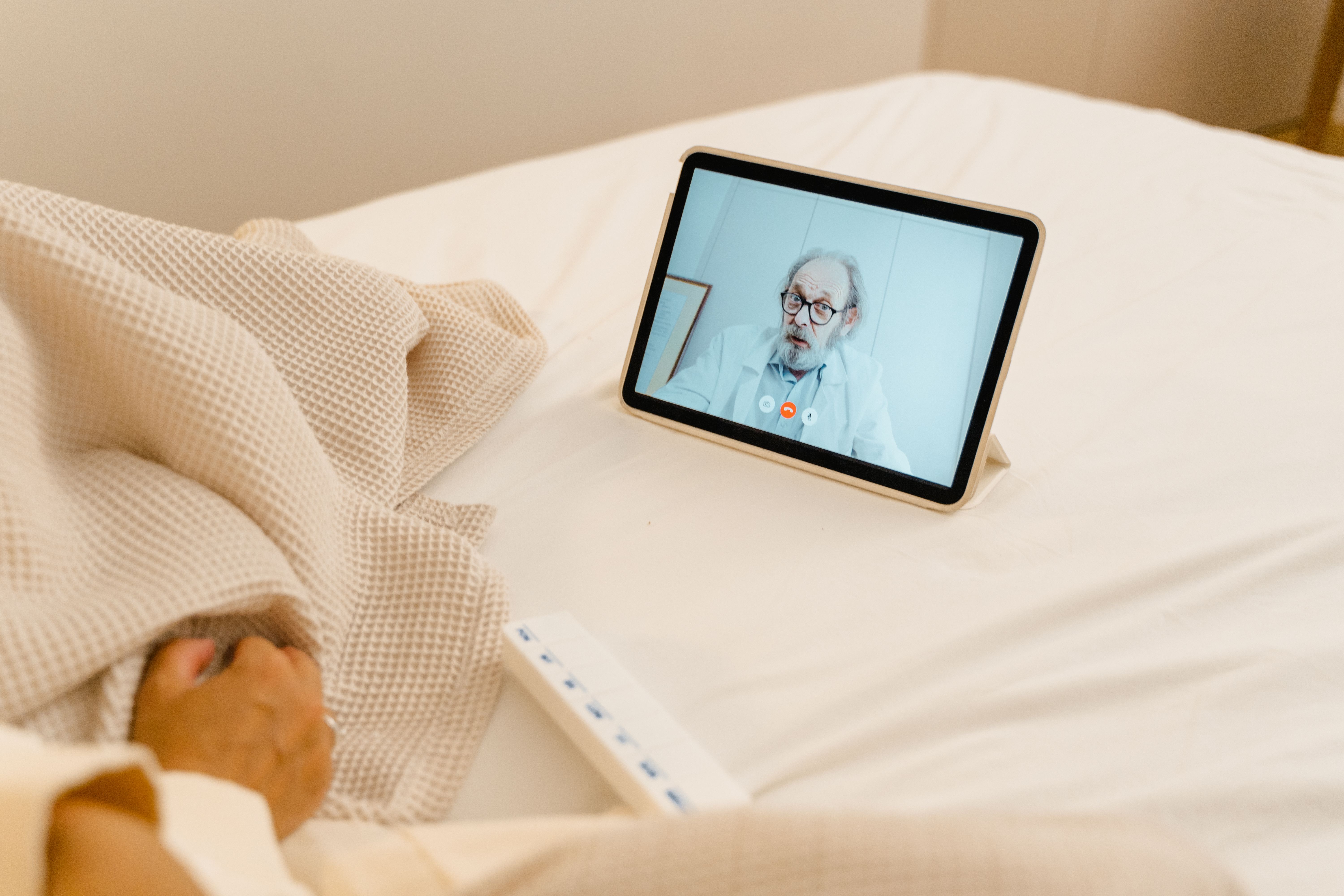
Virtual dental assessments
Upload photos and get expert advice before starting treatment.
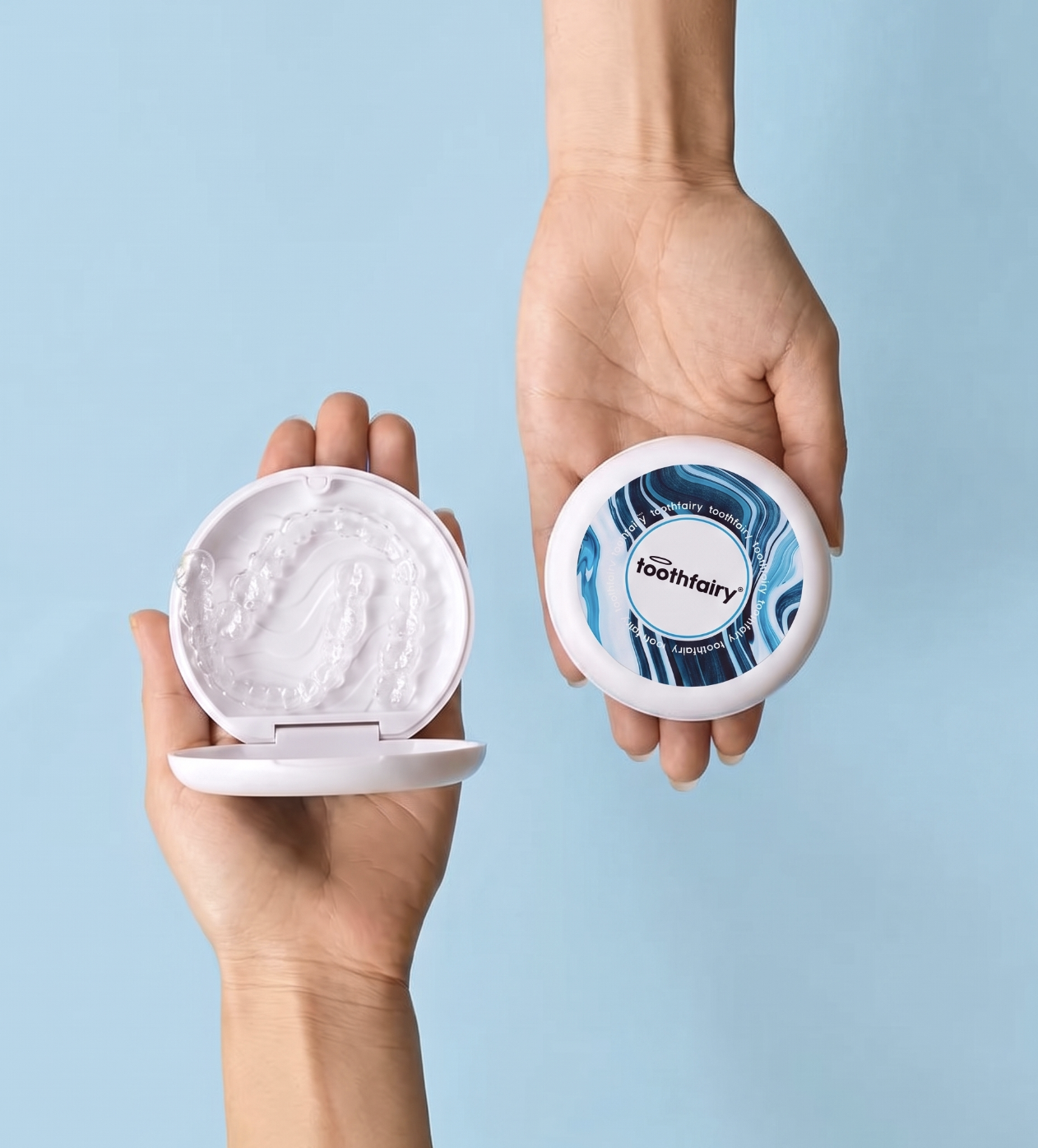
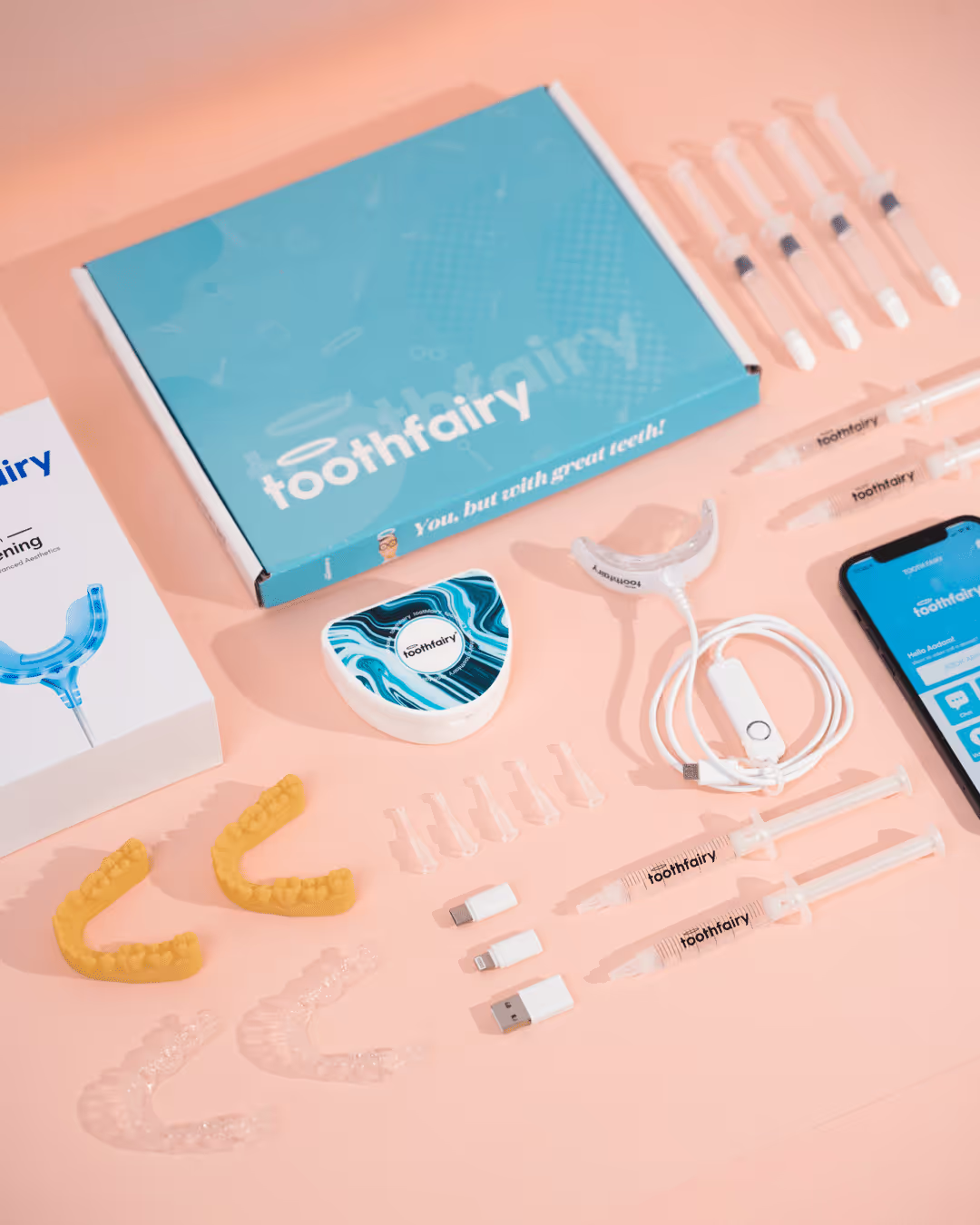
Clear aligner treatment
Dentist‑supervised straightening with remote monitoring.
IPR guidance
Dentists explain when and why IPR is needed.
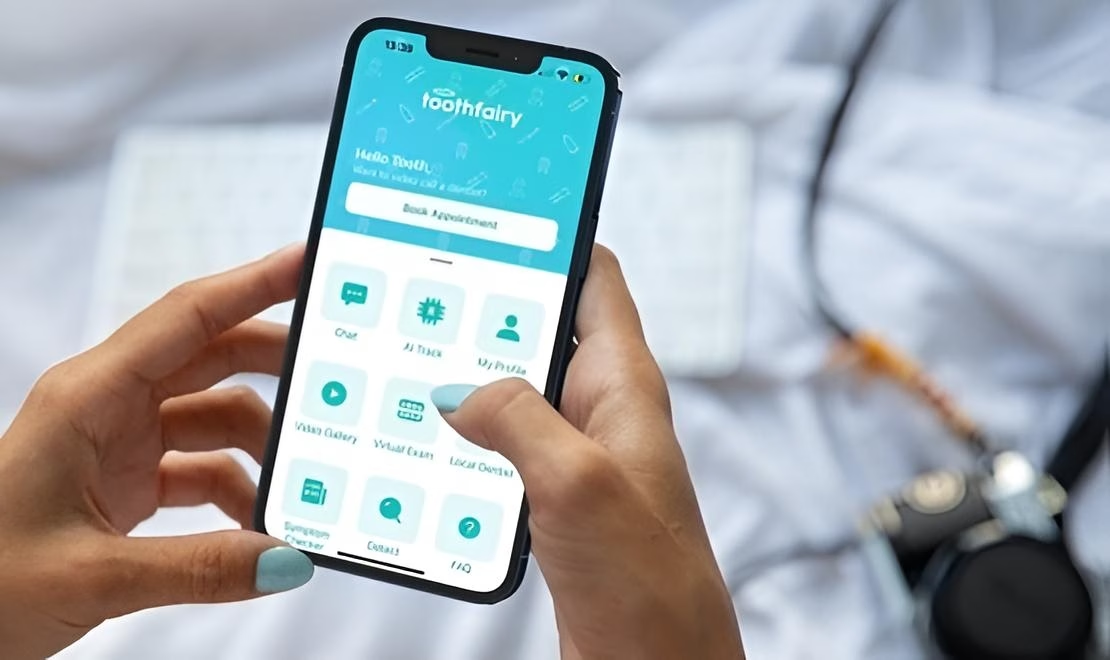
Progress tracking
Monitor tooth movement and aligner fit through the app.
When to contact a dentist
You should seek advice if you notice:
- Sensitivity after IPR
- Difficulty wearing aligners
- Teeth not tracking
- Unexpected discomfort
Dentists can adjust your plan and ensure everything stays on track.
Your IPR questions answered
Is IPR permanent
Yes. The enamel removed does not grow back.
Does IPR weaken teeth
No. The amount removed is extremely small.
Is IPR always needed
No. It depends on your tooth alignment.
Can IPR change how my teeth look
It improves alignment but does not change tooth shape.











.jpg)




.jpg)














.jpg)