
Why gums bleed
Healthy gums should not bleed. When they do, it is usually because the gum tissue is irritated, inflamed or infected. The most common cause is plaque buildup, but several other factors can contribute.
Bleeding gums are often the first warning sign of gum disease, so early action is important.
Common causes of bleeding gums
Gingivitis
The earliest stage of gum disease. Plaque irritates the gums, causing redness, swelling and bleeding.
Brushing too hard
Firm pressure or a hard toothbrush can damage gum tissue.
Flossing incorrectly
Snapping floss into the gums can cause bleeding.
Poor oral hygiene
Not brushing or flossing regularly allows plaque to build up.
Hormonal changes
Pregnancy, puberty and menopause can make gums more sensitive.
Smoking
Reduces blood flow to the gums and increases inflammation.
Vitamin deficiencies
Low vitamin C or K can contribute to gum bleeding.
Medical conditions
Diabetes, blood disorders and certain medications can affect gum health.
How to stop bleeding gums quickly
Brush gently but thoroughly
Use a soft toothbrush and clean along the gumline without pressing too hard.
Floss daily
Flossing removes plaque between teeth, reducing inflammation.
Use an antibacterial mouthwash
Helps reduce bacteria and soothe irritated gums.
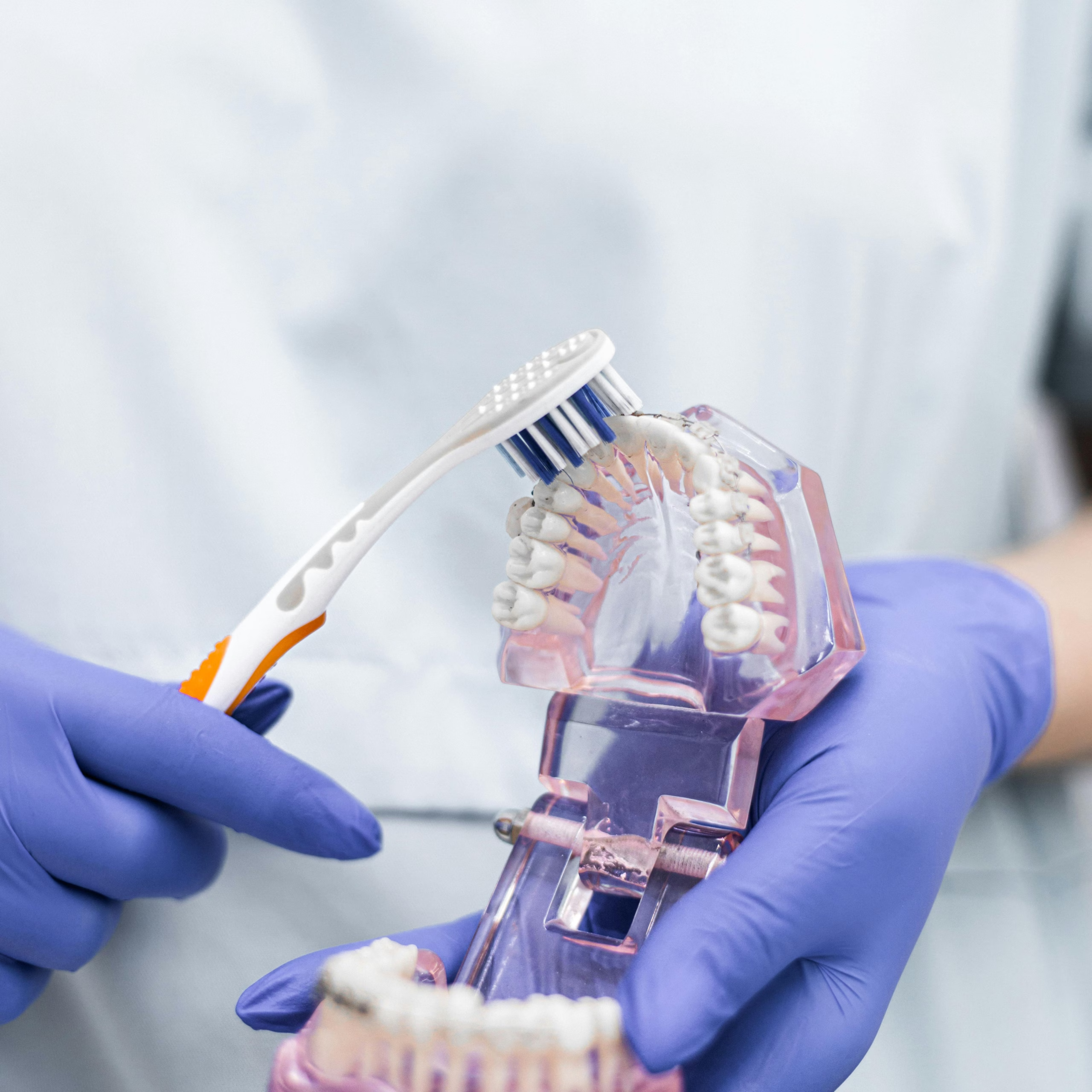
Improve your brushing technique
Angle the brush at 45 degrees towards the gumline and use small circular motions.
Stay hydrated
Dry mouth increases plaque buildup.
Stop smoking
Smoking slows healing and increases gum disease risk.
Check your diet
Eat foods rich in vitamin C and K to support gum health.
Bleeding gums causes vs solutions
How to prevent bleeding gums long term
Brush twice a day
Use a soft brush and gentle technique.
Floss daily
Prevents plaque buildup between teeth.
Regular dental checkups
Dentists can spot early gum disease before symptoms worsen.
Professional cleanings
Removes hardened plaque that brushing cannot remove.
Healthy diet
Supports gum and immune health.
Avoid smoking
Improves blood flow and healing.
When bleeding gums mean something more serious
You should speak to a dentist if you notice:
- Bleeding that lasts more than a week
- Swollen or painful gums
- Bad breath that does not improve
- Loose teeth
- Receding gums
- Pus around the gums
These may be signs of advanced gum disease.
How ToothFairy helps
Virtual gum assessments
Upload photos and get guidance from a dentist.
Gum disease support
Dentists explain what is causing your symptoms.
Oral hygiene coaching
Learn the best brushing and flossing techniques.
Emergency dental help
Fast support if bleeding becomes severe.
Your bleeding gums questions answered
Are bleeding gums normal
No. They are usually a sign of inflammation.
Can bleeding gums heal on their own
Yes, with good oral hygiene.
Do I need a dentist
If bleeding continues or worsens.
Can mouthwash help
Yes. Antibacterial mouthwash reduces bacteria.




















.jpg)





.jpg)
















.jpg)