What dental recession is
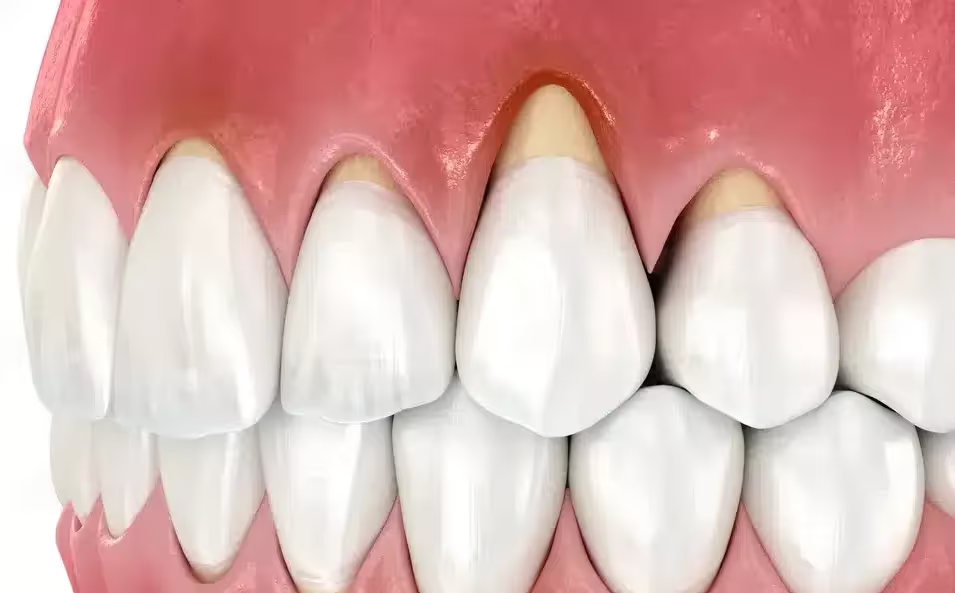
Dental recession occurs when the gum margin moves away from the tooth. This exposes the root surface, which is more sensitive and more vulnerable to decay. Recession can happen slowly over time or progress more quickly depending on the cause.
Receding gums are a sign that the gum and bone support around the teeth is changing.
Common causes of dental recession
Gum disease
The most common cause. Inflammation damages the gum tissue and supporting bone, causing the gums to pull back.
Aggressive brushing
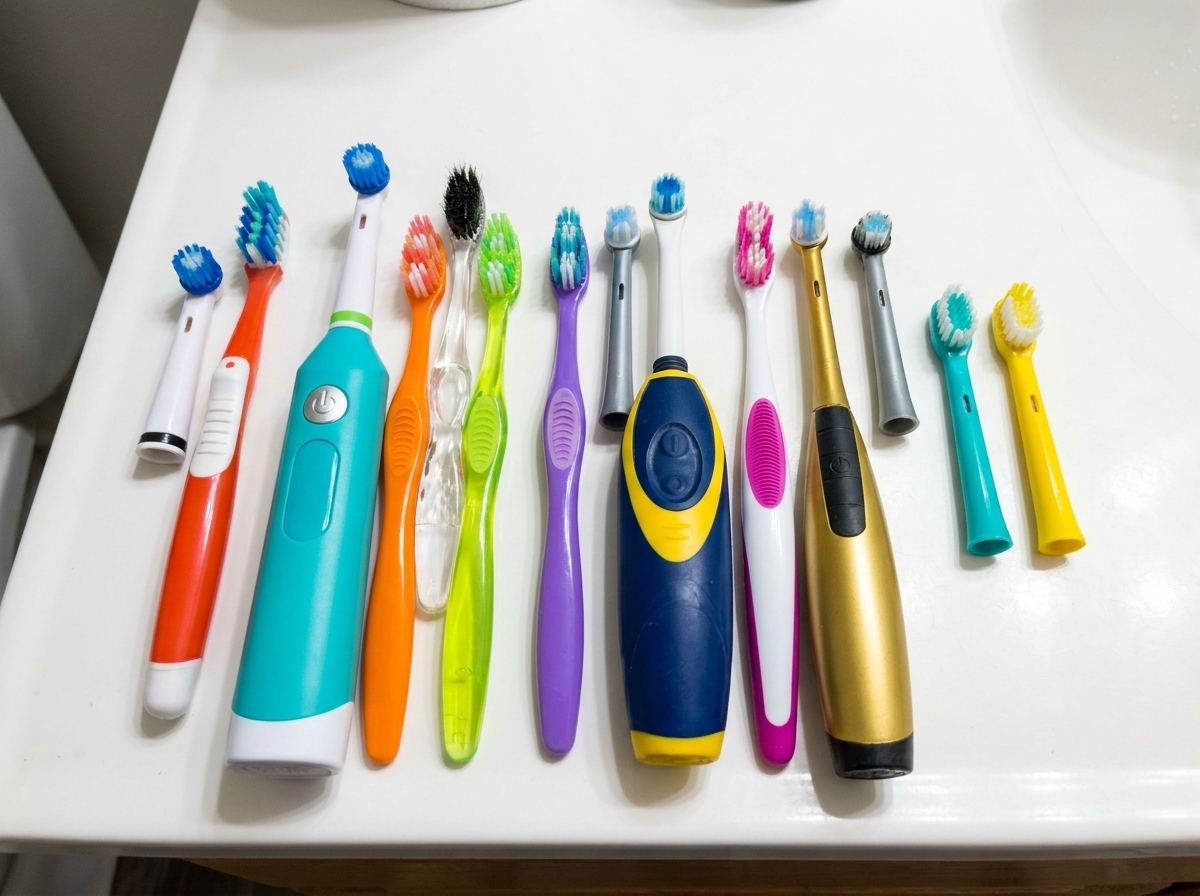
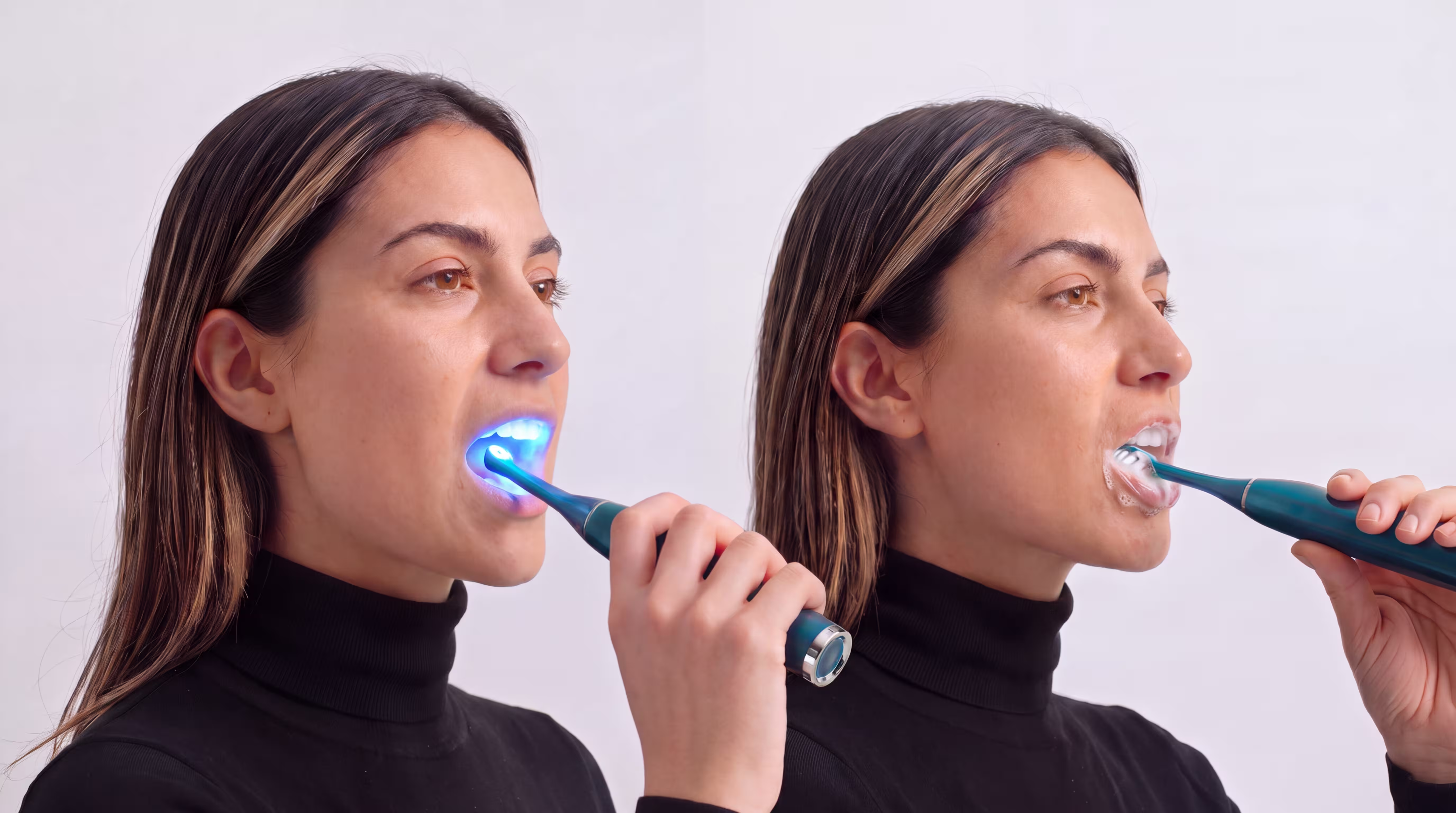
Brushing too hard or using a hard toothbrush can wear away gum tissue.
Genetics
Some people naturally have thinner gum tissue, making recession more likely.
Smoking
Reduces blood flow to the gums and increases inflammation.
Teeth grinding
Excess pressure on the teeth can cause gums to recede.
Crooked teeth
Misalignment can place uneven pressure on the gums.
Hormonal changes
Pregnancy, puberty and menopause can make gums more sensitive.
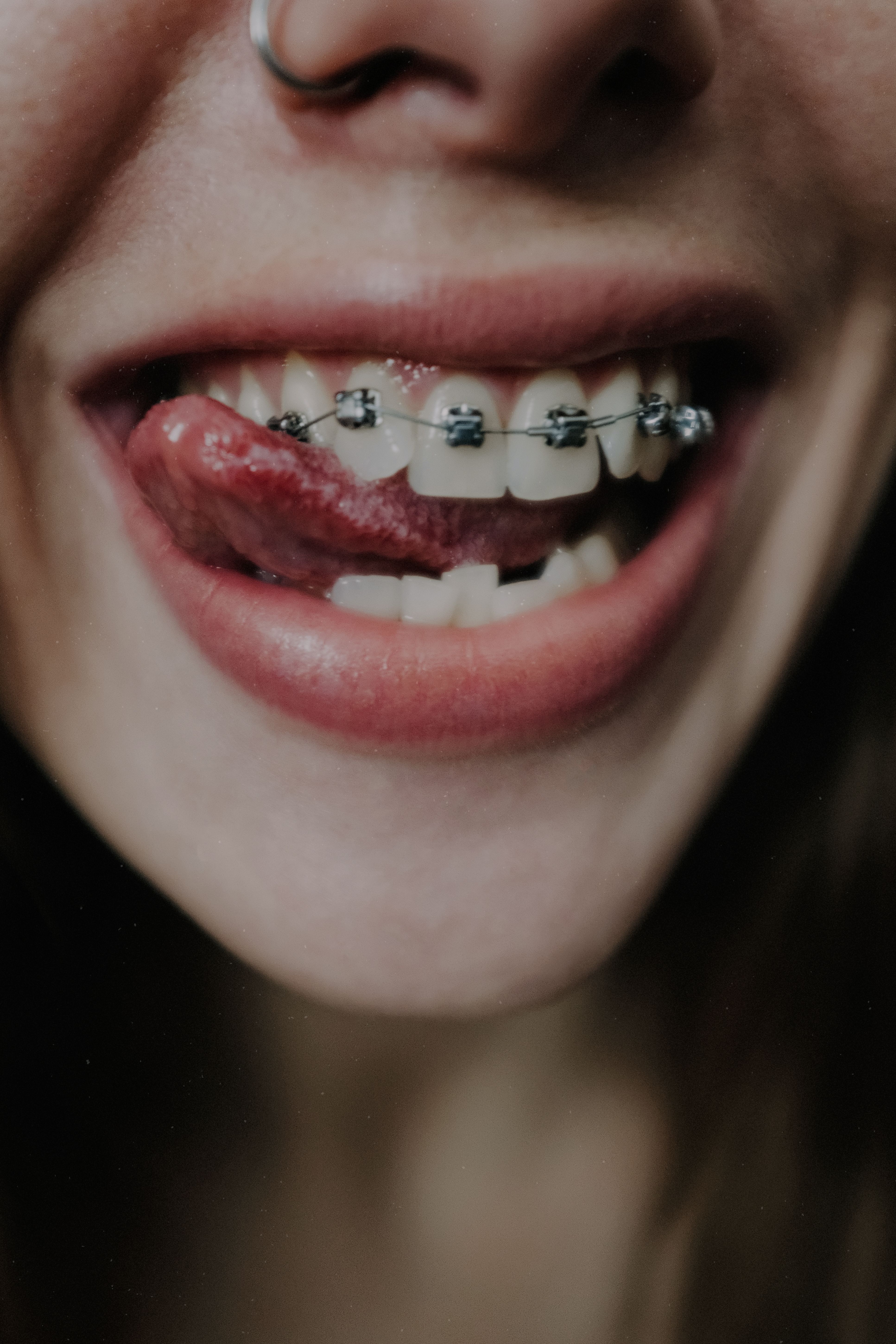
Piercings
Lip or tongue piercings can rub against the gums and cause recession.
Early signs of dental recession
You may notice:
- Teeth looking longer
- Sensitivity to cold or sweet foods
- Visible root surfaces
- Gaps forming between teeth and gums
- Bleeding when brushing
- Darker areas near the gumline
Early detection helps prevent further recession.
Dental recession causes vs symptoms
How dental recession is diagnosed
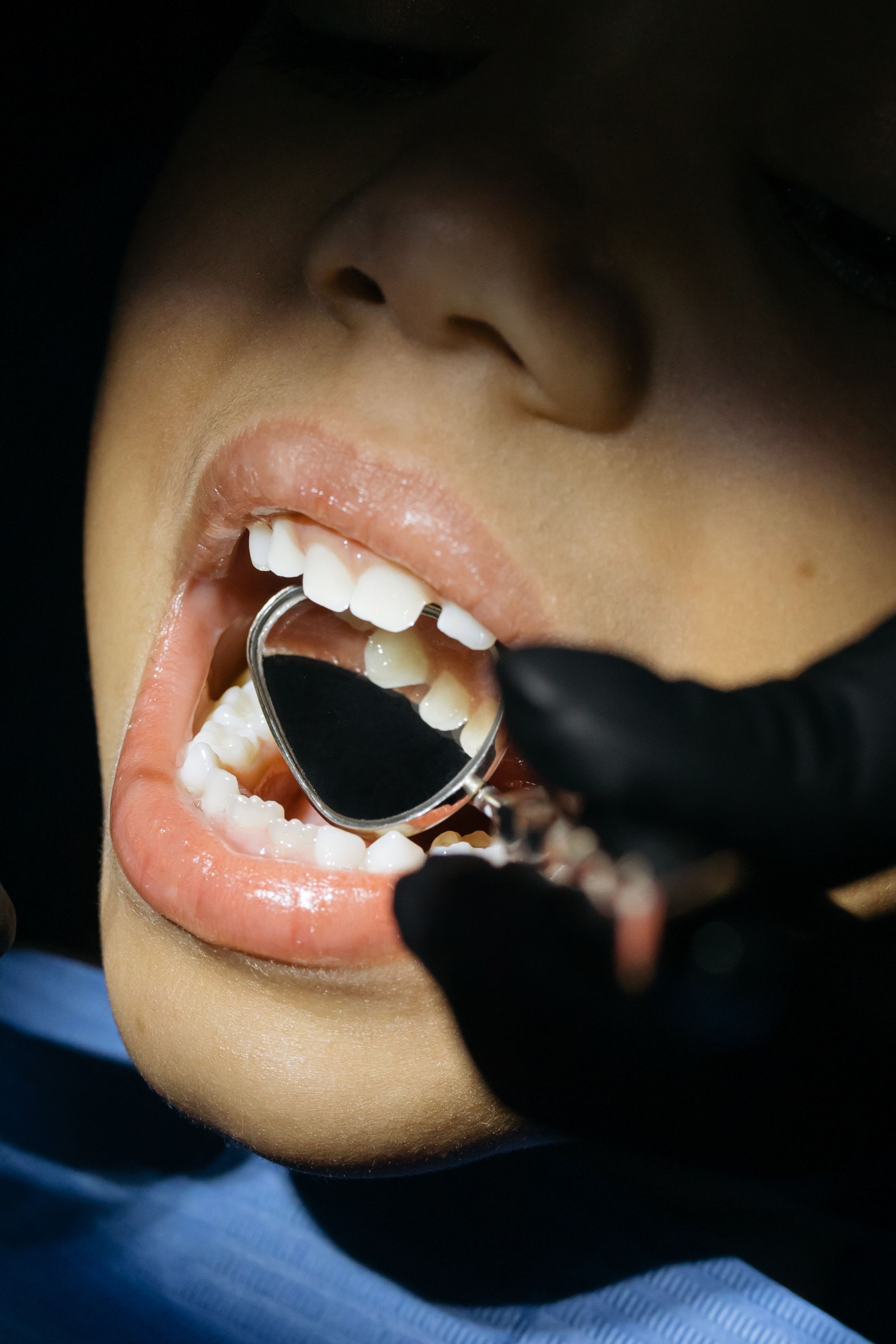
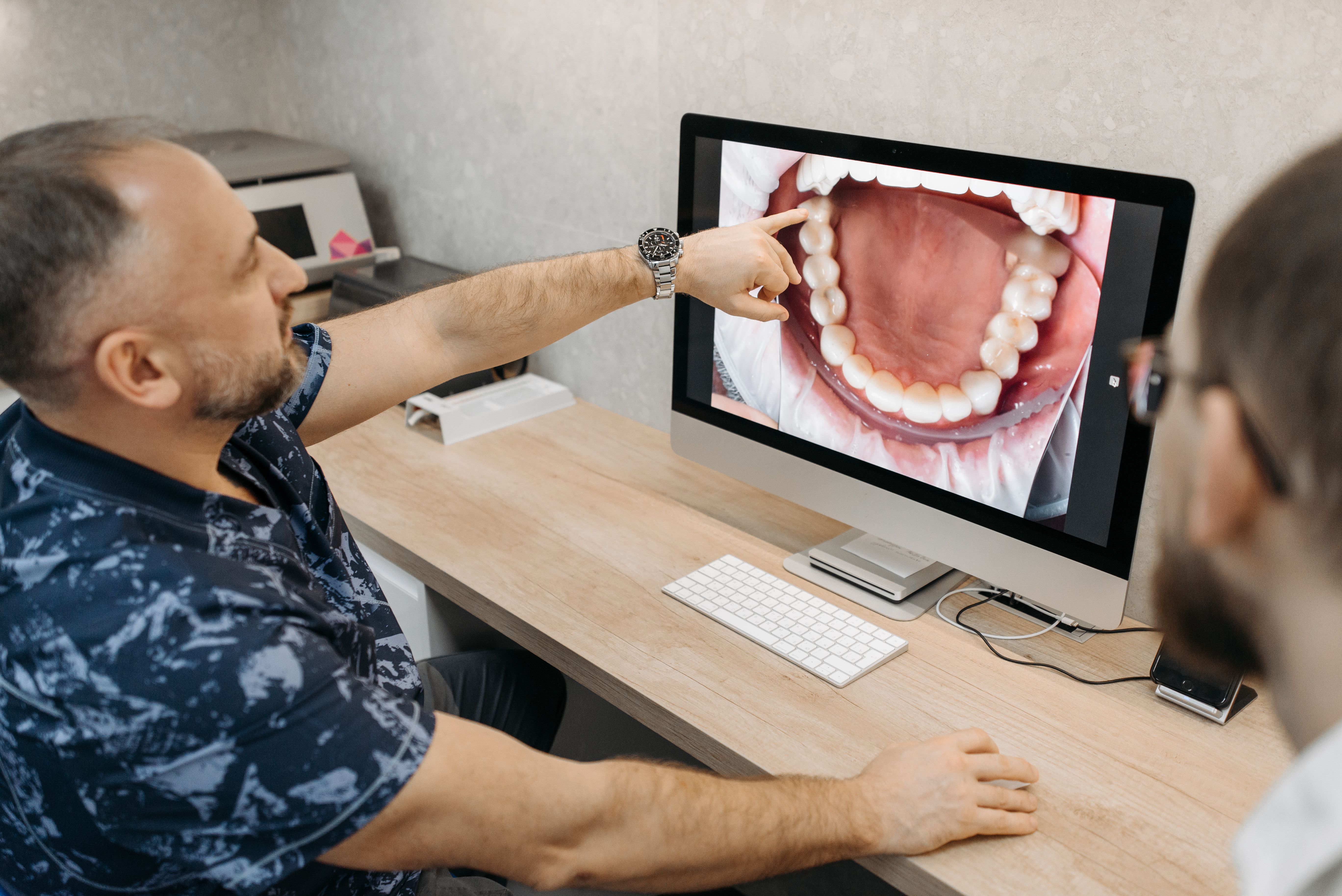
Visual examination
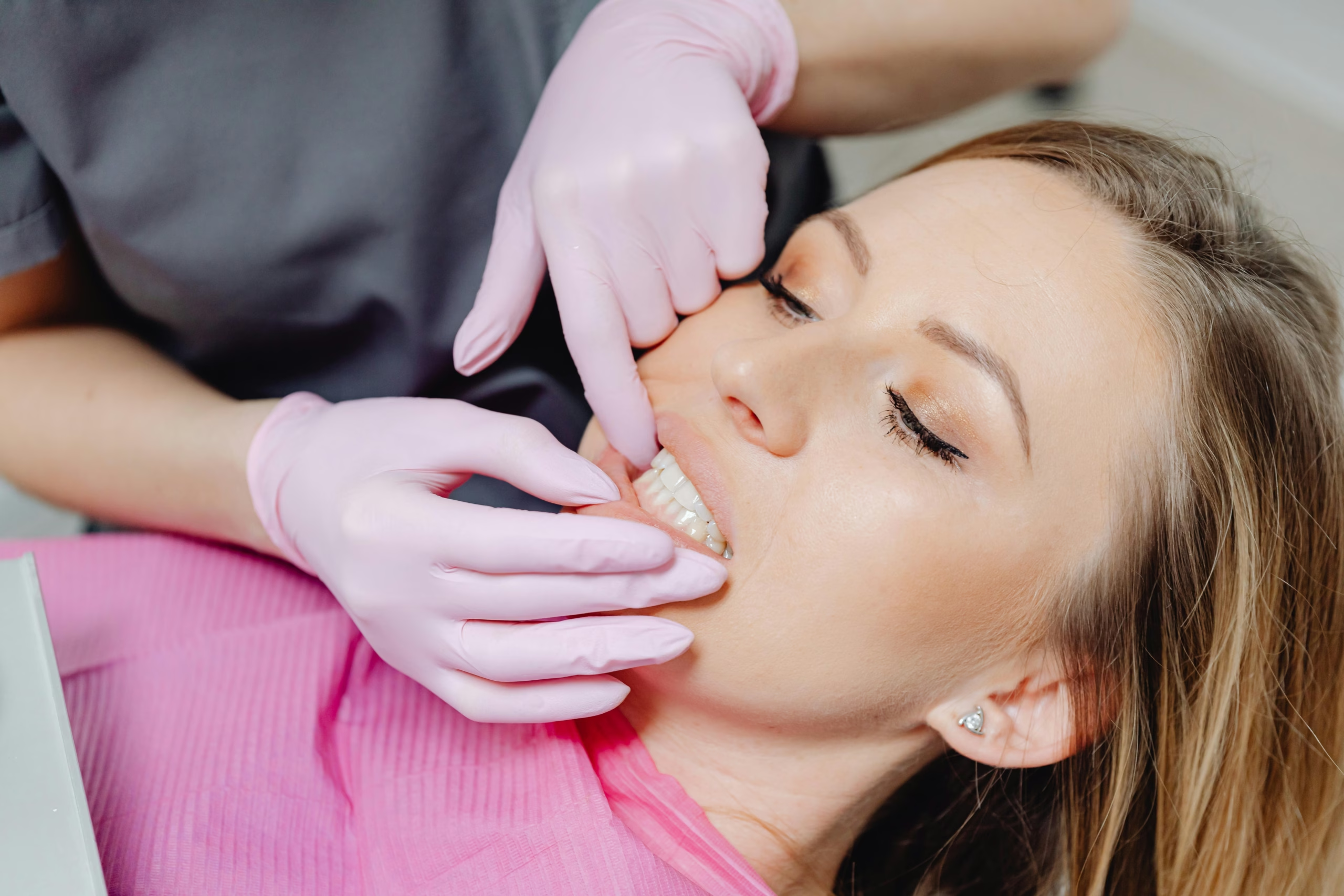
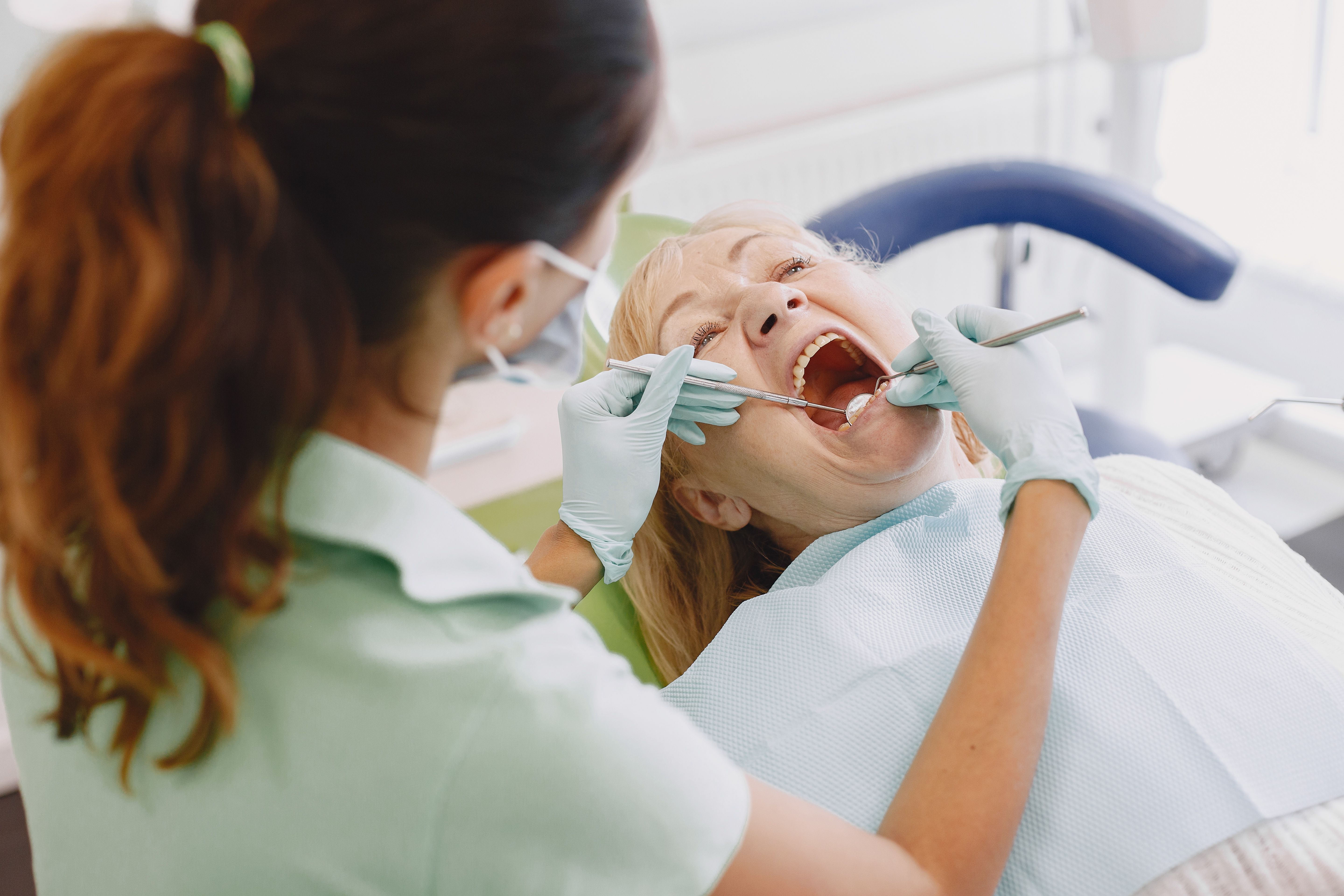
Dentists check gum height and root exposure.
Gum measurements
Small probes measure gum depth and attachment.
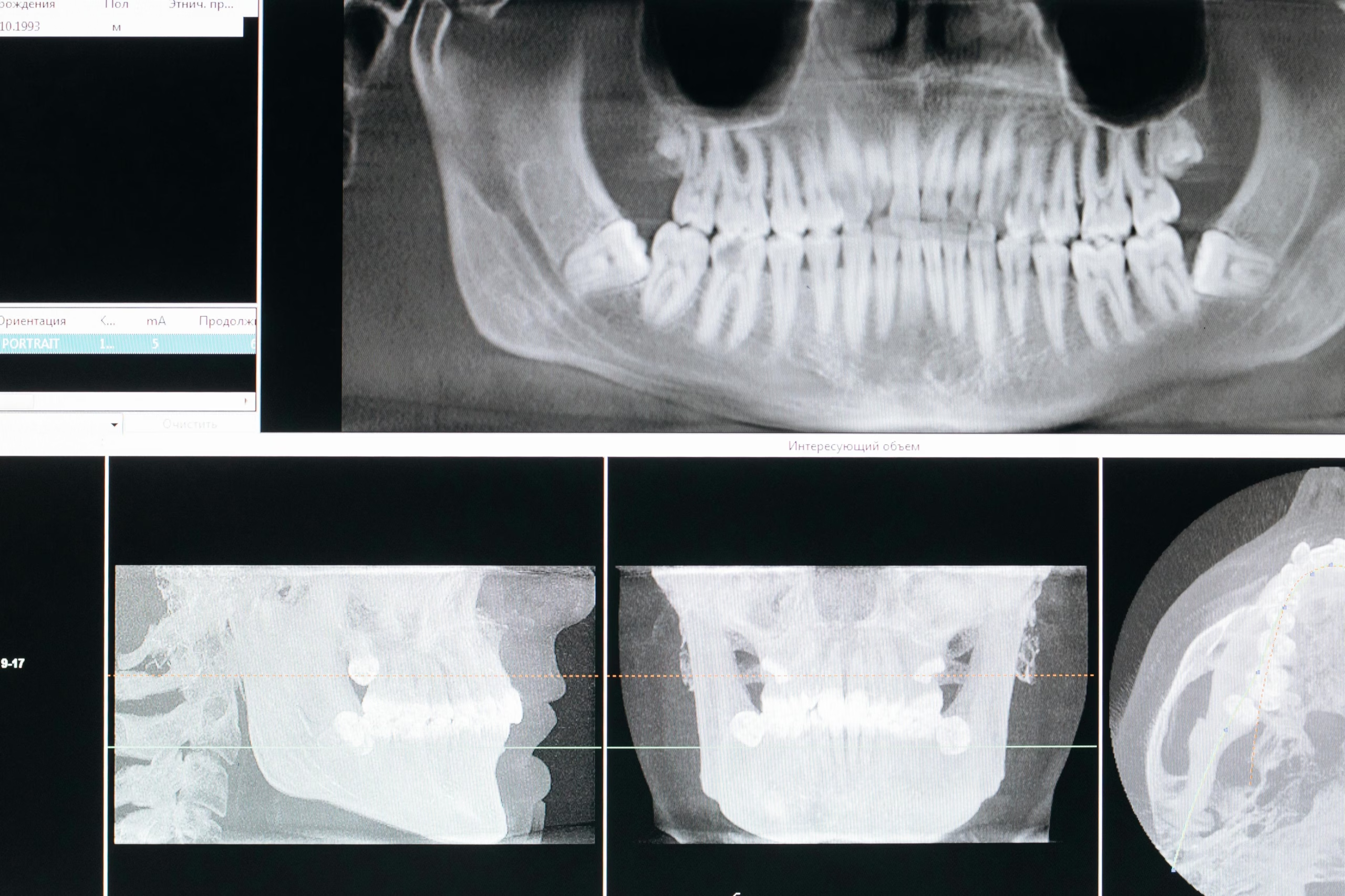
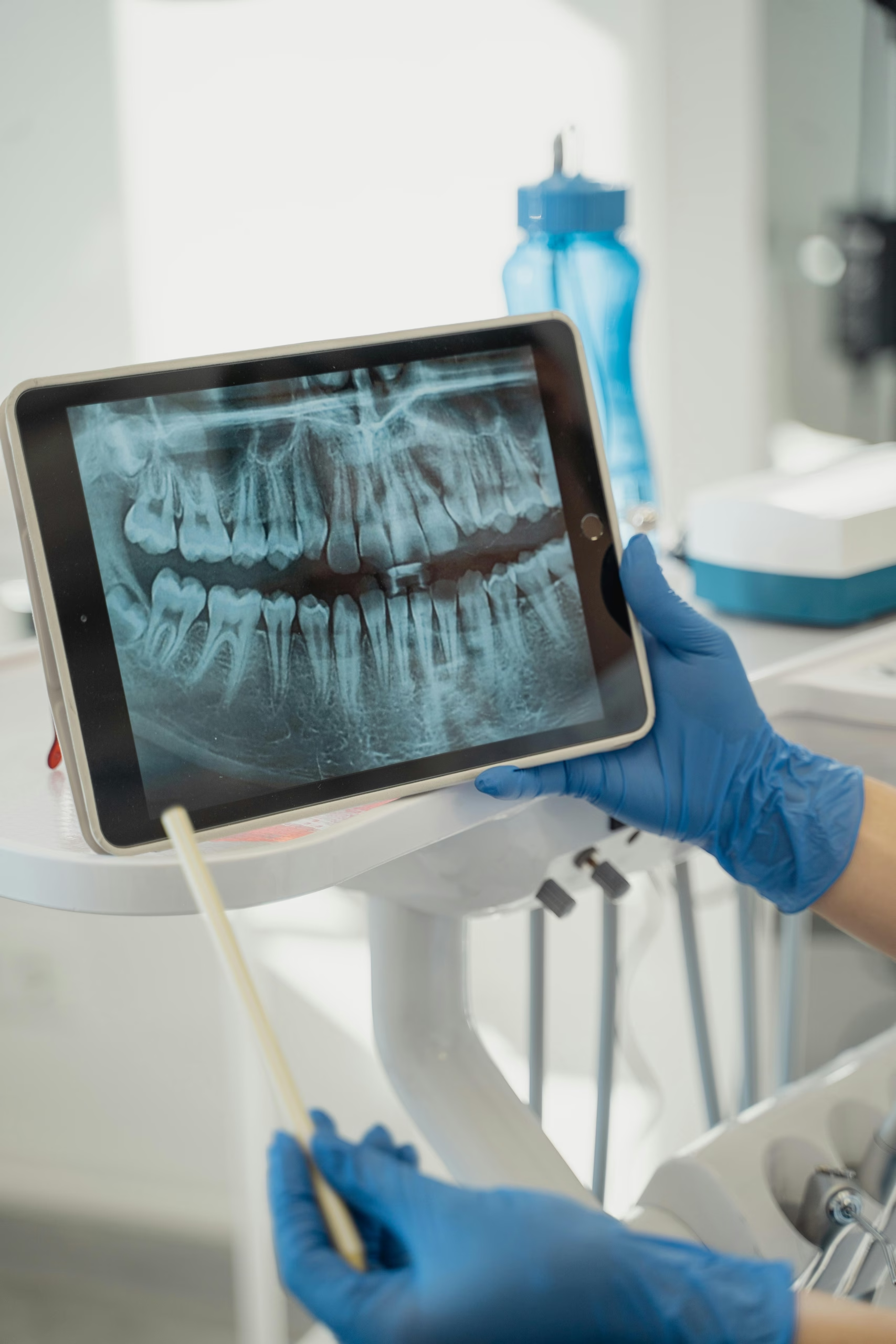
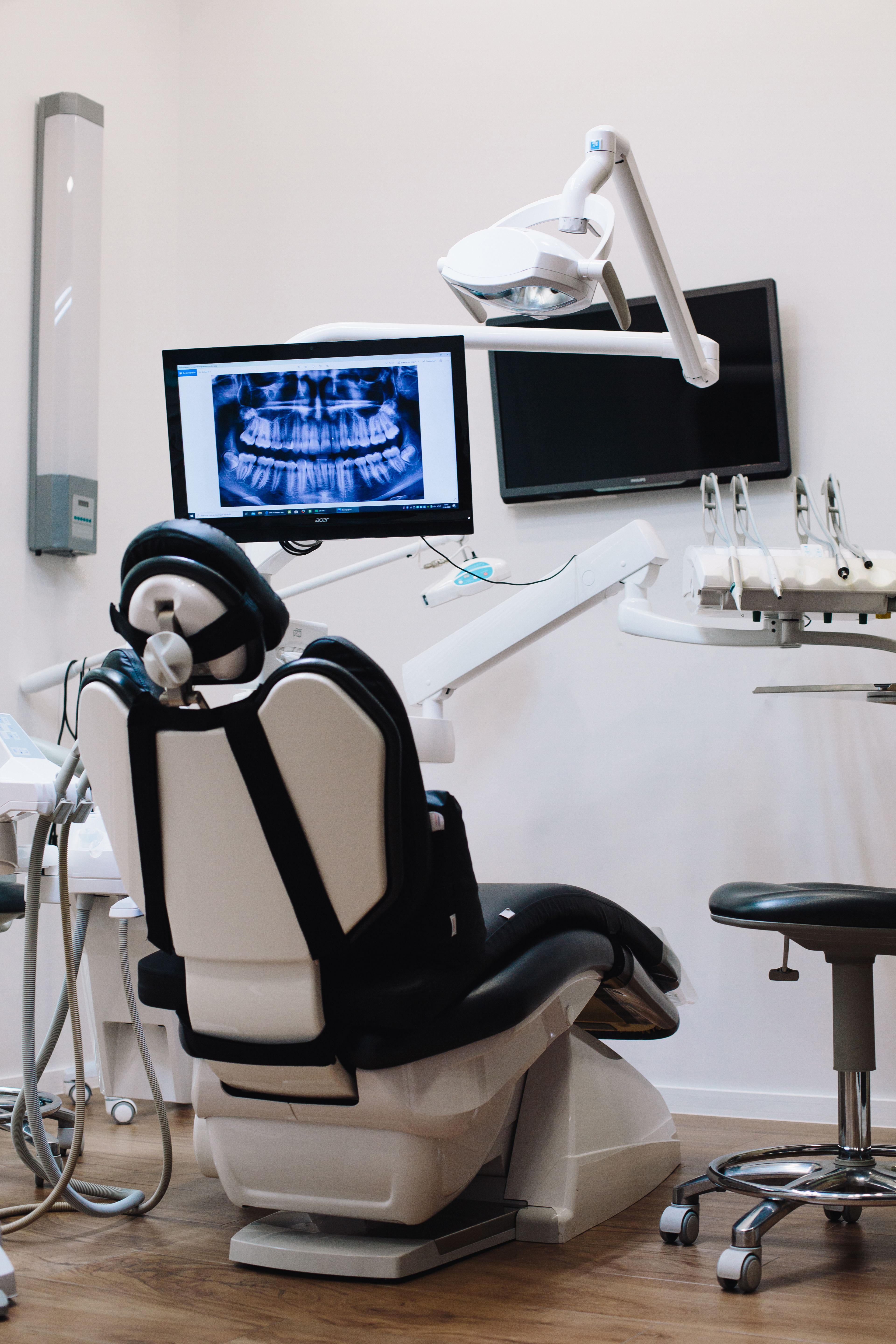
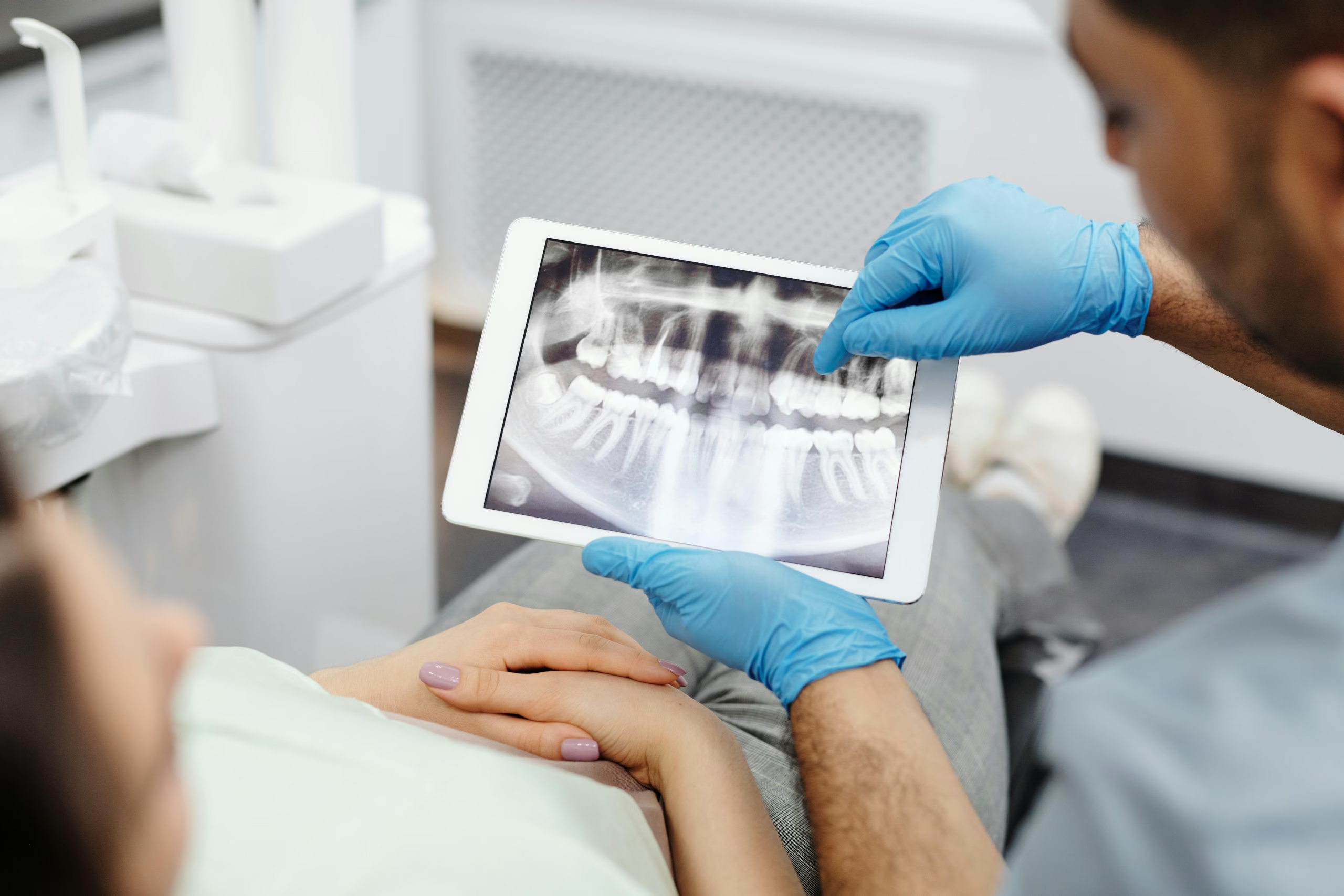
X rays
Shows bone levels around the teeth.
Bite assessment
Checks for grinding or uneven pressure.
Can dental recession be reversed
Gum recession cannot grow back naturally. However, treatment can stop it from getting worse and protect the exposed areas. In some cases, gum grafting can restore lost tissue.
How to prevent dental recession
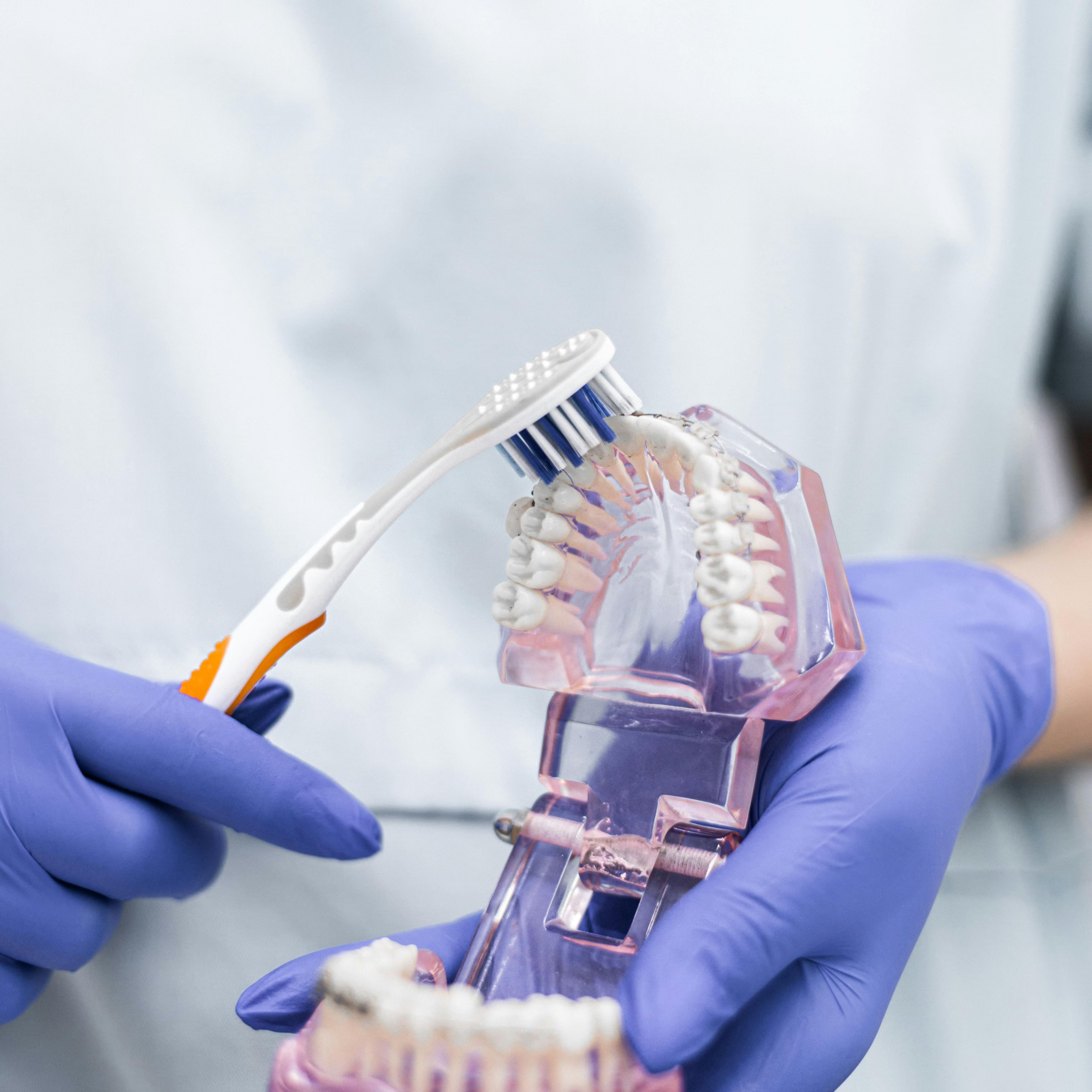
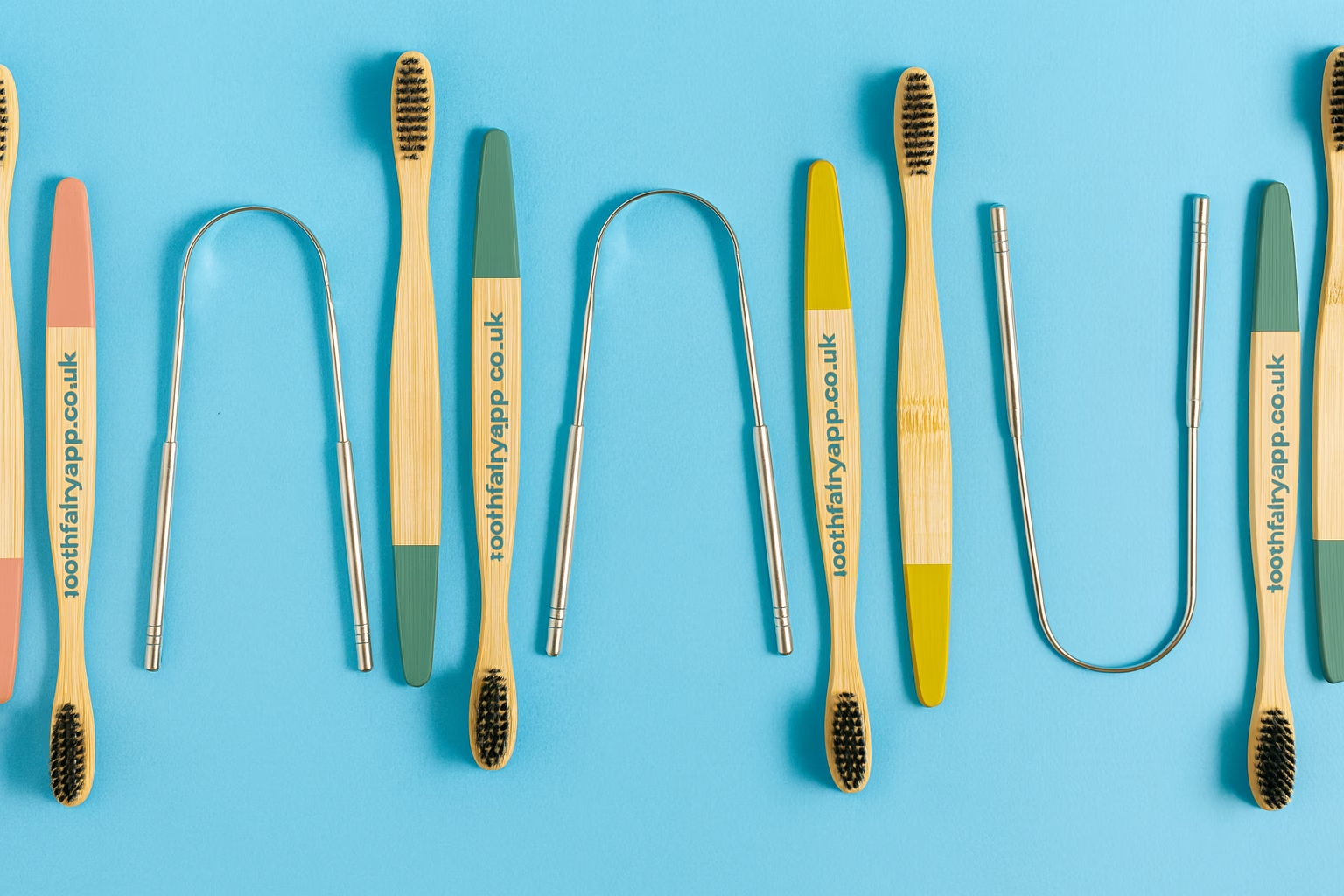
Brush gently
Use a soft toothbrush and light pressure.
Floss daily
Keeps gums healthy and reduces inflammation.
Stop smoking
Improves gum healing and blood flow.
Treat gum disease early
Professional cleanings remove plaque and tartar.
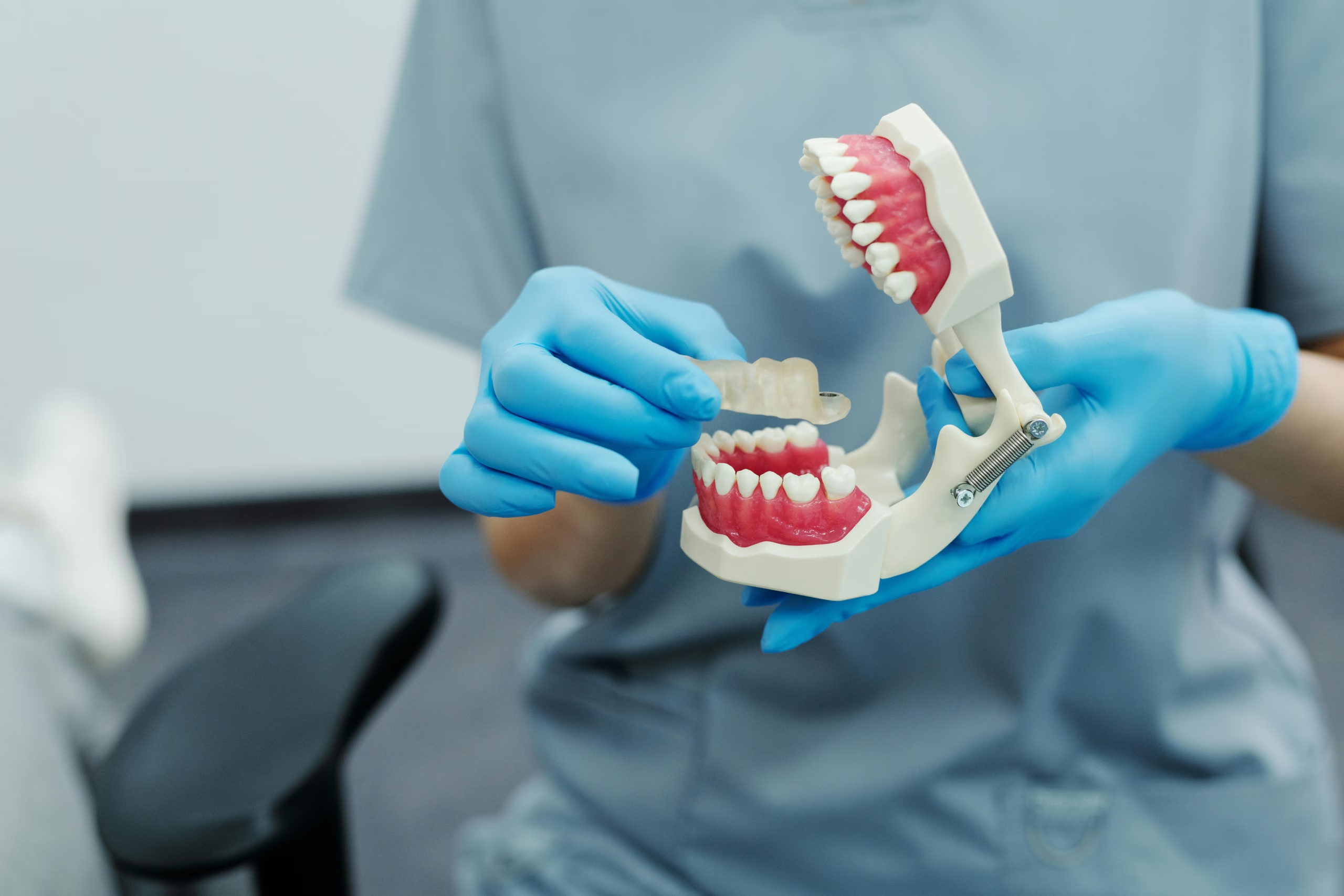
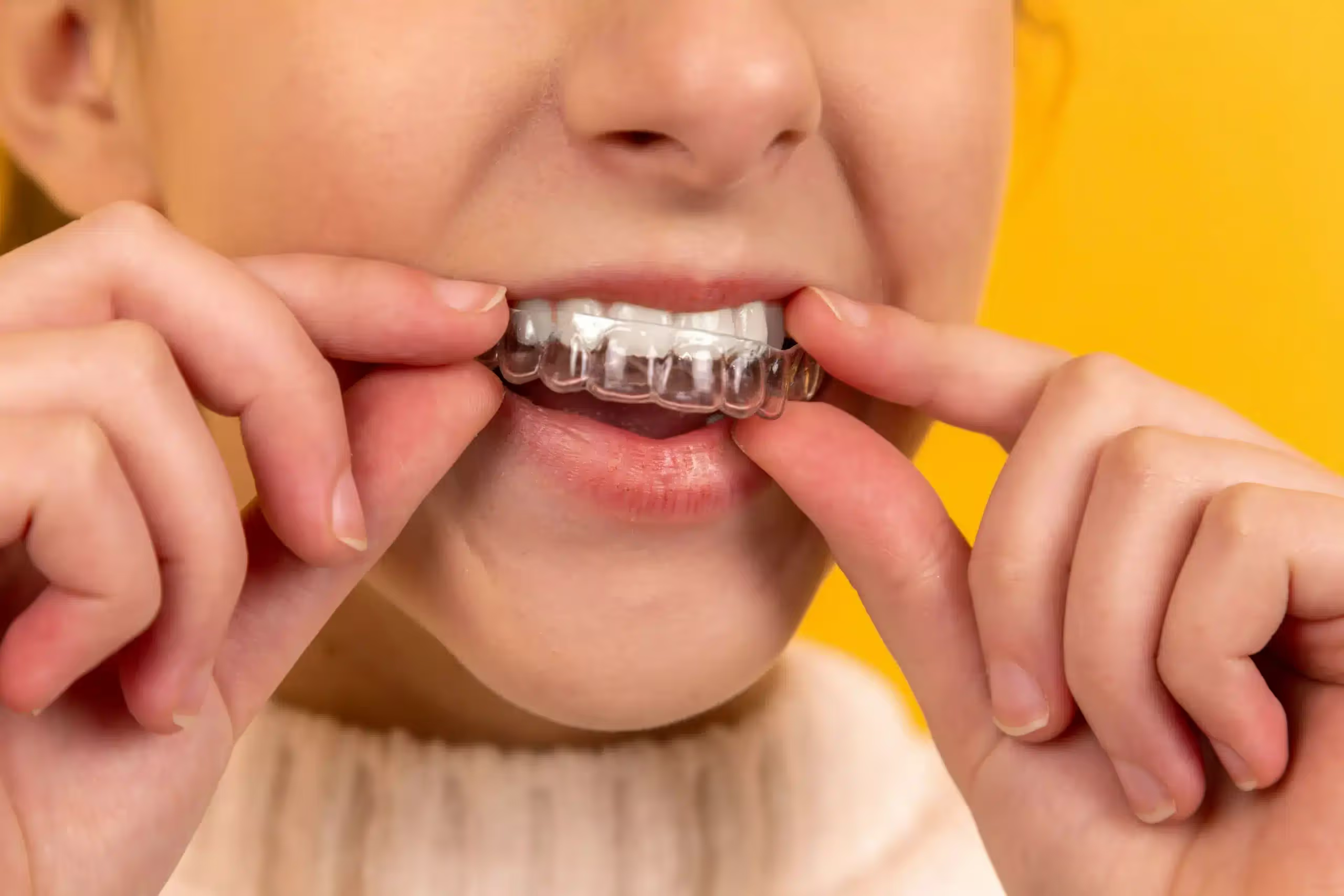
Wear a night guard
Protects teeth from grinding.
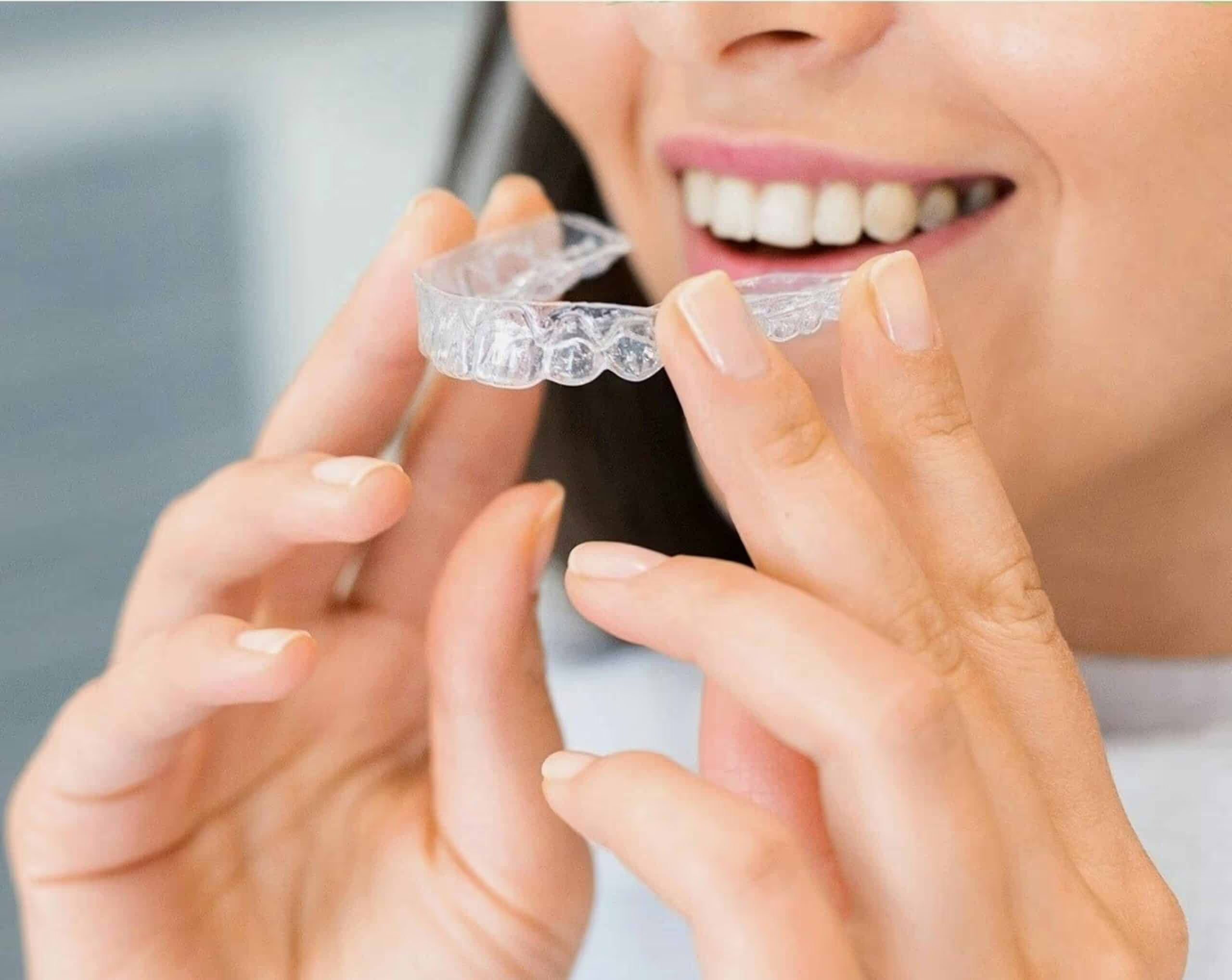
Straighten crowded teeth
Improves gum support and reduces pressure.
When to speak to a dentist
You should seek advice if you notice:
- Sensitivity near the gumline
- Teeth looking longer
- Bleeding gums
- Loose teeth
- Gum swelling
- Pain when brushing
Early treatment helps protect your teeth and gums long term.
How ToothFairy helps
Virtual gum assessments
Upload photos and get guidance from a dentist.
Gum disease support
Dentists explain what is causing your symptoms.
Oral hygiene coaching
Learn the best brushing and flossing techniques.
Emergency dental help
Fast support if recession becomes painful.
Your dental recession questions answered
What causes gum recession
Gum disease, aggressive brushing, genetics and grinding.
Can recession be reversed
Not naturally, but it can be treated.
Is recession painful
It can cause sensitivity.
Do I need a dentist
Yes, especially if symptoms worsen.












.jpg)





.jpg)













.jpg)