

What whitening strips actually do
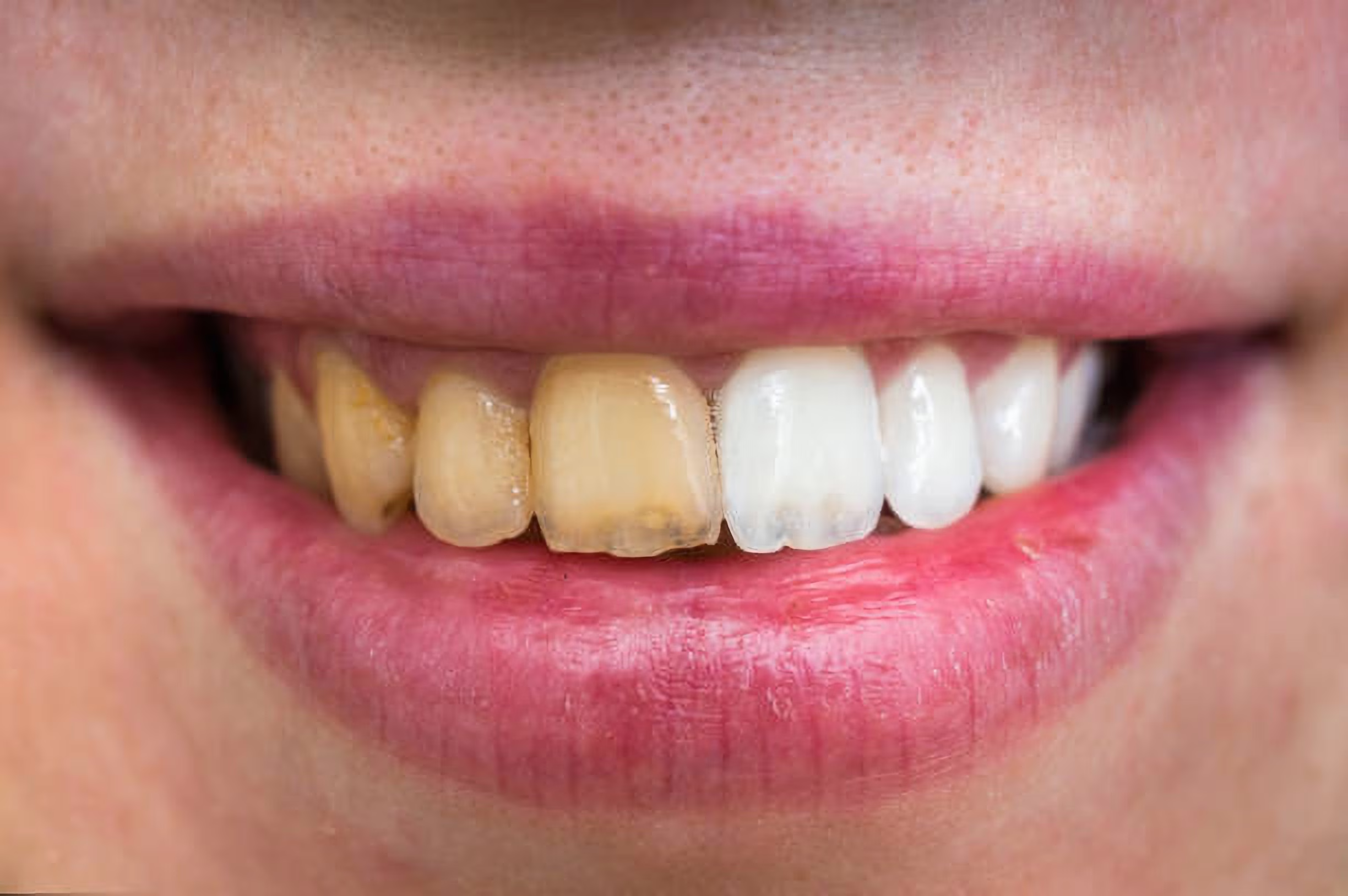
Whitening strips use a thin layer of peroxide gel to lift stains from the surface of your teeth. When applied consistently, they can lighten your teeth by a few shades - especially if your staining is caused by:
- coffee
- tea
- red wine
- smoking
- everyday food pigments
They’re designed for convenience, but they’re not as strong as professional whitening.
How whitening strips work
1. Peroxide breaks down stains
Hydrogen or carbamide peroxide penetrates enamel and dissolves stain molecules.
2. Consistent use builds results
Most strips require daily use for 1–2 weeks.
3. They target surface staining
Deep internal staining may not respond well.
4. They avoid the gums (mostly)
But poor placement can still irritate gum tissue.
Do whitening strips actually work?
Yes - but with limitations.
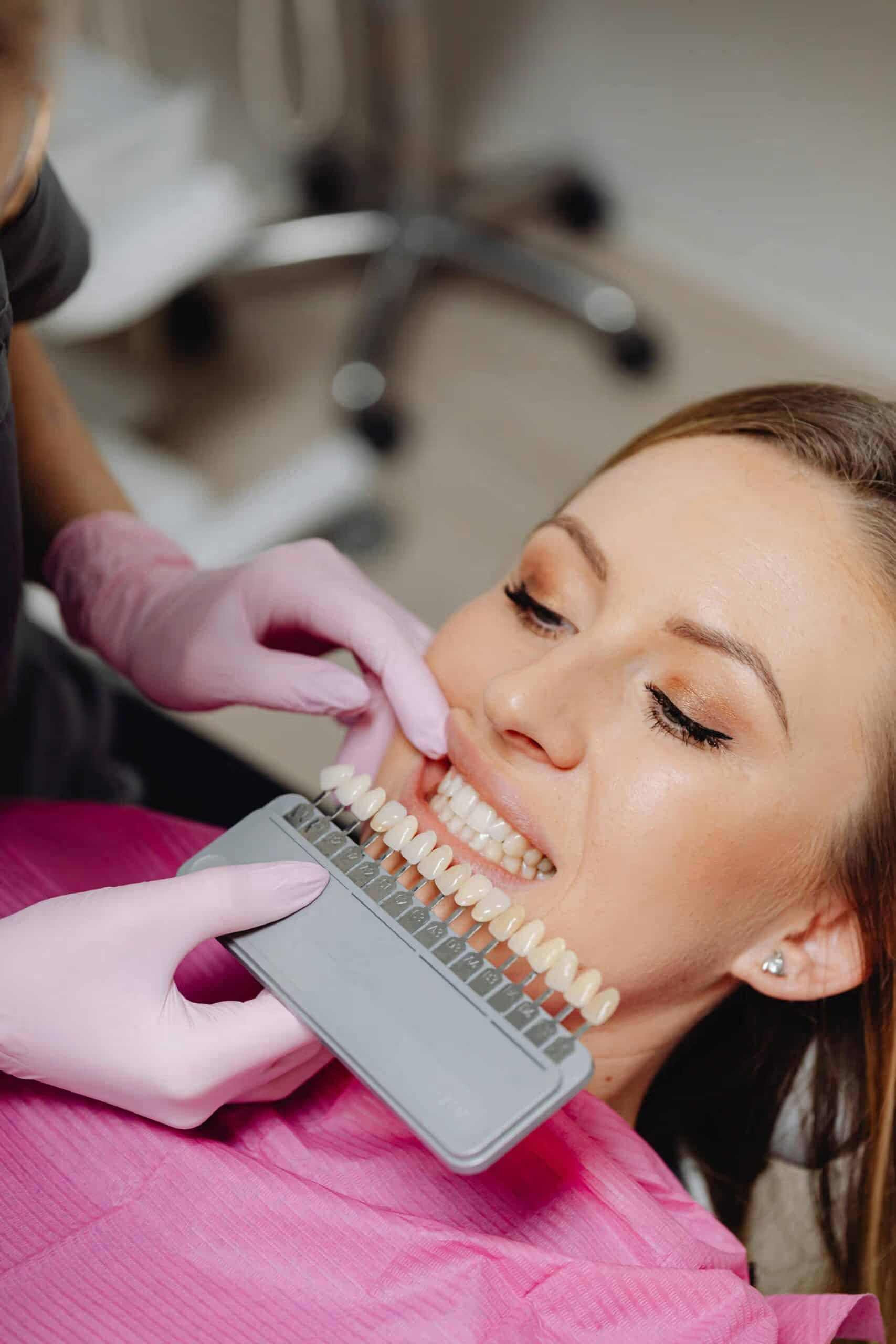
Whitening strips can lighten teeth by 1–3 shades, depending on:
- your starting shade
- stain type
- product strength
- how consistently you use them
They’re ideal for mild to moderate staining, but not for:
- severe discolouration
- tetracycline staining
- fluorosis
- deep internal stains
- uneven tooth colour
For stronger results, professional whitening is more predictable.
Whitening strips: pros and cons
Common myths about whitening strips
Myth 1: Whitening strips damage enamel
Fact: When used correctly, peroxide does not harm enamel.
Myth 2: Whitening strips work instantly
Fact: Most require 7–14 days of consistent use.
Myth 3: Whitening strips whiten crowns or fillings
Fact: They only work on natural teeth.
Myth 4: Stronger strips = better results
Fact: Higher peroxide can increase sensitivity without improving whitening.
Are whitening strips safe?
Yes - when used as directed.
However, you may experience:
- temporary sensitivity
- mild gum irritation
- uneven whitening if strips don’t fully cover teeth
Avoid using strips too frequently, as overuse can irritate enamel and gums.
Who whitening strips work best for
Good candidates
- mild staining
- coffee/tea drinkers
- smokers
- people wanting quick, affordable brightening
Not ideal for
- deep internal stains
- patchy discolouration
- people with gum recession
- people with lots of dental work
How to get the best results from whitening strips
1. Dry your teeth before applying
Helps strips stick better.
2. Avoid eating or drinking for 30 minutes after
Allows peroxide to work properly.
3. Use a sensitivity toothpaste
Helps reduce discomfort.
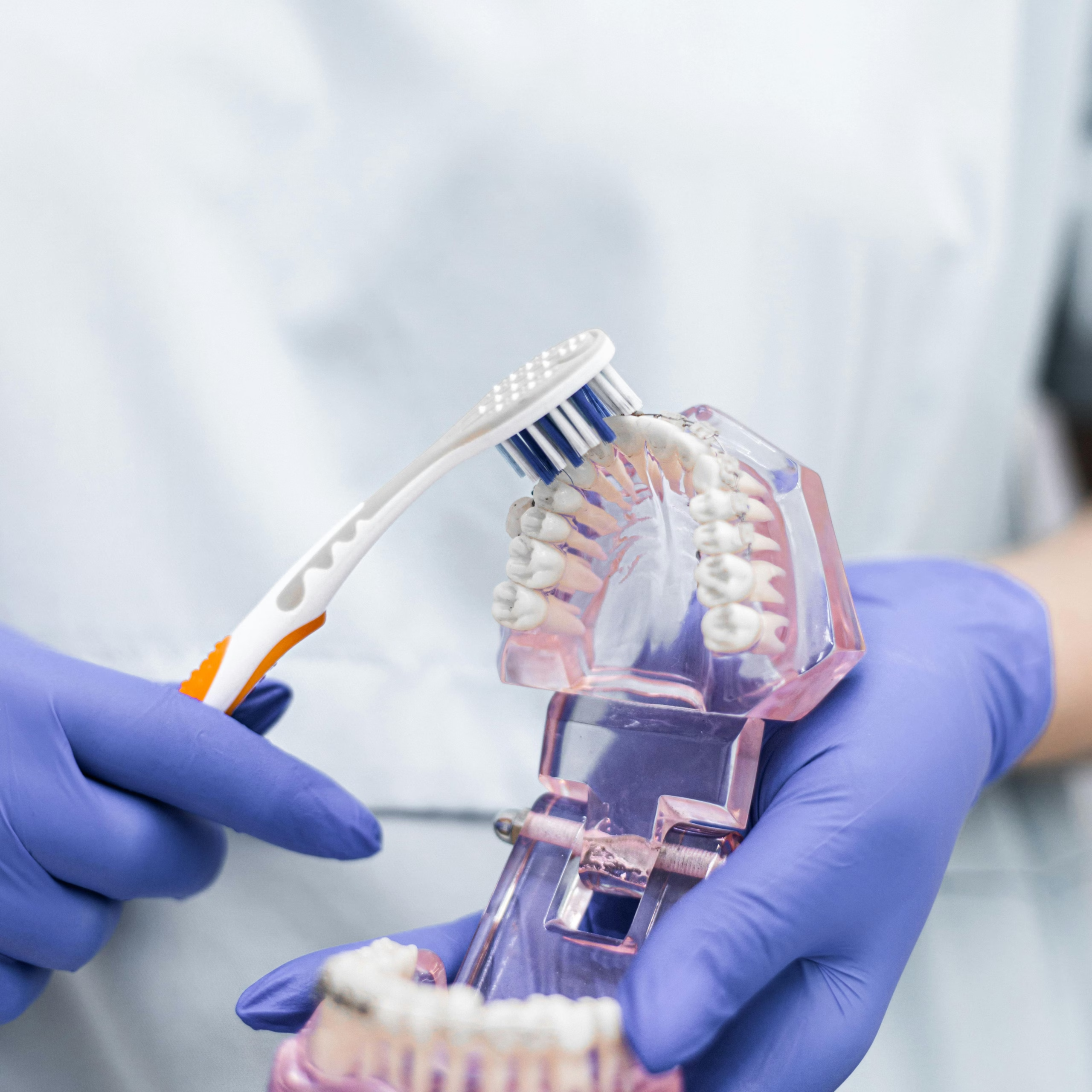
4. Brush gently with the Toothfairy Wand
Its sonic vibrations and Reflex Tech bristles help maintain brightness without damaging enamel.
5. Avoid staining foods during treatment
Coffee, tea and red wine can reduce results.
When to choose professional whitening instead
Professional whitening is better if you want:
- faster results
- deeper whitening
- predictable shade improvement
- treatment supervised by a dentist
It’s also recommended if you have:
- patchy staining
- sensitivity
- gum recession
- previous dental work
How Toothfairy supports whitening
Photo‑based assessments
Upload images to check whether whitening strips will work for your teeth.
Dentist‑led advice
Get personalised guidance on whitening options.
Support for sensitivity
Dentists can recommend safe ways to reduce discomfort.
Clear next steps
Know whether strips, gels or professional whitening are best for you.





.jpg)












.jpg)